$78 Million UniCredit Green Loan Accelerates Italian Public Lighting and Smart City Upgrades
- UniCredit delivers €73 million (about $78 million) green financing certified under Green Loan Principles
- Funding backs organic growth, acquisitions and refinancing as Teike expands public lighting and smart city services
- Project aligns with Italy’s Integrated National Energy and Climate Plan on efficiency, power demand and emissions
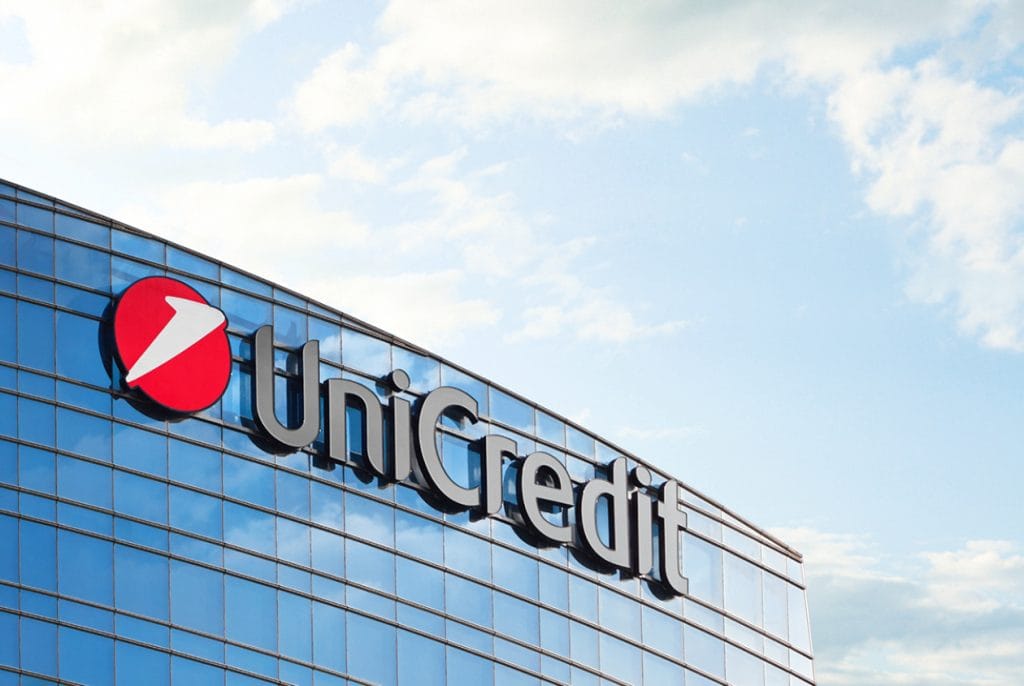
Italy’s public lighting infrastructure is moving into the capital markets era. UniCredit closed a €73 million green project financing for Teike, the country’s third largest independent pure play in public lighting. The deal is intended to accelerate Teike’s expansion plans, support strategic acquisitions and refinance existing debt while advancing municipal energy transition priorities.
Founded in 1950 as Simet Soluzioni Energetiche and now wholly owned by Pioneer Infrastructure Partners, Teike manages roughly 160,000 light points across more than 110 municipalities. Its portfolio spans much of Italy’s industrial and urban geography, including Veneto, Lombardy, Piedmont, Tuscany, Apulia and Abruzzo. The energy service company also provides smart city solutions and is gradually broadening its remit into heating and renewable energy services for local governments.
Green Finance, Public Lighting and State Goals
The loan is certified as green and benefits from a SACE green guarantee, offering risk protection for lenders that target climate aligned municipal infrastructure. Structurally, the transaction uses a green mini perm project financing model split across several credit facilities. Mini perm structures are gaining traction in European infrastructure markets as a bridge between short term bank funding and long term institutional capital.
Teike’s long dated public sector contracts produce inflation linked cash flows that offer visibility to lenders and underpin Pioneer’s responsible investment strategy. Efficient LED retrofits, digital controls and smart asset management remain key levers for reducing municipal power consumption and emissions. Italy’s Integrated National Energy and Climate Plan places efficiency in lighting and buildings at the core of its 2030 targets, positioning local energy service companies as an execution mechanism for state priorities.
The deal’s structure also illustrates how Italian banks are using green loan standards, SACE guarantees and advisory capabilities to channel private capital into infrastructure aligned with sovereign ambitions for lower energy intensity and carbon reductions.
Expansion Platform for Municipal Energy Services
Teike views its platform as a gateway for municipalities seeking to reduce electricity demand and upgrade aging infrastructure. The company aims to add scale through bolton acquisitions and contracting wins, while transitioning its business model toward integrated smart city services and distributed energy solutions.
“This important transaction, successfully finalized thanks to the experience and significant knowhow of our management, represents an innovative project for the public lighting industry, supporting the continued growth of Teike in the Italian public lighting market and contributing to the energy transition through efficient urban infrastructure. This transaction involves a leading Italian bank offering innovative green finance solutions, with the fundamental support of SACE, and confirms Teike team’s ability to accelerate its growth strategy and pursue further expansion opportunities in the public lighting and energy efficiency sectors,” said Alessandro Giussani, CFO at Teike.

For municipalities, the combination of turnkey efficiency upgrades, guaranteed service contracts and predictable payments has become a preferred model for de-risking capital spending. For investors, the model offers asset backed exposures with regulated or quasi regulated characteristics at a time when Europe is attempting to channel private balance sheets into climate aligned capital formation.
RELATED ARTICLE: UniCredit Sets Net Zero Targets for Carbon Intensive Sectors
Banks, Guarantees and the Energy Transition
UniCredit structured and coordinated the transaction as global coordinator and bookrunner, mandated lead arranger, original lender, hedging bank, agent bank, SACE agent, account bank and green loan coordinator. The bank is increasing its use of green frameworks as Europe’s climate investment gap pushes financing institutions toward infrastructure segments that offer both policy alignment and cash flow stability.
“Thanks to this innovative project financing in the Italian public lighting sector, UniCredit confirms its concrete commitment to the transition to a green and sustainable economy. By providing both advisory and cutting edge, innovative financing solutions, we actively support customers like Teike who intend to invest in the energy transformation, contributing to a more responsible energy future, in line with the objectives of European and national programs,” said Francesco Iannella, Regional Manager Northeast at UniCredit.

Why It Matters for C-Suite and Investors
For corporate and financial leaders, public lighting is increasingly seen as an anchor asset for digital city infrastructure. LED retrofits and controls generate immediate energy savings with short paybacks, while lighting poles serve as platforms for sensors, communications, EV charging and other distributed services.
Deals like Teike’s mini perm financing illustrate how Europe’s transition policy is intersecting with bank balance sheets, guarantee programs and infrastructure funds. The structure also speaks to a broader shift in municipal energy provision, where private capital is stepping into roles once reserved for public budgets.
Italy’s municipalities, backed by national energy transition targets and EU frameworks, are likely to remain a fertile market for energy service companies. As syndicated banks and infrastructure investors test green loan structures in public lighting, the model could expand to other municipal efficiency assets, from buildings and heating to renewables integration.
Follow ESG News on LinkedIn