
Eiffel Raises $1.4 Billion For New European Energy Transition Fund
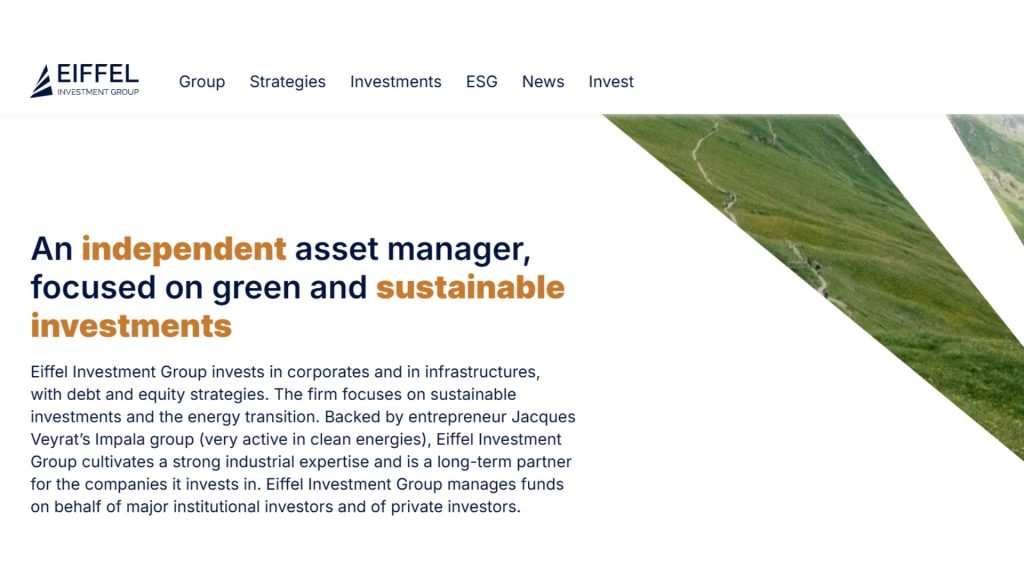
• Eiffel Energy Transition III reaches USD 1.40 billion, targeting up to USD 3 billion in cumulative deployment through recycling capacity.
• More than 30 institutional investors back the fund, reinforcing Europe’s push for energy sovereignty and short-duration green infrastructure financing.
• Eiffel has financed over 5,000 assets across Europe, delivering more than 15 GW of low carbon capacity for nearly 10 million households.
Paris Launches New Surge of Transition Capital
Eiffel Investment Group has closed its latest energy transition debt fund at USD 1.40 billion, drawing strong institutional demand as Europe accelerates new financing channels for low carbon infrastructure. The fund, Eiffel Energy Transition III, surpasses its initial target and reaches its hard cap, reflecting growing pressure on investors to meet rising capital needs for renewable deployment, grid stability, and energy independence across the continent
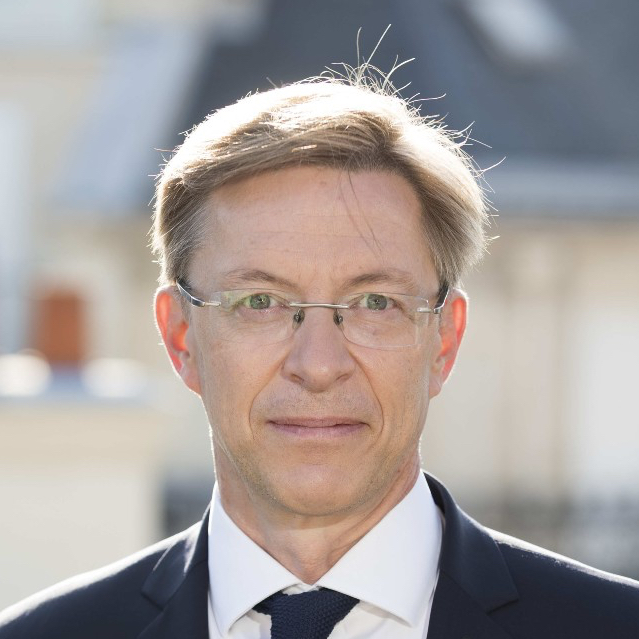
“Eiffel is a key partner for renewable energy developers,” said Fabrice Dumonteil, Chairman of Eiffel Investment Group. The firm positions its strategy as a direct response to a widening structural gap in Europe: the surge in capital requirements for green energy projects compared with the slower expansion of suitable financing sources.

A Debt Strategy Designed for Rapid Deployment
The fund provides short term, flexible debt to renewable assets, with a particular focus on construction financing. The model aims to bridge the period between costly equity and often lengthy long term project finance. Eiffel’s approach has gained traction with developers that need a financial partner capable of accelerating project timelines in markets where permitting and grid delays already pose significant bottlenecks.
Eiffel Investment Group has built this strategy over nearly two decades. Since 2008, the firm has financed more than 5,000 energy transition assets across Europe, spanning solar, wind, biomass, biogas, hydro, cogeneration, and energy efficiency. The portfolio represents a combined low carbon production capacity exceeding 15 GW, equivalent to nearly 10 million households supplied with renewable electricity.
The new fund continues that trajectory. Nearly half of the capital raised comes from reinvestments by institutions that supported the first two vintages. Eiffel interprets this as evidence of investor trust in the structure’s risk profile, returns, and ability to deploy efficiently.
RELATED ARTICLE: Climate Fund Managers Closes $1B Climate Adaptation Fund for Emerging Markets
Investor Confidence Amid a Challenging Policy Landscape
Rising electricity costs have slowed decarbonisation momentum in parts of Europe, particularly in the United Kingdom, where households and businesses have faced affordability concerns. Yet governments remain committed to expanding renewable capacity for energy security and climate goals. Hydrogen, solar, and battery storage continue to receive major public and private backing, creating steady demand for bridge financing models like Eiffel’s.
Institutional investors in the fund cite three characteristics that align with their transition allocation strategies: short duration, collateralised structures, and a predictable return profile. For developers, the appeal lies in the ability to move from permitting to construction without waiting for long tenor financing, which is becoming more complex to secure as interest rates and supply chain costs fluctuate.
Projects Already Underway Across Europe
Eiffel Energy Transition III has already deployed just over one third of its capital and has more than USD 1.63 billion of projects in its pipeline. In 2024 and 2025, Eiffel’s teams reviewed more than USD 7.6 billion of opportunities, reflecting the rapid scale of the sector’s financing needs.
Recent commitments include support for Power Capital Renewable Energy in Ireland, the country’s leading solar developer with a 1.5 GW portfolio. Eiffel refinanced part of the company’s debt and financed new construction within its pipeline. In Germany, Eiffel financed two photovoltaic projects totalling 150 MW developed by Enerparc, contributing to the expansion of the national solar base at a time of accelerating renewable targets.
“Our investment capacity is keeping pace with the rapid increase in financing needs in the green energy sector in Europe. It is growing alongside the developers with whom we have established long-standing, trusted relationships. This enables Eiffel today to support larger-scale projects, higher-impact projects. We are delighted about this,” said Pierre-Antoine Machelon, Head of Infrastructure at Eiffel Investment Group.
What Executives and Investors Should Watch
Eiffel Energy Transition III illustrates a broader shift in European infrastructure finance: the rise of short-term, agile debt vehicles that can unlock bottlenecks in project development. As interest rates remain elevated and long-term project financing grows more selective, funds of this type are becoming essential to delivering national renewable targets.
The total deployment potential of USD 3 billion over eight years highlights how recycling mechanisms can stretch capital and accelerate construction timelines. For investors, these structures offer exposure to the energy transition without multidecade lockups. For policymakers, they provide a pathway to mobilise private capital for energy sovereignty at pace.
Europe’s next decade of climate and competitiveness priorities will depend heavily on financing models that can move quickly. Eiffel’s latest fund shows that institutional appetite for those models remains strong.
Follow ESG News on LinkedIn

The ESG News Editorial Team is comprised of veteran financial journalists and sustainability analysts dedicated to providing real-time, objective reporting on global ESG regulations, climate finance, and corporate governance. Our desk monitors daily developments from the SEC, IFRS, CSRD and international regulatory bodies to ensure our 1M+ readers receive accurate, data-driven insights into the evolving sustainable investment landscape. Follow the ESG News Editorial Team for expert reporting on global sustainability standards, ESG disclosures, and climate policy. Access over 10,000 investigative reports and real-time updates.