ADB Approves $500 Million Loan to Scale Philippines Blue Economy, Climate Resilience
• ADB commits $500 million in policy based financing to strengthen marine ecosystem governance, waste management, and blue economy investment in the Philippines.
• Blue economy sectors already contribute Php1.01 trillion ($17.17 billion) or 3.8 percent of GDP, with growth constrained by climate risk and ecosystem degradation.
• The program aligns national development, adaptation, and climate targets while mobilizing up to €400 million ($470 million) in parallel cofinancing from AFD and KfW.
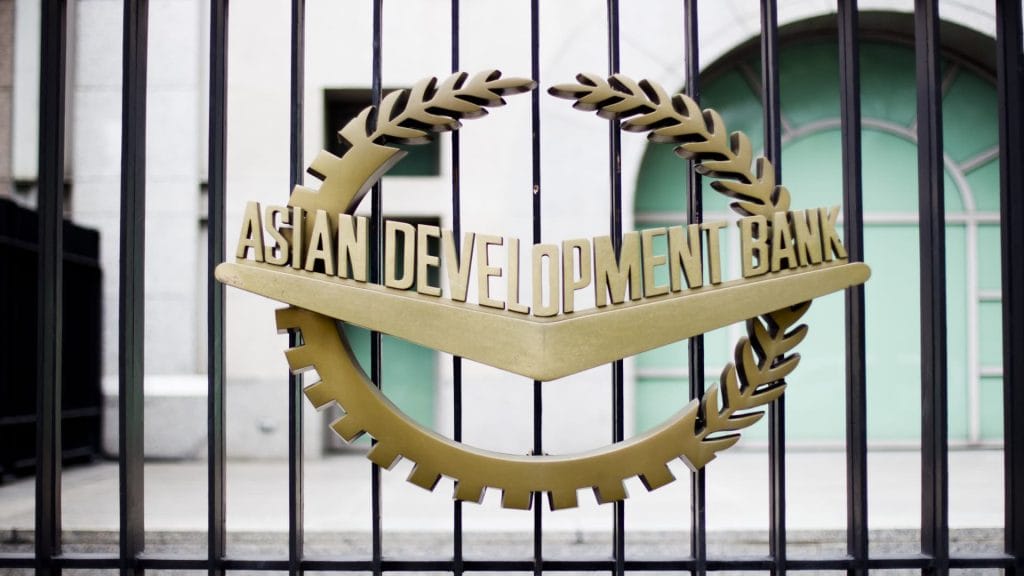
The Asian Development Bank has approved a $500 million policy based loan aimed at reshaping how the Philippines manages its marine ecosystems, coastal economies, and climate risks, placing the country’s blue economy at the center of its long-term development strategy. The financing supports Subprogram 1 of the Marine Ecosystems for Blue Economy Development Program, a cross-sector initiative that links ocean health, climate resilience, and low-carbon growth.
For an archipelagic nation where more than half the population depends directly on marine resources for food and livelihoods, the stakes are structural. The Philippines’ oceans underpin fisheries, tourism, shipping, manufacturing of ocean-based products, and offshore energy. Together, these sectors generated Php1.01 trillion ($17.17 billion) in 2024, equivalent to 3.8 percent of gross domestic product. Yet the same ecosystems face escalating pressure from pollution, overuse, and climate-driven disasters.
A Policy-Based Approach to Ocean Governance
Unlike project specific loans, the ADB facility is designed to drive policy reform across institutions governing marine resources, coastal development, and waste management. The program focuses on strengthening productivity and diversity across ocean-based industries while restoring coastal ecosystems and improving the resilience of communities exposed to climate shocks.
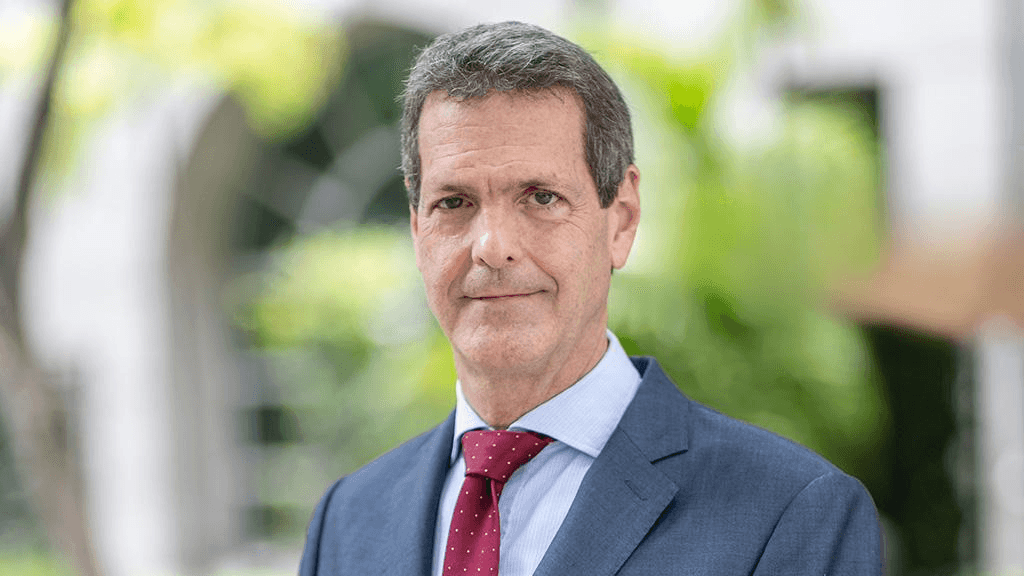
“More than half of the Philippine population is dependent on the country’s oceans and rich marine biodiversity for food and livelihoods, with the blue economy having great potential to be central to attaining inclusive, resilient, and low-carbon development,” said ADB Philippines Country Director Andrew Jeffries. “This is ADB’s first extensive cross-sector program focused on fostering national blue economy development in the region. We are committed to assisting our host country in achieving its climate resilience and low-carbon objectives.”
A central pillar of the program is the integration of plastic and solid waste management into the broader value chain of the blue economy. Marine pollution has become both an environmental and economic constraint, undermining tourism, fisheries, and coastal health. By targeting waste systems alongside ecosystem restoration, the program seeks to unlock investment in the Philippines’ natural capital rather than treating conservation as a cost center.
Climate Risk as an Economic Constraint
Climate exposure remains a defining challenge. As the world’s second-largest archipelagic nation, the Philippines is struck by at least 20 typhoons each year. Cyclones have intensified, increasing losses from flooding and storm surges. In November alone, two major typhoons hit within a single week, causing hundreds of casualties and millions of dollars in damage.
These risks are no longer episodic. They are embedded in fiscal planning, infrastructure resilience, and sovereign risk assessments. By linking blue economy development to adaptation and disaster resilience, the ADB program positions marine ecosystems as protective assets rather than vulnerable backdrops.
RELATED ARTICLE: EMA and Asian Development Bank Partner to Promote Clean Energy
Alignment With National and Global Climate Frameworks
The loan is aligned with the Philippine Development Plan 2023 to 2028 and directly supports implementation of the National Adaptation Plan 2023 to 2050 and the country’s nationally determined contribution. Policy reforms under the program emphasize nature-based solutions, climate-resilient livelihoods, and the protection of blue carbon ecosystems, areas increasingly scrutinized by global investors and climate finance institutions.
The initiative builds on ADB’s long-standing engagement in natural resource management across the Philippines and Southeast Asia, including prior support for watershed management, coastal community development, and marine plastic pollution reduction. It also complements the bank’s Climate Change Action Program, its first climate-focused policy-based loan in the region.
Mobilizing Capital and Regional Significance
Cofinancing will play a critical role. Agence Française de Développement and Germany’s KfW Development Bank are each expected to provide up to €200 million, or roughly $235 million, for Subprogram 1. This blended public finance structure reinforces the program’s credibility while signaling policy stability to private capital seeking exposure to sustainable ocean-based sectors.
The program also complements the Philippines Flyway Project, which focuses on conserving and managing priority wetlands in Luzon and Mindanao to enhance biodiversity, support livelihoods, and improve climate resilience.
For regional policymakers and global investors, the transaction illustrates how blue economy strategies are shifting from fragmented conservation efforts toward integrated economic policy. In a climate-vulnerable, ocean-dependent economy, marine ecosystems are no longer peripheral. They are becoming central to growth, fiscal stability, and climate resilience across Southeast Asia.
Follow ESG News on LinkedIn

The ESG News Editorial Team is comprised of veteran financial journalists and sustainability analysts dedicated to providing real-time, objective reporting on global ESG regulations, climate finance, and corporate governance. Our desk monitors daily developments from the SEC, IFRS, CSRD and international regulatory bodies to ensure our 1M+ readers receive accurate, data-driven insights into the evolving sustainable investment landscape. Follow the ESG News Editorial Team for expert reporting on global sustainability standards, ESG disclosures, and climate policy. Access over 10,000 investigative reports and real-time updates.