
Morrisons Secures SBTi Approval for 2050 Net Zero Target Covering Full Value Chain
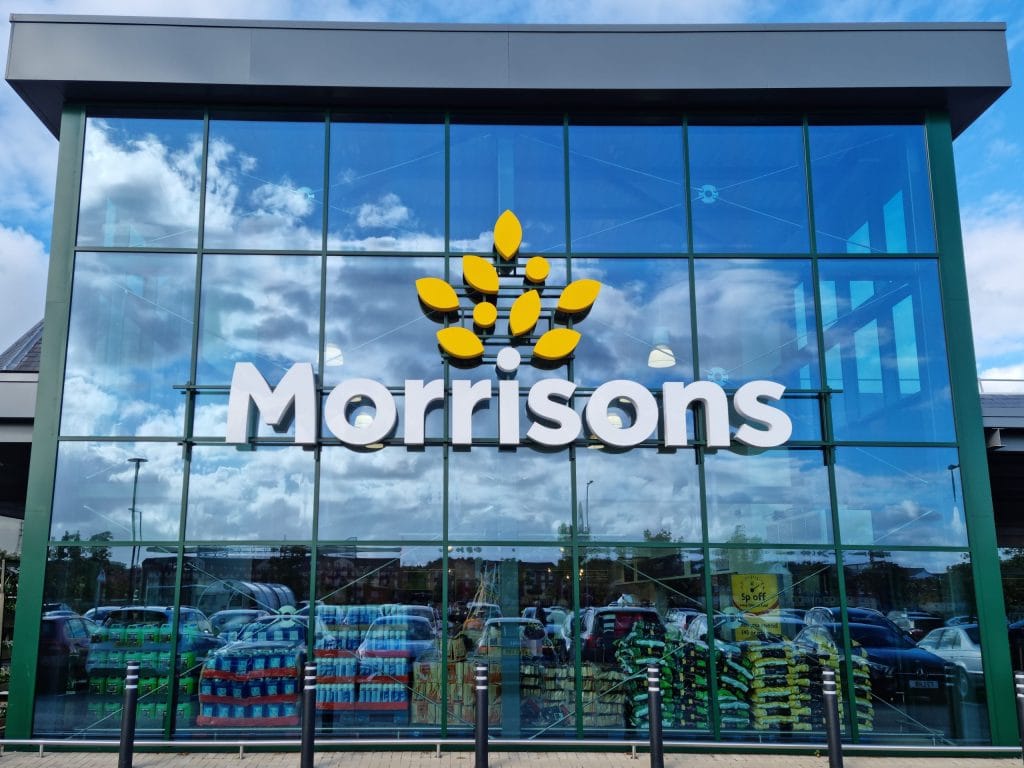
- UK grocer commits to net zero greenhouse gas emissions across its entire value chain by 2050, including agriculture and land use.
- New SBTi-validated targets include an 80% cut in Scope 1 and 2 emissions by 2035 and deep reductions across Scope 3 and FLAG emissions.
- The company reports a 22% reduction in total carbon emissions since 2019, driven by operational, logistics, and supplier-focused actions.
Morrisons has tightened its climate strategy, securing Science Based Targets initiative validation for a new set of near and long term emissions targets that extend its net zero ambition across its full value chain, including agriculture and land use. The move places one of the UK’s largest supermarket chains more firmly within the Paris Agreement’s 1.5°C-aligned pathway at a time when food retailers face mounting scrutiny over Scope 3 emissions and deforestation-linked supply chains.
The newly approved targets commit Morrisons to achieving net zero greenhouse gas emissions by 2050 across Scopes 1, 2, and 3, as well as Forest, Land and Agriculture emissions. The company will cut Scope 1 and 2 emissions by 80% by 2035 and 90% by 2050, while targeting a 40% reduction in Scope 3 energy and industrial emissions and a 48.5% reduction in Scope 3 FLAG emissions by 2035. By 2050, Morrisons aims to reduce Scope 3 and FLAG emissions by 90% and 72% respectively, using a 2019 baseline.
Expanding the Net Zero Boundary
For Morrisons, the expansion of its targets reflects the structure of its emissions profile. Approximately 98% of its emissions sit in Scope 3, largely driven by agricultural production, food processing, logistics, and end-of-life impacts. The inclusion of FLAG targets brings land use and deforestation risks into sharper focus, an area of growing regulatory and investor attention across Europe.
The Science Based Targets initiative, a partnership between CDP, the United Nations Global Compact, the World Resources Institute and WWF, independently assesses corporate targets against climate science. Its approval signals that Morrisons’ pathway meets current best practice for ambition and coverage under the 1.5°C framework.
Progress Since 2019
Morrisons’ strengthened commitments build on progress already reported. Since 2019, the company has achieved a 22% reduction in total carbon emissions, including a 27% cut in Scope 1 and 2 emissions. The reductions have been driven by operational changes, energy efficiency investments, lower-carbon logistics, and closer engagement with suppliers.
These efforts reflect a broader shift among food retailers toward embedding climate considerations into core operational decisions, from refrigeration and transport to supplier sourcing and product design. However, scaling reductions across agricultural supply chains remains one of the sector’s most complex challenges.
RELATED ARTICLE: ING First Global Bank to Get SBTi Approval for 1.5°C-Aligned Financed Emissions Targets
Collaboration as a Delivery Mechanism
The company has emphasised that delivery will depend on collaboration across its value chain. Morrisons plans to continue working with industry groups, suppliers, and partners to support changes in farming practices, energy use, and land management.
Andrew Edlin, Head of Sustainability at Morrisons, said: “The validation of these targets reaffirms Morrisons commitment to sustainability and the move to a 2050 target across the full value chain is a big step forward in our journey to net zero. We are taking upstream and downstream emissions of our operations into account including emissions created in making products, in our stores, transport systems and then end of life emissions too. Additional targets for forest, land and agriculture emissions reflect the importance of land-use and agricultural impacts across the business. Independent approval gives us a clear roadmap to achieve meaningful, measurable reductions. We also recognise that industry-wide collaboration will be essential in achieving these goals and we are committed to working in partnership to deliver them.”

What Executives and Investors Should Watch
For C-suite leaders and investors, Morrisons’ updated targets illustrate how climate governance in food retail is evolving beyond operational efficiency into deeper engagement with agricultural systems and land use. The focus on FLAG emissions and deforestation-free supply chains aligns with tightening EU and UK regulatory expectations, as well as investor pressure on nature-related risks.
The credibility of the strategy will now hinge on execution, particularly supplier engagement and interim delivery toward the 2035 milestones. As climate frameworks increasingly converge around value chain accountability, Morrisons’ approach offers a case study in how retailers are attempting to translate science-based ambition into operational reality at scale.
Follow ESG News on LinkedIn

The ESG News Editorial Team is comprised of veteran financial journalists and sustainability analysts dedicated to providing real-time, objective reporting on global ESG regulations, climate finance, and corporate governance. Our desk monitors daily developments from the SEC, IFRS, CSRD and international regulatory bodies to ensure our 1M+ readers receive accurate, data-driven insights into the evolving sustainable investment landscape. Follow the ESG News Editorial Team for expert reporting on global sustainability standards, ESG disclosures, and climate policy. Access over 10,000 investigative reports and real-time updates.