
Grassroots Carbon Reaches 1.9 Million Tons of Verified Soil Removals for Net Zero Demand

• First U.S. soil carbon firm to deliver 1.9 million tons of verified removals, with more than 1.5 million tons already retired by corporate buyers
• $40 million paid directly to ranchers since 2022 to incentivize land stewardship and measurable climate impact
• Model positions America’s 655 million acres of grasslands as a scalable natural carbon sink with biodiversity and water benefits
A soil-based climate initiative backed by regenerative ranching is gaining corporate momentum as Grassroots Carbon became the first U.S. company to deliver 1.9 million tons of verified carbon removals. The Texas-based firm also disclosed that more than 1.5 million tons have already been retired by corporate buyers, including global food and technology companies managing operational emissions.
The milestone places Grassroots Carbon at the forefront of an increasingly material segment of the voluntary carbon market: nature-based removals tied to working lands. It also demonstrates early willingness from buyers such as Nestlé and Microsoft to contract for high-integrity removals linked to soil health, biodiversity, and water outcomes rather than generic offsets.
Regenerative Ranching Meets Carbon Finance
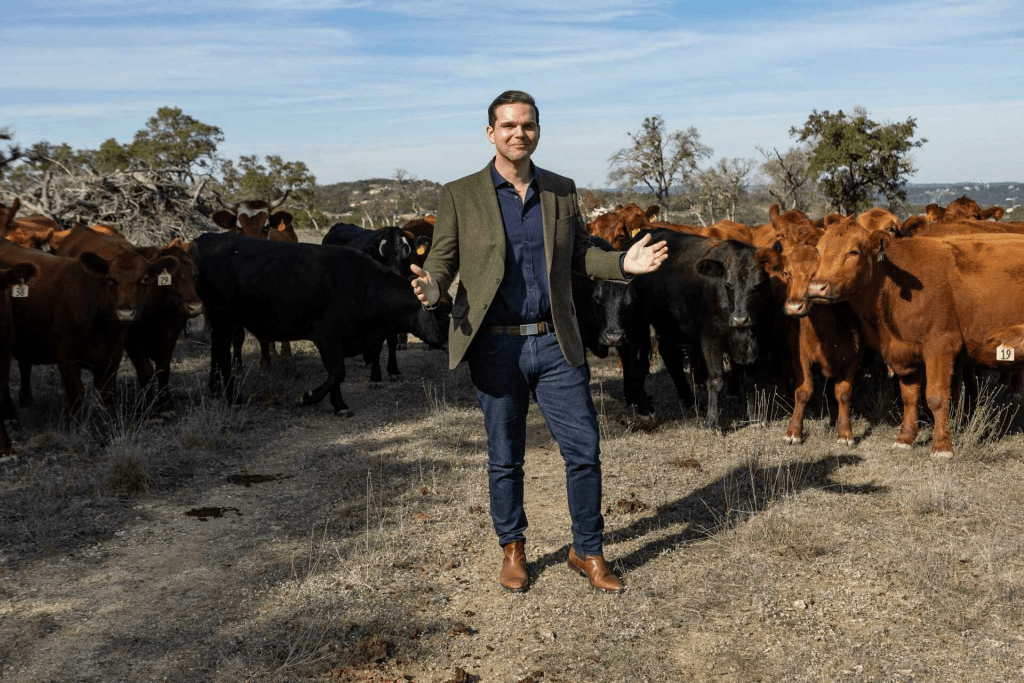
Grassroots Carbon was founded in 2021 to measure, verify, and compensate ranchers for increasing soil carbon through regenerative grazing and land management practices. Within a year, it issued the United States’ first verified soil carbon payments and has since expanded to 2 million acres across 22 states.
Since 2022 the company has paid $40 million directly to ranchers for verified carbon sequestration and provided $10 million in advance payments to support program adoption with no upfront cost to landowners. Its approach pairs financial incentives with technical support to reduce barriers for participation and ensure consistency across dispersed working lands.
“This industry-defining milestone marks a turning point for nature-based carbon solutions, proving that soil health, rancher prosperity, and measurable climate impact can grow from the same ground,” said Brad Tipper, CEO of Grassroots Carbon. “Ranchers have cared for America’s grasslands for generations, and today they’re restoring soil health, increasing productivity, and improving the profitability of regenerative ranching. We are growing at the speed of trust by honoring the heritage of American ranching and proving that regenerative practices can be the most profitable form of ranching. When you align climate goals with the people who know the land best, you not only create high-quality carbon outcomes but also long-term resilience across America’s working lands for generations to come.”
Verification, Measurement, and Permanence
Soil carbon projects have historically struggled with verification, permanence, and claims integrity. Grassroots Carbon’s model emphasizes deep soil sampling and scientific measurement rather than inferred modeling.
“Our collaboration with Grassroots Carbon shows what rigorous science and trusted partnerships can deliver for the future of carbon and climate accounting,” said Lars Dyrud, CEO of EarthOptics. “Working together across more than a million acres, we’ve measured 1-meter-deep soil cores that set a new standard for rigor and permanence in the industry. Grassroots Carbon goes deeper than the conventional 30 centimeters, where more than half of soil organic carbon resides, ensuring greater permanence and long-term reliability of results. From each sample, we also extract far more insight: DNA-based microbial testing for biofertility and biodiversity, and sensor data that map soil variability with precision.”

The company holds the largest privately collected soil carbon dataset in the United States, providing a data infrastructure that could become material for carbon credit standard setters and corporates evaluating removals portfolios. Third-party verification remains central to buyer confidence and future contract scaling.
Beyond Carbon: Soil, Water, Biodiversity, and Rural Economies
Although buyers purchase credits for emissions accounting, regenerative ranching generates wider benefits that align with ESG considerations for food systems, biodiversity, and rural economic resilience.
“Grassroots Carbon assembles some of the brightest minds in regenerative agriculture to support ranchers like us on our journey to implement and scale these practices,” said Taylor Collins, land steward of Roam Ranch and Co-Founder of Force of Nature. “Their partnership gives producers access to the science, tools, and financial incentives to restore grasslands in a way that’s both profitable and regenerative. It’s been transformative for our land and our community.”

Dr. Allen Williams, sixth-generation farmer and Founder of Understanding Ag, added that regenerative grazing carries consequences beyond emissions. “What happens on the land doesn’t only impact ranchers; it has a profound impact across the globe on biodiversity, soil health, carbon capture, and even the quality of our food. It impacts everybody, and we all benefit from it.”

RELATED ARTICLE: Microsoft Signs Carbon Removal Deal with Nature-Based Startup Grassroots Carbon
Participating ranches report as much as 30 times higher water infiltration rates compared to degraded land, improving drought resilience and restoring grassland function. Water and biodiversity gains are emerging as investment and policy priorities within nature-based climate solutions.
“Grassroots Carbon is empowering ranching families to build resilience for the future,” said Chad Ellis, CEO of the Texas Agriculture Land Trust. “They work hand-in-hand with ranchers, providing the tools, data, and financial support that make regenerative ranching both practical and profitable. It’s a model that’s strengthening rural communities while contributing to a healthier planet.”

Implications for Buyers and the Voluntary Market
For corporate climate executives and investors, the development points to a gradual diversification of the carbon removal landscape beyond engineered CDR solutions. Demand from food and technology companies suggests a recognition that net zero pathways require both removals and upstream supply chain interventions tied to land management. Companies also view nature-based removals as aligned with biodiversity goals and agricultural transition strategies.
The addressable potential is substantial. America’s 655 million acres of grasslands could store up to one billion tons of CO₂ equivalent annually if managed regeneratively. Unlocking that capacity depends on financing mechanisms, long-term contractual visibility, and performance-based verification standards that sustain trust among buyers, regulators, and landowners.
A U.S. Case Study with Global Relevance
The surge in regenerative ranching illustrates how carbon finance can activate underutilized land stewardship capabilities at scale. It also demonstrates that rural livelihoods and natural capital restoration can participate in climate markets when monitoring, reporting, and verification standards are robust.
As scrutiny increases over environmental integrity and permanence in carbon markets, projects that combine measurable removals, verifiable co-benefits, and economic incentives for land stewards are likely to attract both investors and institutional buyers. Grassroots Carbon’s milestone offers a template for how working lands can contribute to climate mitigation while advancing biodiversity and food system resilience, themes that are gaining relevance across national climate strategies and corporate net zero plans worldwide.
Follow ESG News on LinkedIn

The ESG News Editorial Team is comprised of veteran financial journalists and sustainability analysts dedicated to providing real-time, objective reporting on global ESG regulations, climate finance, and corporate governance. Our desk monitors daily developments from the SEC, IFRS, CSRD and international regulatory bodies to ensure our 1M+ readers receive accurate, data-driven insights into the evolving sustainable investment landscape. Follow the ESG News Editorial Team for expert reporting on global sustainability standards, ESG disclosures, and climate policy. Access over 10,000 investigative reports and real-time updates.