Abu Dhabi Awards Sustainability Labels to Private Sector Leaders at ADSW 2026
- Private sector companies in Abu Dhabi recognised for sustainability performance and institutional readiness through a formal label system
- Programme links ESG disclosure and operational maturity with competitiveness, credibility, and market access
- Initiative aligns with UAE economic diversification, investment attraction goals, and sustainable development priorities
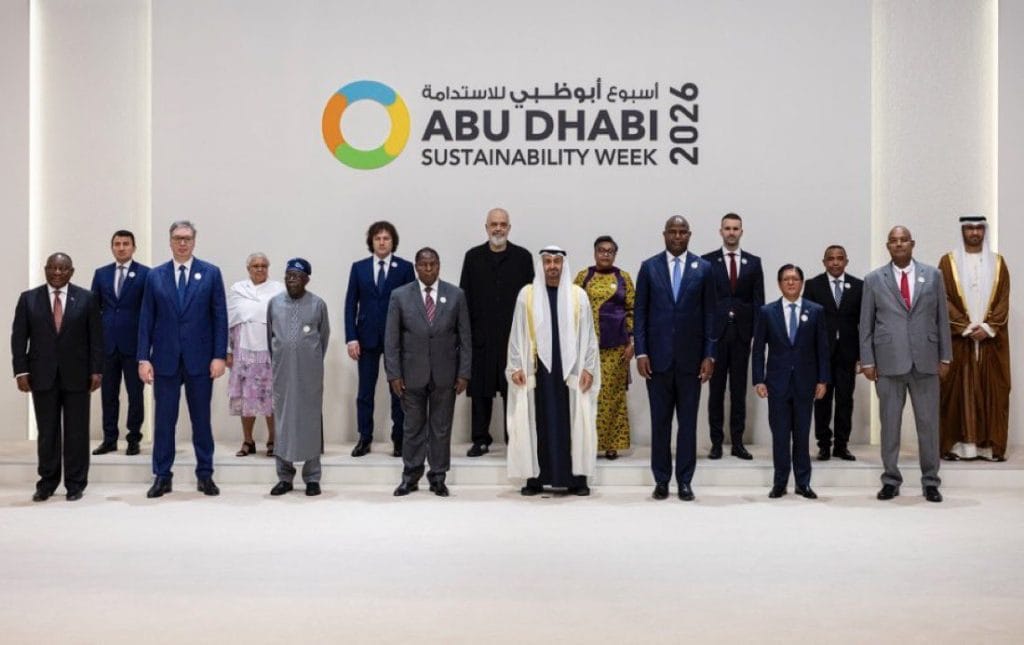
The Abu Dhabi Chamber of Commerce and Industry honoured private sector companies awarded its Sustainability Label during Abu Dhabi Sustainability Week 2026, reinforcing the emirate’s effort to anchor ESG performance in business competitiveness and institutional value creation. Executives described the recognition as both a reputational boost and a catalyst for operational reform as corporate actors move from voluntary sustainability practices to structured governance, resource efficiency, and disclosure frameworks.
Linking Sustainability to Growth and Competitiveness
The Sustainability Label Programme was launched by the Abu Dhabi Chamber to accelerate the adoption of environmental, social, and governance standards across the business community. It combines readiness assessments, capacity building and institutional classification to help firms diagnose maturity gaps, strengthen credibility and prepare for integration into global markets that increasingly demand transparent ESG performance.
The Chamber said the programme aims to support private sector resilience and competitiveness within a changing global economy. It views sustainability as a determinant of operational efficiency, risk management and long-term value rather than a discretionary branding exercise. The initiative also aligns with the UAE’s national priorities for sustainable economic development and its drive to attract investment into diversified sectors.
His Excellency Shamis Ali Khalfan Al Dhaheri, Second Vice Chairman and Managing Director of the Abu Dhabi Chamber, said the programme reflects a shift in how competitiveness is defined in the region. “The Abu Dhabi Chamber believes that sustainability has become a fundamental pillar for building a competitive economy capable of keeping pace with future transformations. Honouring companies that have received the Sustainability Label reflects the Chamber’s commitment to supporting the private sector and encouraging companies to adopt responsible practices that strengthen institutional readiness, enhance operational efficiency and support sustainable growth.”

From Voluntary Practice to Institutional Performance
Officials noted that the range of recognised companies illustrates how ESG adoption has expanded across Abu Dhabi’s economic landscape. The Chamber characterised the programme as part of its role as a strategic partner to the private sector, helping companies navigate global economic shifts and build business models that meet evolving regulatory and market demands.
Classification under the programme spans four tiers. The Diamond category included Emirates Driving Company, Emirates Steel and Aldar Properties. The Gold category recognised Union Iron and Steel Factory, National Marine Dredging Company and its subsidiary NMDC Energy, Weatherford and Trojan Construction Group. The Silver category included Al Mazrouei Group through Al Turath Engineering Consultants and Best Pick General Trading. The Bronze category included Emirates Link Contracting Company and Lead Development. Classifications were awarded according to the programme’s approved assessment criteria and the level of institutional readiness demonstrated across sustainability dimensions.
RELATED ARTICLE: ADSW 2026 Opens With Call for Energy Security, AI Infrastructure and Long Term Capital
His Excellency Ali Mohamed Al Marzooqi, Director General of the Abu Dhabi Chamber of Commerce and Industry, said the global nature of Abu Dhabi Sustainability Week provided a fitting context for the recognition. “Abu Dhabi Sustainability Week serves as a global platform that brings together leaders and expertise from across sectors. This recognition underscores the pivotal role played by companies in achieving sustainable economic development objectives and in strengthening integration between economic performance and environmental and social responsibility.”
Corporate Reflections on Transformation and Market Positioning
Representatives of the honoured companies described the Sustainability Label as a milestone in their organisational development. They said the programme helped reshape operating models and embed more efficient and responsible practices into day-to-day processes. According to participants, the framework provided practical tools for productivity gains, resource efficiency and waste reduction, while clarifying risk management through stronger governance.
Executives also highlighted commercial implications. They said the label enhances corporate credibility in the market, improves positioning among partners, clients and investors, and opens new opportunities by aligning practices with global supply chain requirements. Participants noted that the programme supports better decision making at management level, prepares companies for future regulatory evolution and fosters a culture of innovation and responsibility that supports balanced long-term growth.
Regional and Global Significance
For policymakers, the Chamber’s initiative reflects a broader shift in Gulf economies as sustainability becomes intertwined with investment promotion, industrial competitiveness and market access. Linking ESG maturity with institutional performance and classification moves the conversation beyond voluntary reporting into operational governance and risk management. It also aligns with international investor expectations as financial institutions, procurement systems and trade partners weigh sustainability metrics in pricing and sourcing decisions.
Abu Dhabi’s approach adds to a growing set of regional frameworks that seek to integrate sustainability into economic diversification strategies. As governments and regulators intensify climate disclosure requirements and capital markets price transition risks, structured programmes that improve corporate readiness may determine how quickly regional firms integrate into global value chains.
Follow ESG News on LinkedIn