Trump Seeks $1 Billion for Permanent Seats on International Board of Peace
• United States proposes new international governance body to oversee Gaza reconstruction and ceasefire enforcement
• Permanent Board of Peace seats priced at $1 billion, raising geopolitical and diplomatic questions over pay-to-govern structures
• Governance model gives U.S. chair power to invite members and retain final approval, with mandate focused on rebuilding Gaza
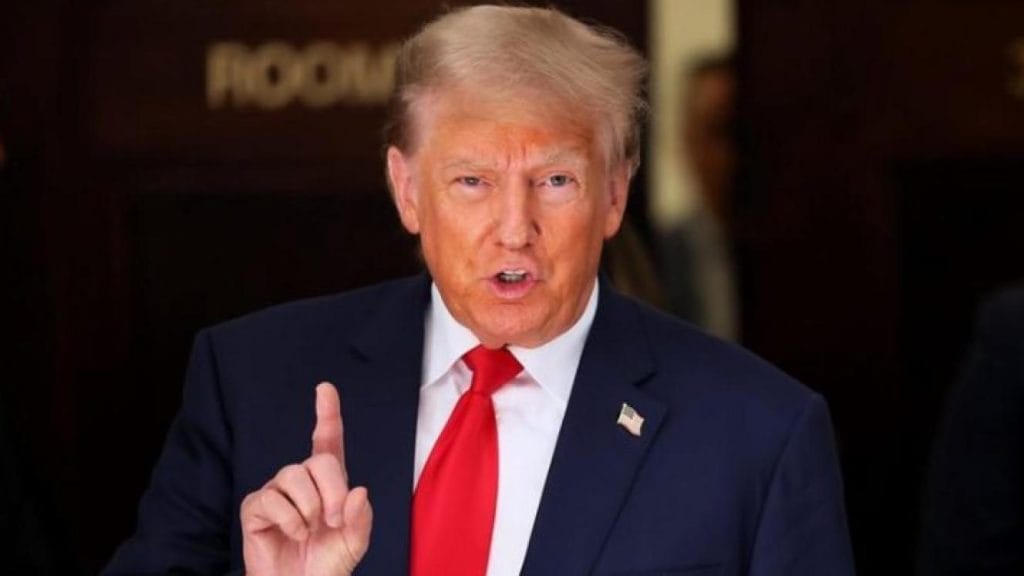
President Donald Trump has invited a widening circle of global leaders to join a new international body called the Board of Peace, an entity endorsed by the United Nations Security Council to oversee the Israel Hamas ceasefire and assist in Gaza reconstruction. According to a draft charter seen by Bloomberg, participating nations may secure permanent seats on the board by contributing $1 billion in cash during the first year of operation. The charter also names Trump as inaugural chairman, with authority to invite members and hold final decision making power over majority votes.
Financing and Governance Structure
The draft reviewed by media outlets outlines a three year term for standard board members and a one time provision that allows countries to buy permanent membership. A U.S. official told CNBC that joining the board carries no initial fee, but the $1 billion contribution would guarantee permanence. The same official said the body is designed to focus on rebuilding Gaza and claimed that virtually every dollar raised will support that mandate. “The group will operate without exorbitant salaries and massive administrative bloat,” the official said.
Questions remain about how funds would be managed, which banking structures would hold contributions, and how financial oversight and auditing would be implemented. The model differs from multilateral norms at the World Bank, IMF, and UN agencies where weighted voting and capital contributions exist, but without explicit pay to govern pathways.
Invitations, Participation, and Global Politics
The U.S. has signaled that invitations are being delivered directly from Trump to foreign leaders. Bloomberg reported that Canadian Prime Minister Mark Carney and Argentine President Javier Milei were asked to join the Board of Peace for Gaza, a regional working arm situated under the broader Board of Peace umbrella.
AP News reported confirmations from Hungary, India, Jordan, Greece, Cyprus, and Pakistan. Earlier invitations were extended to Turkey, Egypt, Paraguay, and Albania, with a full list expected from Washington in the coming days. Kremlin officials said Russian President Vladimir Putin was also invited.
The political nature of the governance proposal has triggered debate in European and Middle Eastern diplomatic circles over whether the board could evolve into a U.S. led alternative to the UN system or whether it will remain narrowly focused on Gaza reconstruction and ceasefire management.
Executive Board and Operational Roles
Alongside membership outreach, the White House announced the creation of a founding executive board to “oversee a defined portfolio critical to Gaza’s stabilization and long term success.” Appointees include U.S. Secretary of State Marco Rubio, U.S. special envoy Steve Witkoff, Jared Kushner, former UK Prime Minister Tony Blair, Apollo Global Management CEO Marc Rowan, World Bank President Ajay Banga, and U.S. deputy national security advisor Robert Gabriel.
The combination of political, diplomatic, and private sector figures suggests a hybrid governance strategy that draws on capital markets, reconstruction financing, and peace process diplomacy. The inclusion of Banga signals a potential coordination channel with multilateral development banks and blended finance instruments, although no frameworks have been disclosed.
RELATED ARTICLE: American Petroleum Institute Presents New Policy Roadmap to Trump Administration
Implications for C Suite, Investors, and ESG Stakeholders
Reconstruction financing in Gaza is expected to require a long horizon capital commitment, rapid infrastructure procurement, and extensive coordination with regional governments. Investors following ESG, reconstruction, and public private partnership markets will be focused on contract structures, risk sharing models, and environmental and humanitarian safeguards.
For policymakers and multilateral institutions, the $1 billion permanent seat model raises questions about governance legitimacy, transparency, and the precedent of capital-based representation in peace and reconstruction bodies. For global markets, the proposal may create new channels for U.S. influence within a UN endorsed structure that is nevertheless controlled by the chair.
The Global Outlook
Diplomats say the board’s success will hinge on whether Washington builds broad consensus on Gaza reconstruction or pursues a narrower bilateral model with select partners. The outcome will shape how future reconstruction mandates are financed and governed and how global powers coordinate in high intensity conflict zones. The Board of Peace concept adds a new actor into the global peace architecture at a time of strain on multilateral institutions.
If executed, the initiative could reorient how states blend humanitarian goals with geopolitical interests. It could also test whether capitalized governance can coexist with legitimacy norms that underpin the current UN system. The full member list and financing details are expected to clarify whether this is a one off reconstruction body or an emerging template for future conflict resolution structures.
Follow ESG News on LinkedIn

The ESG News Editorial Team is comprised of veteran financial journalists and sustainability analysts dedicated to providing real-time, objective reporting on global ESG regulations, climate finance, and corporate governance. Our desk monitors daily developments from the SEC, IFRS, CSRD and international regulatory bodies to ensure our 1M+ readers receive accurate, data-driven insights into the evolving sustainable investment landscape. Follow the ESG News Editorial Team for expert reporting on global sustainability standards, ESG disclosures, and climate policy. Access over 10,000 investigative reports and real-time updates.