Masdar, EUDC Pursue 1GW Project in Uzbekistan as Region Accelerates Clean Power Buildout
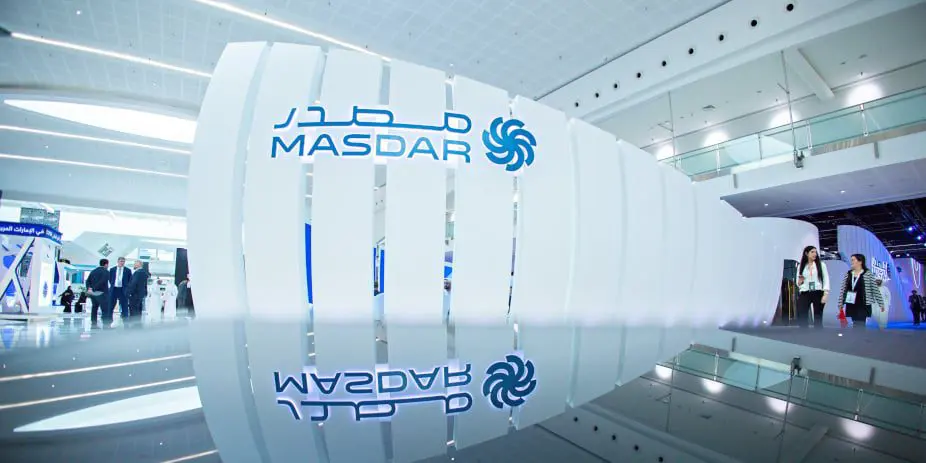
- Masdar signs agreement with Uzbekistan’s Ministry of Energy and Emirates Utilities Development Company to explore a 1GW 24/7 renewable project with state utility JSC Uzenergosotish as offtaker
- Project expands Masdar’s Uzbekistan portfolio to more than 2GW of renewable capacity and over $2 billion in investments, including storage commitments
- Round-the-clock baseload platforms position Central Asia as a proving ground for battery-integrated clean power at industrial scale
Masdar has signed a collaboration agreement with Emirates Utilities Development Company (EUDC), Etihad Water and Electricity’s development arm, and the Republic of Uzbekistan’s Ministry of Energy to explore a gigascale clean energy project capable of delivering continuous baseload power. The agreement, announced during Abu Dhabi Sustainability Week 2026, would supply up to 1GW of round-the-clock renewable power through a combination of large-scale solar and storage with JSC Uzenergosotish acting as the offtaker.
The ceremony was witnessed by senior officials from both countries, including UAE Minister of Energy and Infrastructure Suhail Mohamed Al Mazrouei, Uzbekistan Deputy Prime Minister Jamshid Khodjaev, Uzbekistan Minister of Energy Jurabek Mirzamahmudov, and Masdar Chief Executive Mohamed Jameel Al Ramahi.
Government stakes and regional diplomacy
Uzbekistan has become one of Central Asia’s most active clean energy markets as the government pushes to diversify its power mix, dampen gas dependency, attract international capital, and build export-relevant energy infrastructure. For the UAE, the collaboration reinforces a strategy of positioning domestic developers in emerging markets where storage, grid resilience, and energy security are rising priorities.
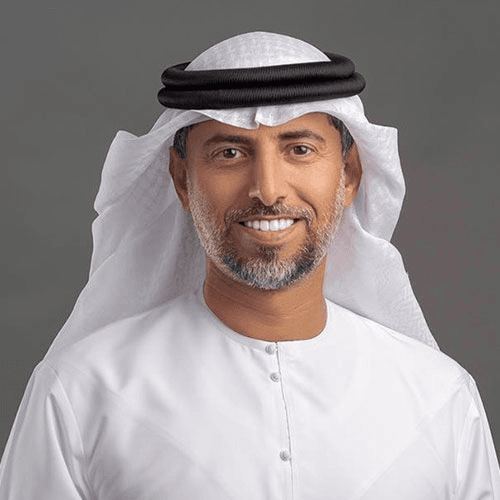
Suhail Mohamed Al Mazrouei said the project reflects the UAE’s commitment to scaling global energy transition partnerships. “Projects of this scale show how clean energy can deliver reliable, round-the-clock power while supporting economic growth and energy security. We value our strong partnership with the Republic of Uzbekistan and look forward to expanding cooperation in clean energy and sustainable infrastructure.”
Technology and storage strategy
Round-the-clock clean power has emerged as a premium market segment for utilities and industrial offtakers seeking to replace baseload fossil generation without compromising grid stability. For developers, the approach requires battery integration, flexible solar dispatch, and long-duration storage.
Al Ramahi positioned the venture as an innovation proof point. “With our groundbreaking round-the-clock projects, Masdar is overcoming the challenge of intermittency and reimagining the potential of renewable energy for the information age. By leveraging our 20 years of experience in renewables and our expertise in battery storage, we can provide reliable, sustainable power at scale.”
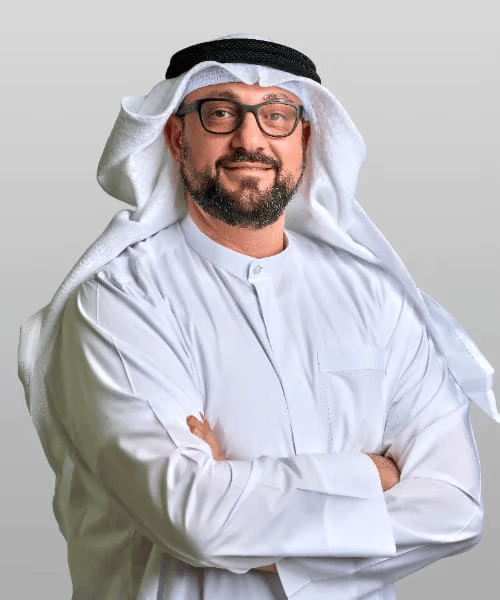
Utility participation through EUDC further indicates a maturing procurement environment. Eng. Yousif Ahmed Al Ali, Chief Executive of Etihad Water and Electricity and Chairman of EUDC, said the effort showcases how partnerships can expand baseload renewables. “We will explore a gigascale project that supports Uzbekistan’s clean energy ambitions and demonstrates how strong partnerships can help scale reliable renewables.”
RELATED ARTICLE: Masdar Expands Iberian Renewable Footprint With $392M Spanish Solar Deal
Portfolio expansion and regional market positioning
The proposed 1GW facility would join Masdar’s growing Uzbekistan portfolio of roughly 2GW of renewable capacity and more than $2 billion in investment across solar, wind, and storage. In November 2025 the company signed a battery storage services agreement with JSC Uzenergosotish for a 300MW/600MWh standalone storage installation in the Navoi region. The company also continues to build out a gigascale solar and storage project in the UAE totaling 5.2GW of solar PV and a 19GWh battery system, billed as the most advanced of its kind globally.
Beyond Uzbekistan, Masdar signed a collaboration agreement with Kazakhstan’s sovereign wealth fund, Samruk-Kazyna, in May 2025 to explore a 24/7 clean power project of up to 500MW, reflecting strong interest among CIS governments in renewable baseload. The region’s political leadership sees energy exports, system stability, and industrial competitiveness as intertwined with decarbonization.
Finance, competitiveness, and investor relevance
For investors and C-suite executives, the Uzbek initiative highlights a potential shift in renewable economics. Battery-integrated plants create dispatchable value chains that can compete with gas-backed power for industrial and utility demand, particularly in markets where pricing and security factors are increasingly sensitive.
Developers benefit from predictable offtake structures, longer contract tenors, and the ability to monetize storage. Governments gain diversification away from volatile fuel imports, alignment with climate commitments, and improved infrastructure resilience.
Global implications
Central Asia’s acceleration in clean baseload development could influence procurement models in other emerging markets seeking competitive tariffs without sacrificing reliability. Policymakers and corporates are paying close attention to how CIS utilities contract for storage and how developers structure financing for hybrid assets at scale.
Masdar aims to reach 100GW of global renewable capacity by 2030 and views the CIS as a strategic region alongside the Middle East, Africa, and Europe. If executed, the Uzbekistan project would add momentum to the growing thesis that large solar paired with storage can serve as a credible baseload option in markets beyond the Gulf.
Follow ESG News on LinkedIn

The ESG News Editorial Team is comprised of veteran financial journalists and sustainability analysts dedicated to providing real-time, objective reporting on global ESG regulations, climate finance, and corporate governance. Our desk monitors daily developments from the SEC, IFRS, CSRD and international regulatory bodies to ensure our 1M+ readers receive accurate, data-driven insights into the evolving sustainable investment landscape. Follow the ESG News Editorial Team for expert reporting on global sustainability standards, ESG disclosures, and climate policy. Access over 10,000 investigative reports and real-time updates.