Drax Launches Digital Biomass Tracker to Increase Supply Chain Transparency, Sustainability Reporting
• Drax debuts an interactive data tool that tracks biomass sourcing, transport and carbon across its global supply chain
• The Tracker supports the company’s new Sustainability Framework and strengthens verification of responsible biomass sourcing
• Enhanced transparency aims to build confidence among policymakers, investors and energy markets as sustainable biomass scales
Drax has launched a digital Biomass Tracker designed to make its biomass supply chain more transparent and data rich, offering detailed visibility into sourcing, logistics, fibre characteristics and carbon intensity. The tool arrives as policymakers and investors scrutinise biomass sustainability criteria, certification, and lifecycle emissions more closely across the United Kingdom, Europe and international markets.
Data Layers for a Scrutinised Sector
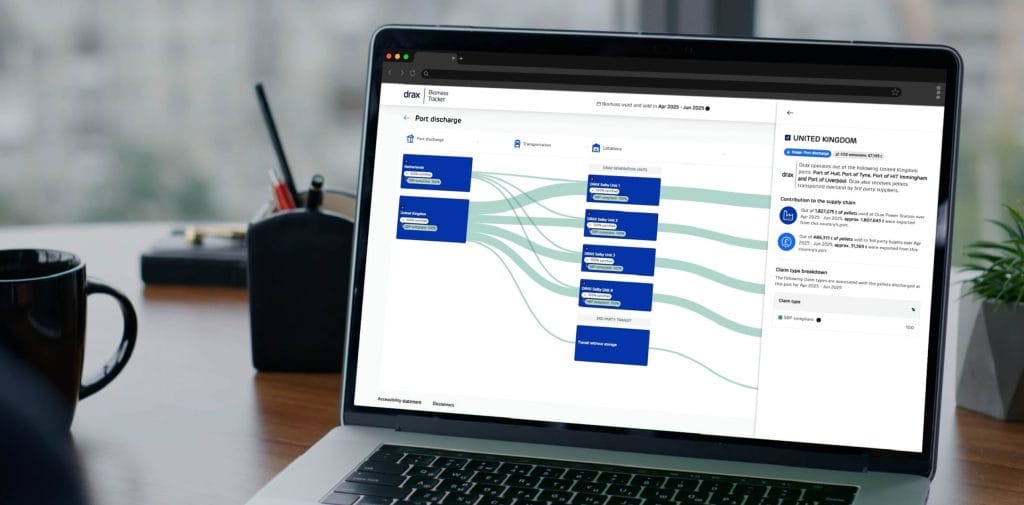
The Biomass Tracker shows the countries and US states where Drax sources woody biomass, the types of fibre used for pelletising, the transport routes taken, and the emissions associated with each stage of the biomass journey. It also maps independent sustainability certifications to each batch, helping users assess the evidence base behind biomass risk assessments, sustainability claims and carbon accounting practices.
According to Drax, the tool uses quarterly data presented via an interactive Sankey diagram that lets users trace each step from fibre origin and pelletising to international shipping, storage and combustion at Drax Power Station or delivery to third party customers. The company argues that such traceability can clarify how biomass supply chains operate and how emissions are distributed across stages often debated by the industry, regulators and non-governmental organisations.
A Push for Trust, Verification and Certification
Miguel Veiga-Pestana, Chief Sustainability Officer at Drax, said:
“The Biomass Tracker is another important step for Drax in delivering on our Sustainability Framework commitments.
“Transparency and data-led reporting are essential to building trust and confidence in sustainable biomass. By showing where our biomass comes from and how it moves through our supply chain, we are showing through openness and accountability, that biomass can be sustainably sourced, to support the UK’s energy security.”

Biomass continues to play a role in the United Kingdom’s energy system, particularly as firm low carbon power that can complement variable wind and solar. Yet debate persists around land use, forest management standards, biodiversity outcomes, carbon debt timelines and the suitability of biomass for negative emissions when paired with carbon capture and storage. Tools that expose certification pathways, fibre mix and lifecycle emissions aim to give policymakers and financiers stronger audit trails for decision-making.
Governance and Sustainability Framework Alignment
The launch aligns with commitments in Drax’s Sustainability Framework released in February 2025. That framework prioritises transparency, digital reporting, and continuous improvement in sourcing practices as markets for sustainable biomass evolve.
The Tracker brings these commitments into operational detail by visualising how and where biomass is produced, transported and used. For governance audiences, the tool functions as a disclosure layer that can complement sustainability reporting frameworks and future regulatory standards on supply chain due diligence, clean power eligibility and negative emissions verification.
RELATED ARTICLE: Drax Announces Carbon Removals Deal With C-Zero
Implications for Investors and Policy Stakeholders
For investors, insurers and lenders active in energy transition portfolios, traceability addresses a core diligence question on biomass: how to verify low carbon claims against lifecycle data that is often fragmented across jurisdictions and suppliers. More transparent certification pathways could also inform future carbon accounting treatment in both compliance and voluntary markets as bioenergy with carbon capture is assessed for removals.
For policymakers, the visibility into fibre type, transport emissions and certification regimes may influence UK energy security planning and net zero pathways that consider firm low carbon power and potential removals. It may also feed into debates at the EU and multilateral level on biomass sustainability criteria and taxonomy treatment.
Continuous Updates and Sector Context
Drax stated that the tool will evolve with additional functionality and new data updates, reflecting a continuous improvement approach to sustainability reporting and digital disclosure.
Global interest in negative emissions and firm clean power is accelerating, placing biomass into a more heavily scrutinised policy and investor landscape. Transparent datasets and verification tools will likely shape how the sector is financed and regulated, particularly as governments refine net zero pathways that factor in land use, forestry, carbon removals and system reliability.
Follow ESG News on LinkedIn

The ESG News Editorial Team is comprised of veteran financial journalists and sustainability analysts dedicated to providing real-time, objective reporting on global ESG regulations, climate finance, and corporate governance. Our desk monitors daily developments from the SEC, IFRS, CSRD and international regulatory bodies to ensure our 1M+ readers receive accurate, data-driven insights into the evolving sustainable investment landscape. Follow the ESG News Editorial Team for expert reporting on global sustainability standards, ESG disclosures, and climate policy. Access over 10,000 investigative reports and real-time updates.