Hong Kong Expands Sustainable Finance Taxonomy to Include Transition and Adaptation Categories
- Hong Kong broadens its Taxonomy to cover transition finance and climate adaptation, doubling eligible economic activities from 12 to 25.
- Framework now distinguishes Green, Transition and Exclusion categories, enabling investors to price credible decarbonisation pathways.
- Expansion aligns Hong Kong with global interoperability efforts and signals intent to mobilise capital to high-emitting sectors.
Hong Kong Launches Phase 2A Update to Sustainable Finance Taxonomy
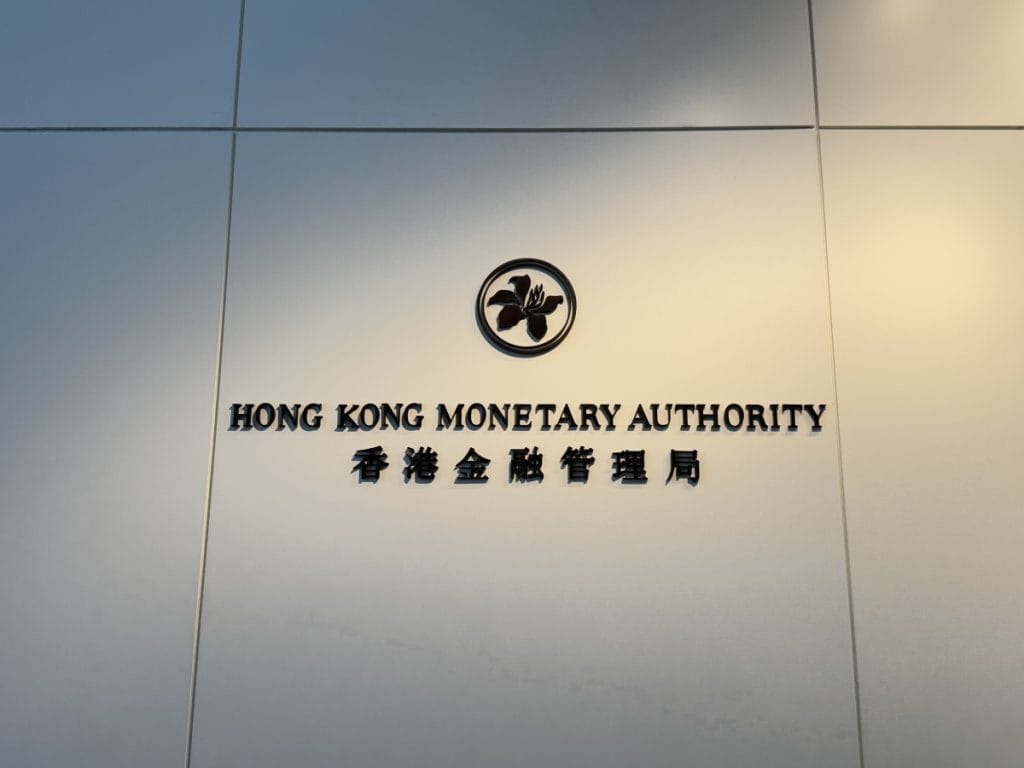
The Hong Kong Monetary Authority (HKMA) released the Phase 2A update of the Hong Kong Taxonomy for Sustainable Finance on 22 January, aiming to accelerate the region’s transition finance market and support climate adaptation investments across critical sectors. The update significantly expands the Taxonomy’s technical scope, introducing transition activities and resilience components while widening sector coverage from 4 to 6 and more than doubling economic activities to 25.
The HKMA has developed the Taxonomy in stages. Phase 1 was published in May 2024, followed by a consultation on the proposed Phase 2A prototype launched in September 2025. According to the HKMA, stakeholders across banks, asset managers, corporates, NGOs, think tanks and the public sector backed expanded coverage and the addition of transition and climate adaptation elements. The central bank also published a consultation report summarising market feedback and HKMA responses.
In its announcement, the HKMA said the Taxonomy aims to facilitate green and sustainable capital flows, support Hong Kong’s low-carbon transition, and provide a credible classification system for environmental sustainability.
Transition Finance Takes Shape
The most notable change in the update is the introduction of a structured transition category, designed to mobilise capital to carbon-intensive sectors and define time-bound decarbonisation pathways. The HKMA now groups climate mitigation activities into three classifications:
• Green, for activities operating at net zero or aligned with a 1.5°C trajectory.
• Transition, for carbon-intensive activities moving toward 1.5°C alignment on a time-bound pathway to net zero by 2050.
• Exclusion, for activities incompatible with a 1.5°C future or of low climate materiality.
The HKMA stated:
“The inclusion of transition elements in the Taxonomy is critical for driving the decarbonisation of the real economy. It enables the mobilisation and scaling up of transition finance to high-emitting sectors, such as energy and manufacturing, to shift systematically towards more sustainable practices. By defining credible pathways for these sectors to align with net zero goals, the Taxonomy strives to minimise economic disruption in carbon-intensive industries and promote an orderly transition, with a view to balancing environmental imperatives with economic growth.”
Within the Transition category, Phase 2A distinguishes between “Transition Activity”, referring to activities not yet aligned with a 1.5°C trajectory but progressing toward alignment or enabling short-term emissions reductions, and “Transition Measure”, referring to discrete components that partially improve emission performance, such as procuring low-carbon energy inputs.
A key governance feature is the requirement that eligible transition activities be time-bound, with sunset dates varying by sector and influenced by technology maturity, environmental impact, and regulatory drivers.
Adaptation and Resilience Added
Phase 2A introduces climate adaptation for the first time. The category focuses initially on “adapting measures” that enhance resilience within broader activities, such as technologies, materials, processes, and services. The HKMA adopts a whitelist approach for launch, allowing specified measures to qualify without additional technical screening. It plans to explore more rigorous assessment criteria as adaptation science and local thresholds evolve.
RELATED ARTICLE: Hong Kong SAR Launches $767 Million Digital Green Bonds
Interoperability and Market Positioning
The Phase 2A expansion adds Manufacturing and Information and Communications Technology to the Taxonomy’s sectoral footprint and includes activities ranging from low-carbon transport infrastructure to district heating and cooling, and electricity transmission and distribution. The HKMA said further development is already underway, with nuclear, natural gas-fired generation, hydrogen for power, sustainable aviation fuel, and CCUS under review, as well as waste and wastewater treatment and potential incorporation of “Do No Significant Harm”.
For investors and lenders, the expanded Taxonomy may help price risk and opportunity across transition pathways, support disclosure alignment, and improve comparability with the EU and other regional frameworks. For policymakers, it provides a mechanism to steer capital to hard-to-abate sectors without sacrificing economic competitiveness.
What Executives Should Watch
C-suite leaders and institutional investors will focus on the credibility of transition criteria, interoperability with global taxonomies, and implications for financing costs. Banks and insurers will monitor how time-bound eligibility interacts with prudential rules, scenario analysis, and decarbonisation strategies. Asset owners operating across Asia may view the adaptation category as a hedge against rising physical risk exposures.
The HKMA describes the Taxonomy as a living document, with future updates to be shaped by market feedback, government policy, technological change, and global climate frameworks. Hong Kong’s move broadens the sustainable finance toolkit in Asia and strengthens the region’s position in emerging transition finance markets, an area of rising interest for global capital allocators.
Follow ESG News on LinkedIn

The ESG News Editorial Team is comprised of veteran financial journalists and sustainability analysts dedicated to providing real-time, objective reporting on global ESG regulations, climate finance, and corporate governance. Our desk monitors daily developments from the SEC, IFRS, CSRD and international regulatory bodies to ensure our 1M+ readers receive accurate, data-driven insights into the evolving sustainable investment landscape. Follow the ESG News Editorial Team for expert reporting on global sustainability standards, ESG disclosures, and climate policy. Access over 10,000 investigative reports and real-time updates.