
US Exits Paris Agreement Again, Leaving Global Climate Governance Without Its Largest Economy
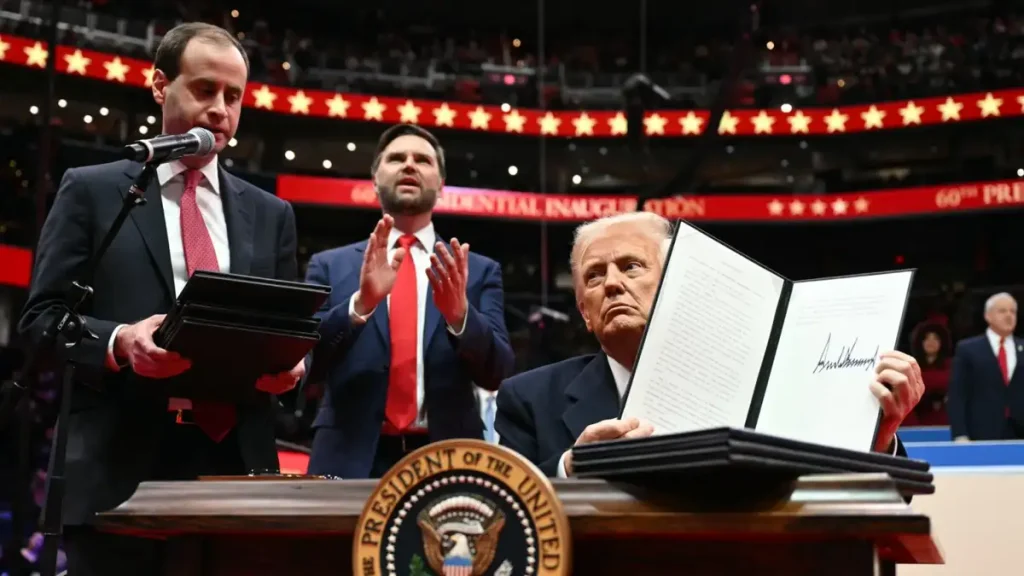
- US becomes the only nation to withdraw from the Paris Agreement, departing from UN climate governance frameworks.
- Exit complicates global diplomacy, climate finance, and long-range decarbonization efforts tied to COP processes.
- Domestic US shifts toward fossil expansion risk slowing international ambition and delaying clean energy transitions.
The United States has formally exited the Paris Agreement for the second time, completing a year-long withdrawal process and removing the world’s largest economy from the principal multilateral framework for climate action. The decision leaves the US as the only country outside the pact, aligning it with Iran, Libya and Yemen as non-parties, and sits alongside a broader retreat from international climate institutions.
The withdrawal was triggered by an Executive Order issued on the first day of Donald Trump’s current term. It follows a previous exit in late 2020 and a subsequent return under President Biden in early 2021. This time, the administration is also withdrawing from the United Nations Framework Convention on Climate Change, the parent treaty under which Paris was established. Together, the moves amount to what analysts describe as a wholesale departure from climate governance.
Global Stakes and Diplomacy
At its COP30 meetings in Brazil, the UNFCCC reaffirmed the core aims of the Paris Agreement: limiting global temperature rise to well below 2°C and pursuing efforts toward 1.5°C. Shortly after the US exit took effect, the UNFCCC posted a message noting that “The Paris Agreement is the world’s shared framework to combat climate change and limit global temperature rise. At COP30 in Brazil, 194 countries representing billions of people reaffirmed their commitment to this vision and resolved to go further, faster, together.”
Diplomats and energy analysts warn that the withdrawal creates diplomatic headwinds at a time when climate cooperation is tightly bound to industrial policy, supply chains, energy security, and finance. It also comes as the real economy accelerates toward electrification, low-carbon power and clean manufacturing.
Domestic Retrenchment and International Consequences
The administration has simultaneously rolled back clean energy programs, cancelled federal awards, revisited greenhouse gas regulations, and halted offshore wind development. It argues that climate regulations impose economic harms and dismisses the global warming threat. Trump has described climate change as “the greatest con job ever perpetrated on the world.”
Climate analysts say the geopolitical consequences will extend beyond UN venues. Sue Biniaz, a former deputy climate envoy, said “Yes, the real economy is moving in the direction of renewables, clean energy, etc, but there’s still a role for the global regime in terms of sending political signals and nudging that real economy along. Now, that ambition is going to fall behind.”

Several experts argued that disengagement may depress ambition elsewhere. “I think other countries are looking at the fact that the US is departing … from the international climate regime and using that as a reason to do less,” said Biniaz. Israel is reportedly considering a similar move.
Others see the retreat shaping Chinese climate politics. Jeremy Wallace, professor of China studies at Johns Hopkins University, argued that “The US abdication on climate allows fossil advocates in China more voice to slow down the energy transition. A pro-climate president in the White House would push China to be more ambitious.”
RELATED ARTICLE: Singapore and Chile Sign Carbon Credit Agreement Under Paris Agreement Article 6
Markets Moving Without Washington
Despite geopolitical uncertainty, capital investment in low-carbon energy is outpacing fossil fuels globally. Renewables accounted for more than 90 percent of new power capacity additions last year and large segments of clean technology supply chains are dominated by Chinese firms. Electric vehicles, solar manufacturing and grid technologies continue expanding even without policy alignment in Washington.
Yet analysts caution that domestic US fossil expansion could still exert global effects. Basav Sen of the Institute for Policy Studies argued that “If the domestic market in the US continues to be dominated by fossil fuels through the fiat of an authoritarian government, that will continue to have an impact on the rest of the world,” particularly as production scales to meet rising electricity demand from AI datacenters.

Sen added that withdrawing from Paris hampers climate finance for emerging economies: “It will be that much harder for low-income countries, who are very dependent on fossil fuel production and exports, to be able to make their transitions with the US saying that we won’t fund any of it.”
Subnational Commitments and Fragmented Leadership
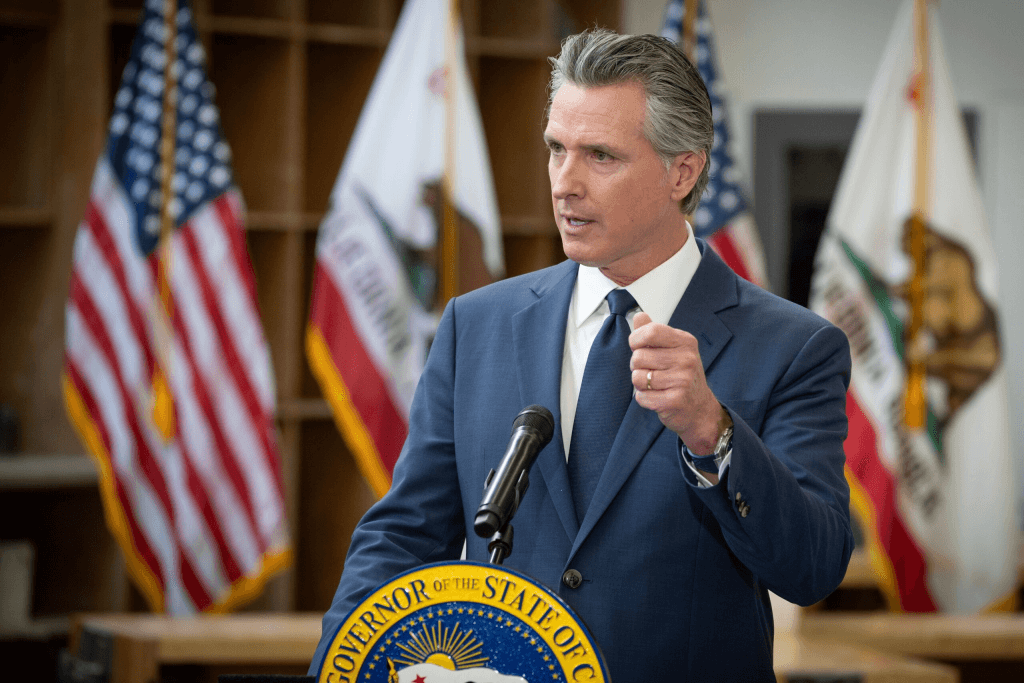
In contrast to federal retrenchment, governors in 24 US states sent a letter pledging continued alignment with Paris objectives. After the formal withdrawal, California Governor Gavin Newsom said “As climate disasters cost Americans trillions, Trump’s answer is to wave the white flag. California won’t retreat. We’ll keep working with our partners around the world to cut pollution, create jobs, and lead the clean energy economy that the Trump administration is too weak to fight for.”
Global Credibility and the Road Ahead
Analysts say the exit reinforces perceptions of the US as an unreliable partner on multilateral climate policy. Wallace remarked, “I’m not sure if the United States has any credibility left to lose in the eyes of the world, but withdrawing from Paris for a second time does not help.”
The move lands amid record heat and mounting economic losses tied to extreme weather. Whether global climate diplomacy adapts around US disengagement or slows in response will influence capital allocation, industrial strategy and the pace of transition through the 2030s.
Follow ESG News on LinkedIn

The ESG News Editorial Team is comprised of veteran financial journalists and sustainability analysts dedicated to providing real-time, objective reporting on global ESG regulations, climate finance, and corporate governance. Our desk monitors daily developments from the SEC, IFRS, CSRD and international regulatory bodies to ensure our 1M+ readers receive accurate, data-driven insights into the evolving sustainable investment landscape. Follow the ESG News Editorial Team for expert reporting on global sustainability standards, ESG disclosures, and climate policy. Access over 10,000 investigative reports and real-time updates.