IFAD Raises $72 Million Through Sustainable Bond to Fund Rural Development
• SEK 750 million ($72 million) sustainable bond channels long-term capital into food security, rural livelihoods, and climate resilience across developing economies.
• Swedish pension and insurance capital deepens exposure to multilateral development finance aligned with ESG mandates.
• Deal reinforces the role of private placements in funding agriculture-led growth as pressure mounts on global food systems.
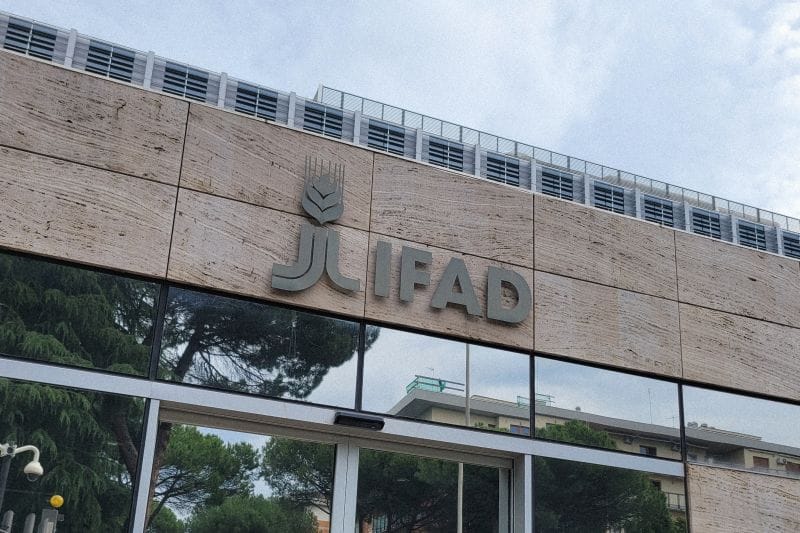
The International Fund for Agricultural Development issued a SEK 750 million ($72 million) sustainable bond through a private placement, directing fresh capital into rural transformation projects across low- and middle-income countries.
The bond, issued under IFAD’s Sustainable Development Finance Framework, was purchased by Skandia as lead investor, alongside AP3 and Kammarkollegiet. For IFAD, the deal extends a funding strategy built around repeat institutional investors while widening its Nordic base at a moment when agriculture, food security, and rural resilience are moving up global policy agendas.
Funding rural systems at scale
The proceeds will finance IFAD development projects aimed at improving productivity, incomes, and resilience in rural areas, where poverty and climate vulnerability remain concentrated. Roughly three billion people live in rural regions of developing countries, and small-scale farmers produce about half of the world’s food. Nearly 80 percent of the world’s poorest people live in these areas, placing rural investment at the center of both development and food security strategies.
IFAD’s approach targets what policymakers increasingly describe as the “first mile” of food systems. By supporting small-scale farmers with better agricultural practices, access to markets, and integration into rural value chains, the institution aims to deliver economic returns alongside social outcomes. Recent impact analysis shows that IFAD-financed projects increased farmers’ production, income, and market access by more than one third. Between 2022 and 2024, nearly 390,000 jobs were created through these programs.
Investor alignment with ESG mandates
For the investors, the bond fits squarely within long-duration ESG and impact-oriented portfolios. Skandia, founded in 1855 and one of Sweden’s largest insurance groups, has now supported IFAD three times. AP3, part of Sweden’s national pension system, and Kammarkollegiet, a state authority under the Ministry of Finance, joined as new investors.
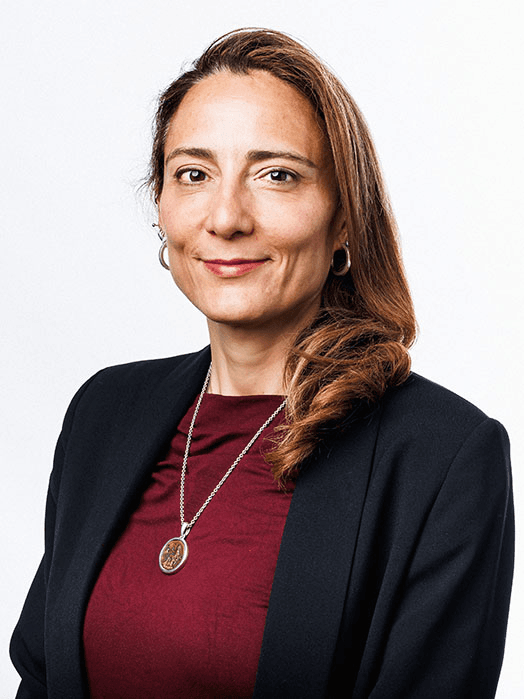
“We are particularly happy to start the year with this club deal, partnering with Skandia that is now supporting our institution for the third time, and adding two reputable new investors like AP3 and Kammarkollegiet. This deal summarizes IFAD’s wish to build long-term partnerships through repeat-investors and to attract new names with ESG themes at the heart of their investment strategy,” said Natalia Toschi, Head of Funding, IFAD.
From the investor side, the emphasis sits on long-term stability and social outcomes rather than short-term yield. “By investing in IFAD, we contribute to long-term sustainable development where social impact and financial stability go hand in hand. Small-scale farmers play a crucial role in global food security, and investments that create development opportunities are crucial for reducing poverty and creating stable societies,” said Alexander Onica, Head of Skandia’s Fixed Income and Currency Management.
RELATED ARTICLE: EIB and IFAD Deepen Collaboration to Strengthen Food Security and Climate Adaption
Governance and policy context
The transaction arrives as multilateral development banks and UN-affiliated institutions face rising expectations to mobilize private capital at scale. Governments are under fiscal pressure, while climate adaptation, food security, and rural employment are becoming intertwined policy priorities. Instruments such as sustainable bonds offer a way to align institutional capital with development outcomes without expanding sovereign balance sheets.
Kammarkollegiet’s participation adds a public-sector governance dimension to the deal. The agency operates under Sweden’s Ministry of Finance and plays a role in strengthening transparency, legal certainty, and sustainable public administration. AP3’s involvement reinforces the growing role of public pension capital in financing global development objectives.
What executives and investors should take away
For C-suite leaders and investors, the bond illustrates how targeted private placements can support measurable impact while meeting fiduciary and ESG requirements. Agriculture and rural development remain undercapitalized relative to their economic and social importance, yet they deliver strong returns in terms of stability, employment, and food supply resilience.
As climate volatility, geopolitical tension, and demographic pressures reshape global food systems, capital flows into rural economies are increasingly viewed as risk mitigation rather than philanthropy. IFAD’s latest issuance highlights how development finance institutions are positioning themselves as intermediaries between institutional investors and the long-term structural needs of the global economy.
The SEK 750 million raised will not resolve global food insecurity. But it strengthens a financing model that ties governance, finance, and ESG objectives together at a time when all three are under strain.
Follow ESG News on LinkedIn

The ESG News Editorial Team is comprised of veteran financial journalists and sustainability analysts dedicated to providing real-time, objective reporting on global ESG regulations, climate finance, and corporate governance. Our desk monitors daily developments from the SEC, IFRS, CSRD and international regulatory bodies to ensure our 1M+ readers receive accurate, data-driven insights into the evolving sustainable investment landscape. Follow the ESG News Editorial Team for expert reporting on global sustainability standards, ESG disclosures, and climate policy. Access over 10,000 investigative reports and real-time updates.