Chestnut Carbon Secures First North American FSC Biodiversity Verification For IFM Forest Project
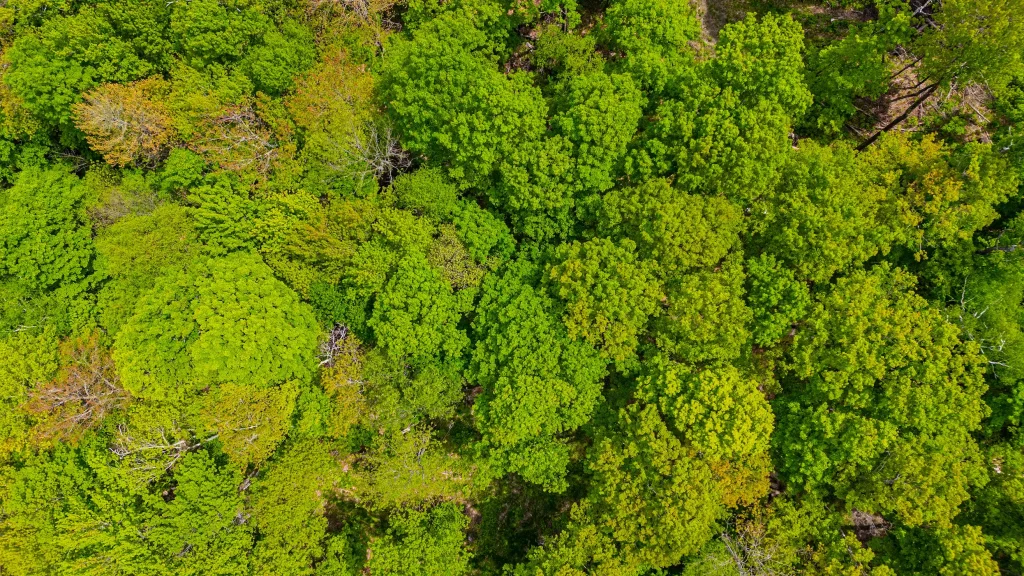
- First Improved Forest Management carbon removal project in North America verified under FSC Verified Impact for Biodiversity Conservation
- Third party ecological validation strengthens integrity standards for nature based carbon markets and corporate credit buyers
- Nearly 200,000 acres enrolled through Forest Carbon Works, expanding long term conservation and climate resilience outcomes
Chestnut Carbon has achieved a first for North America’s forest carbon sector, with its Family Forest Carbon Project becoming the first Improved Forest Management carbon removal project verified under the Forest Stewardship Council Verified Impact program for Biodiversity Conservation Maintenance of Natural Forest Structure.
The certification places biodiversity outcomes at the center of carbon project validation, a shift that carries growing weight among regulators, corporate buyers, and institutional investors assessing the credibility of voluntary carbon markets. FSC’s Verified Impact framework ties environmental claims to independently assessed ecological performance, addressing long standing scrutiny over transparency and environmental integrity in nature based credits.
The milestone follows a separate afforestation initiative by Chestnut that secured biodiversity verification earlier in 2025, reinforcing a broader trend toward integrating measurable ecosystem outcomes into carbon project governance.
Governance And Credibility Pressures Shape Carbon Credit Demand
As voluntary carbon markets face rising calls for stricter oversight, projects able to demonstrate verified co benefits are gaining strategic importance. FSC’s involvement provides an additional layer of third party assurance, which industry observers say may influence procurement decisions by multinational companies seeking lower risk offsets aligned with emerging disclosure expectations.
“We are excited to see Chestnut achieve a second FSC Verified Impact,” said Thomas Kain, Senior Manager, U.S. Certification and Business Development at the Forest Stewardship Council. “Across both afforestation and IFM, Chestnut is showing the market what high-quality, biodiversity-focused forest management looks like. FSC is proud to support these nature-positive efforts.”
By focusing on maintaining natural forest structure, the IFM project emphasizes conservation rather than rapid timber harvesting, aligning with governance priorities tied to sustainable land management and ecosystem protection. Verified outcomes include improved air, water, and soil quality, enhanced habitat for native wildlife, and greater climate resilience for surrounding communities.
Financing Nature Based Solutions Through Private Landowners
Chestnut’s Forest Carbon Works membership program sits at the core of the project’s expansion strategy. The initiative enables private U.S. landowners to participate in carbon markets while extending forest rotation ages and implementing long term stewardship practices.
With nearly 200,000 acres enrolled, the program reflects a financing model that blends climate investment with rural land management incentives. For investors, such scale signals the potential for diversified portfolios of carbon removal credits tied to verified ecological performance rather than single project risk.
RELATED ARTICLE: Microsoft Partners with Chestnut Carbon for Long-term Nature-Based Carbon Removal Solutions
Chestnut argues that rigorous certification frameworks will play a decisive role as corporate sustainability teams increase scrutiny of credit quality amid evolving regulatory debates in North America and Europe. Companies are under mounting pressure to demonstrate that offset purchases deliver measurable environmental outcomes beyond carbon accounting.
“FSC has been an invaluable partner as we’ve scaled our forest carbon project portfolio,” said Briana Capra, VP of Carbon Strategy and Impact at Chestnut Carbon. “Through the Verified Impact Program, we’ve been able to validate that our projects deliver high-integrity carbon removal alongside measurable community and environmental co-benefits. This level of rigor is essential as corporate buyers increasingly seek nature-based credits backed by transparent, science-based proof of impact.”

What Executives And Investors Should Watch
For C suite leaders and ESG strategists, the development highlights a broader shift toward integrated climate and biodiversity metrics. Policymakers and standards bodies are increasingly linking carbon market participation with ecological safeguards, raising expectations for verification processes that extend beyond emissions reductions.
Nature based projects capable of demonstrating transparent biodiversity performance may gain preferential positioning as companies prepare for tighter disclosure frameworks tied to climate and nature risk. Financial institutions, meanwhile, are likely to evaluate such certifications as indicators of lower reputational exposure and stronger governance alignment.
The FSC verification of Chestnut’s IFM project also reflects the evolving economics of forest management in the United States, where landowners are balancing conservation incentives against traditional timber revenues. As global demand for high integrity carbon removal credits grows, projects able to combine climate impact with verifiable ecological benefits are emerging as a critical bridge between voluntary markets and future regulatory frameworks.
In a carbon market still navigating credibility challenges, the integration of biodiversity verification signals a shift toward more comprehensive environmental accounting, positioning nature based solutions as a strategic component of corporate climate portfolios worldwide.
Follow ESG News on LinkedIn

The ESG News Editorial Team is comprised of veteran financial journalists and sustainability analysts dedicated to providing real-time, objective reporting on global ESG regulations, climate finance, and corporate governance. Our desk monitors daily developments from the SEC, IFRS, CSRD and international regulatory bodies to ensure our 1M+ readers receive accurate, data-driven insights into the evolving sustainable investment landscape. Follow the ESG News Editorial Team for expert reporting on global sustainability standards, ESG disclosures, and climate policy. Access over 10,000 investigative reports and real-time updates.