
LanzaTech Targets 80,000 Tonne SAF Output With $740M UK Plant
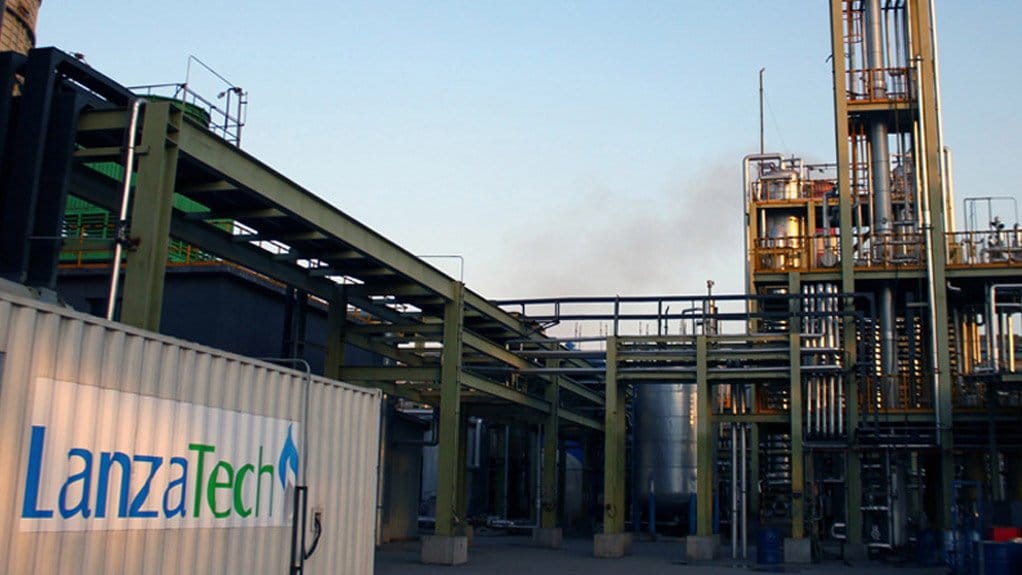
- £600m ($744M) investment targets large scale sustainable aviation fuel production aligned with UK decarbonisation policy.
- Facility aims to produce 80,000 tonnes of SAF annually using waste CO₂ and green hydrogen via Power to Liquid technology.
- Project links industrial decarbonisation, aviation transition risk, and government funding through the UK Advanced Fuels Fund.
LanzaTech Global has selected Saltend Chemicals Park as the preferred location for its DRAGON II sustainable aviation fuel project, a £600 million ($744M) investment positioned at the intersection of industrial policy and aviation decarbonisation. The facility will produce both sustainable aviation fuel and renewable diesel, expanding the UK’s domestic low carbon fuels capacity at a time when regulators and airlines are facing mounting pressure to cut lifecycle emissions.
The proposed plant is expected to generate approximately 80,000 tonnes of SAF annually alongside 8,000 tonnes of renewable diesel once fully operational. Construction is scheduled to begin in the second half of 2027, with production targeted for 2030.
Policy Alignment And Infrastructure Advantage
Saltend Chemicals Park, owned by px Group and part of Ara Partners’ industrial decarbonisation portfolio, was selected after LanzaTech assessed multiple UK sites. The park’s established utilities network, deep water jetty access and integrated site services platform were key factors in the decision, allowing developers to minimise upfront infrastructure risk and accelerate permitting timelines.
For policymakers, the location reflects a broader strategy to anchor clean energy investments within existing industrial clusters rather than developing standalone greenfield projects. Humberside has increasingly positioned itself as a hub for hydrogen, carbon capture and alternative fuels, supported by regional decarbonisation initiatives and evolving UK energy frameworks.
The UK Government’s involvement has already taken shape through a £6.4 million ($7.9M) award from the Department for Transport’s Advanced Fuels Fund in July 2025, helping to advance development milestones. The funding signals continued public sector willingness to support SAF supply chains as airlines prepare for future blending mandates.
Technology Strategy And Climate Implications
DRAGON II forms part of LanzaTech’s broader Project DRAGON programme, alongside the DRAGON I facility in Port Talbot, South Wales. Both plants will deploy the LanzaJet Alcohol to Jet process, converting waste carbon dioxide and green hydrogen into ethanol through gas fermentation technology before upgrading it into Power to Liquid SAF.
This approach aligns with emerging global strategies that aim to decouple aviation fuel production from fossil feedstocks. Instead of relying on biomass or traditional refinery inputs, the project focuses on recycling industrial carbon emissions, potentially lowering lifecycle emissions while supporting circular economy models.
For ESG focused investors, the technology pathway highlights both opportunity and execution risk. Power to Liquid SAF remains capital intensive and dependent on access to low cost green hydrogen, a factor that will influence long term project economics. However, governments in Europe and beyond are pushing for diversified SAF supply to avoid bottlenecks as aviation decarbonisation targets tighten.
RELATED ARTICLE: SAF One Secures Up To $30 Million For Middle East SAF Project
Jobs, Regional Growth And Industrial Transition
Beyond emissions reductions, the project is expected to support around 300 skilled construction roles and 150 permanent operational jobs once online. That employment footprint adds a political dimension to the investment, reinforcing the narrative that industrial decarbonisation can deliver regional economic benefits alongside climate outcomes.
Industrial clusters such as Saltend are increasingly viewed as testing grounds for integrating hydrogen, carbon utilisation and renewable fuels within legacy chemical infrastructure. Investors tracking transition risk will likely view DRAGON II as part of a broader shift toward repurposing traditional heavy industry sites rather than abandoning them.
What Executives And Investors Should Watch
For airlines and fuel buyers, projects like DRAGON II are critical to securing future SAF supply amid tightening European climate policies. The UK’s support mechanisms and infrastructure strategy could help attract further capital into the sector, but timelines remain sensitive to regulatory clarity, hydrogen pricing and long term offtake agreements.
Corporate leaders evaluating aviation exposure should note the growing role of government backed funds in de risking early stage SAF investments. At the same time, industrial partners are positioning themselves within decarbonisation value chains that extend beyond aviation into renewable fuels and carbon utilisation.
As global aviation emissions continue to draw scrutiny from regulators and investors, the development of projects like DRAGON II reflects a broader shift toward integrated industrial solutions. The success or failure of these large scale Power to Liquid initiatives will shape not only the UK’s energy transition but also the pace at which sustainable aviation fuel becomes commercially viable worldwide.
Follow ESG News on LinkedIn

The ESG News Editorial Team is comprised of veteran financial journalists and sustainability analysts dedicated to providing real-time, objective reporting on global ESG regulations, climate finance, and corporate governance. Our desk monitors daily developments from the SEC, IFRS, CSRD and international regulatory bodies to ensure our 1M+ readers receive accurate, data-driven insights into the evolving sustainable investment landscape. Follow the ESG News Editorial Team for expert reporting on global sustainability standards, ESG disclosures, and climate policy. Access over 10,000 investigative reports and real-time updates.