EU-Backed EIB Programme Channels $6.5B Into SME Energy Savings
- €6 billion deployed in 2025 to help up to 150,000 SMEs invest in energy efficiency and decarbonisation
- Programme aims to mobilise €17.5 billion by 2027, supporting 350,000 European businesses through InvestEU-backed financing
- New partnerships and “energy efficiency as a service” models shift risk away from SMEs while accelerating EU climate and competitiveness goals
Luxembourg Pushes SME Climate Financing Into Execution Phase
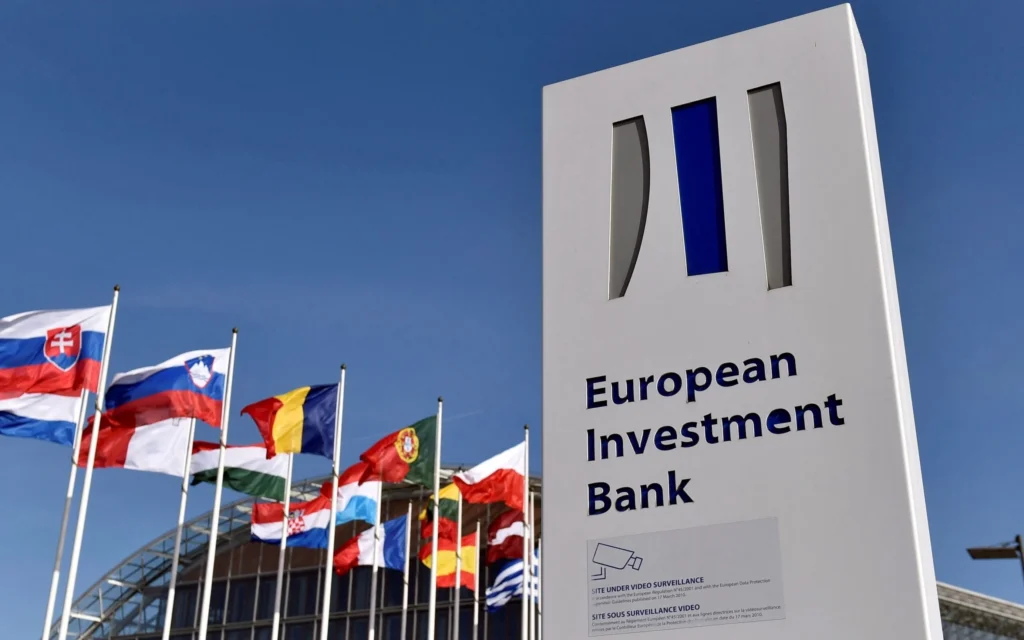
European policymakers and financiers gathered at the EIB Group’s Green Gateway event to highlight the rapid expansion of the Energy Efficiency for SMEs initiative, a flagship EU-wide programme designed to reduce energy costs and emissions across small and mid-sized businesses.
Launched jointly by the European Investment Bank Group and the European Commission, the initiative delivered €6 billion in financing during its first year, supporting energy upgrades across multiple sectors. The programme now aims to reach €17.5 billion in funding between 2025 and 2027, positioning SMEs at the centre of Europe’s industrial decarbonisation strategy.
New credit lines to partner banks in the Netherlands, Poland, Slovakia and Spain are already channeling capital into energy efficiency projects. Venture capital activity through the European Investment Fund, combined with InvestEU Sustainability Guarantees, is expanding financing pathways for cleantech adoption among smaller firms.
“Energy efficiency is one of the most powerful tools we have to make climate and competitiveness a winning tandem,” said EIB Vice-President Ambroise Fayolle. “It is not just a technical fix – it is a strategic imperative. We are supporting Europe’s energy efficiency ecosystem for the years ahead.”

Policy And Competitiveness Converge Around SME Energy Savings
For EU policymakers, the initiative reflects a broader shift toward using financial instruments to align climate objectives with industrial resilience. SMEs account for a significant share of European employment yet often struggle to access capital for energy upgrades due to upfront costs and administrative complexity.
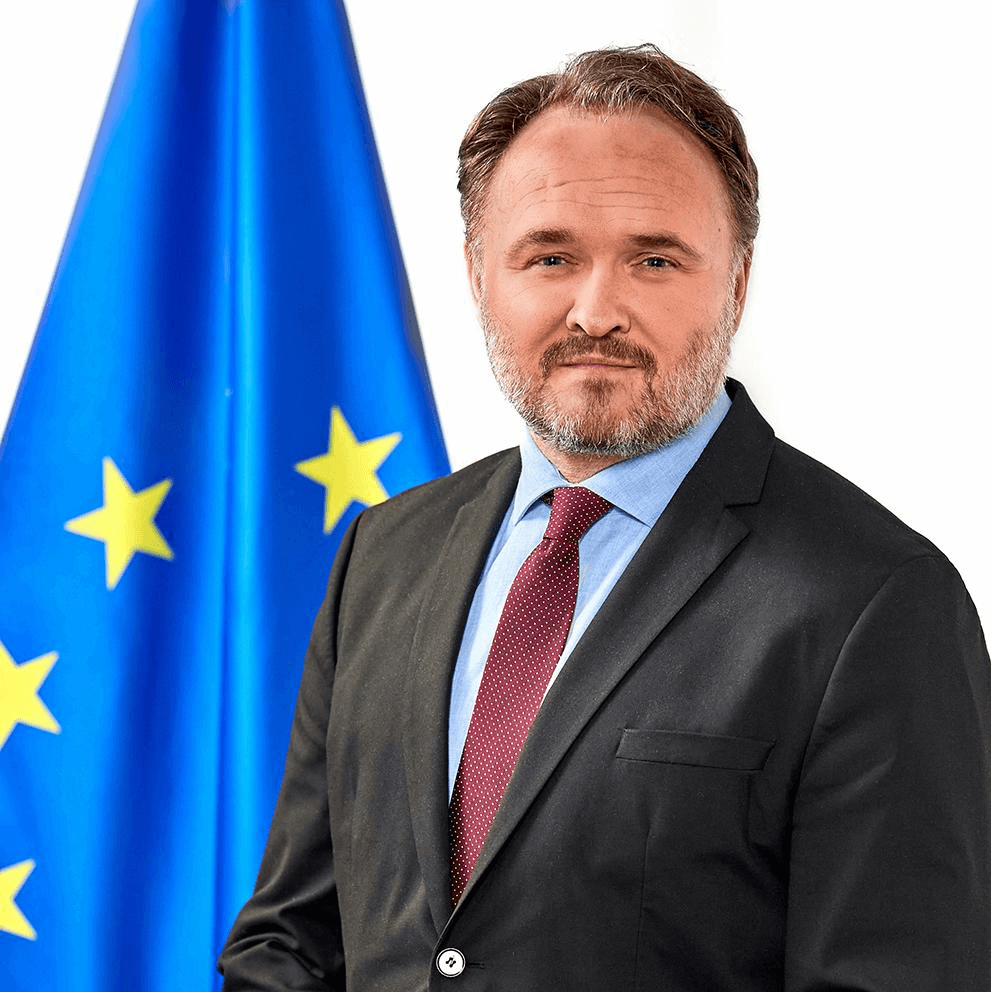
EU Commissioner for Energy and Housing Dan Jørgensen framed the programme as a governance model built on institutional cooperation and private sector engagement. “Boosting energy efficiency in SMEs across Europe strengthens competitiveness, supports climate action, and keeps communities thriving. This initiative is a great example of effective cooperation between EU institutions, the EIB Group, and the private sector. Together, we ensure that every watt counts.”
By embedding the initiative within the InvestEU framework, EU institutions are creating a blended finance structure that reduces risk for lenders while scaling climate investments across regional economies.
Green Gateway Platform Drives Adoption And Oversight
Behind the financing expansion sits the Green Gateway advisory platform, developed with support from the European Commission’s InvestEU Advisory Hub. The platform functions as a digital entry point for banks and SMEs to identify eligible green projects, track reporting requirements and access training resources.
A revamped Group Green Checker has simplified project eligibility assessments, contributing to more than 30,000 visits last year, a 43 percent increase. New tools include a dedicated helpdesk, ten e-learning modules for intermediaries and SMEs, and specialised webinars for partner banks. Together, these services aim to address a recurring governance challenge in climate finance: ensuring that smaller companies can navigate regulatory and technical requirements without excessive administrative burden.
RELATED ARTICLE: EIB Approves Loan of $83.6 Million for Uzbekistan Solar Programme
“Energy Efficiency As A Service” Redefines Financing Models
A major focus of the Green Gateway announcements was the expansion of “servitisation” financing models through partnerships with Eiffel Investment Group and Solas Capital. Instead of purchasing equipment outright, SMEs can pay for energy services such as heating or lighting while providers retain ownership and maintenance responsibilities.
“One of the objectives of the Energy Efficiency for SMEs initiative is to remove one of the biggest barriers to the implementation of efficient solutions: upfront investment and operational complexity”, said Bertrand Piccard, Chairman of the Solar Impulse Foundation. “By promoting energy efficiency as a service that allows shifting the model from ownership to usage, companies no longer have to choose between sustainability and competitiveness. Energy efficient solutions can be installed with no initial cost, managed seamlessly, and paid back through the savings they generate. This approach turns sustainability into a profit, not a burden – and it has the potential to increase competitiveness rapidly across SMEs, cities and entire value chains.”

For investors and corporate leaders, the model represents a structural shift in how decarbonisation is financed, moving from asset-heavy procurement toward performance-based services that align financial returns with emissions reductions.
What Executives And Investors Should Watch
The Energy Efficiency for SMEs initiative forms a core element of the EIB Group’s Strategic Roadmap 2024–2027, linking climate finance to Europe’s broader competitiveness agenda. As energy prices remain volatile and regulatory pressure intensifies, the programme demonstrates how public finance institutions are reshaping capital flows toward smaller businesses that historically struggled to access green funding.
Its early traction suggests that EU climate policy is increasingly focused on scaling practical, bankable solutions rather than large headline infrastructure alone. If the €17.5 billion target is achieved, the initiative could influence global financing models for SME decarbonisation, positioning Europe as a testing ground for blended finance structures that combine governance, innovation and industrial policy in a single framework.
Follow ESG News on LinkedIn

The ESG News Editorial Team is comprised of veteran financial journalists and sustainability analysts dedicated to providing real-time, objective reporting on global ESG regulations, climate finance, and corporate governance. Our desk monitors daily developments from the SEC, IFRS, CSRD and international regulatory bodies to ensure our 1M+ readers receive accurate, data-driven insights into the evolving sustainable investment landscape. Follow the ESG News Editorial Team for expert reporting on global sustainability standards, ESG disclosures, and climate policy. Access over 10,000 investigative reports and real-time updates.