H&M, Stella McCartney Launch Sustainability Board To Accelerate Circular Fashion
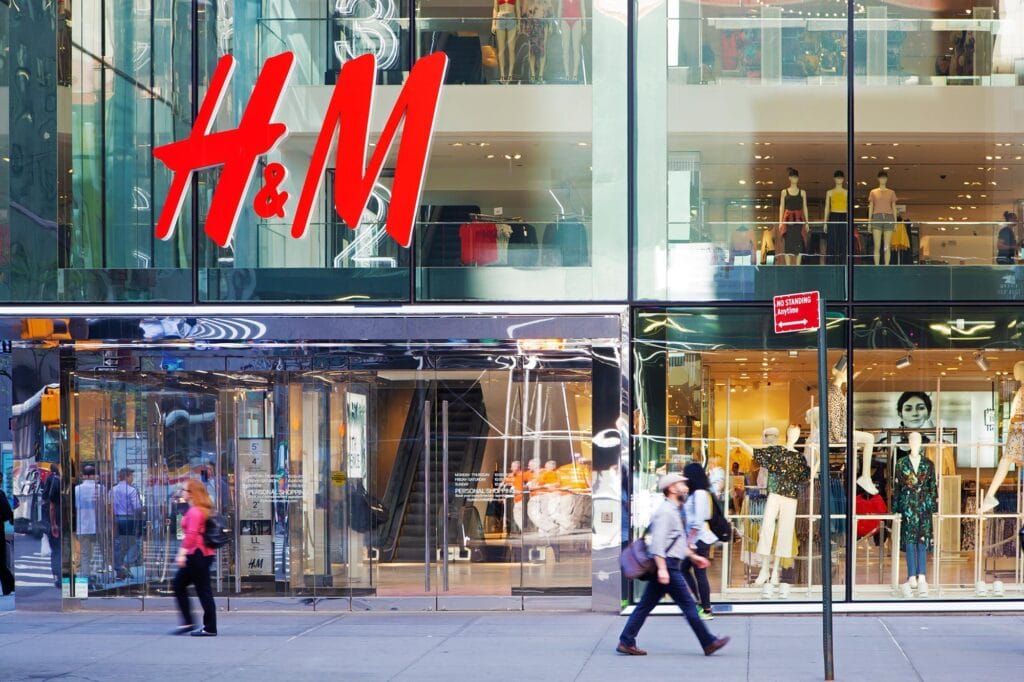
- H&M establishes a multi stakeholder sustainability board as it targets 100% sustainable materials by 2030
- Board brings together industry, culture, and innovation voices to shape material sourcing, circularity, and animal welfare
- Initiative reflects growing governance pressure on fashion brands to embed ESG into operations and supply chains
H&M has formalized a new sustainability governance model, launching an industry facing Insights Board in partnership with Stella McCartney as the retailer accelerates its transition toward fully sustainable materials by 2030.
The board convened for the first time in London, bringing together voices from fashion, technology, media, and activism to interrogate one of the industry’s most pressing challenges: how to embed sustainability into both creative direction and commercial operations at scale.
The move comes as regulatory scrutiny on fashion supply chains intensifies across Europe and globally, with investors and policymakers pushing for greater transparency, traceability, and accountability in materials sourcing and production practices.
A Platform Focused On Materials, Circularity And Industry Accountability
The Insights Board is designed to address multiple dimensions of sustainability, from next-generation materials and circular design systems to innovation pathways and communication strategies.
This reflects a broader shift within the sector, where sustainability is no longer confined to sourcing decisions but is increasingly tied to brand positioning, consumer trust, and long-term risk management.
The inclusion of voices beyond traditional corporate leadership is intentional. Members include sustainability technologist Kiara Nirghin, model and advocate Adwoa Aboah, artist Anitta, model Amelia Gray, and fashion journalist Susie Lau. The composition signals a recognition that cultural influence, not just operational change, will shape the next phase of sustainable fashion.
Susie Lau framed the board’s role in challenging industry norms:
“Fashion thrives on dialogue, critique and curiosity. What draws me to the Insights Board is the chance to question assumptions and explore how sustainability can move beyond slogans and become something embedded in the culture and everyday practices of fashion.”

Stella McCartney Brings Industry Credibility And Advocacy
For Stella McCartney, long regarded as a pioneer in sustainable luxury, the board represents an opportunity to scale values-driven design across a mass-market platform.
“Fashion has an opportunity to lead with honesty, transparency and a willingness to challenge itself. That’s what excites me about the Insights Board,” McCartney commented. “It’s about listening and learning, not just from the voices around the table, but from the communities they represent, and keeping sustainability front and centre in a way that sparks real dialogue and, importantly, hope for change.”
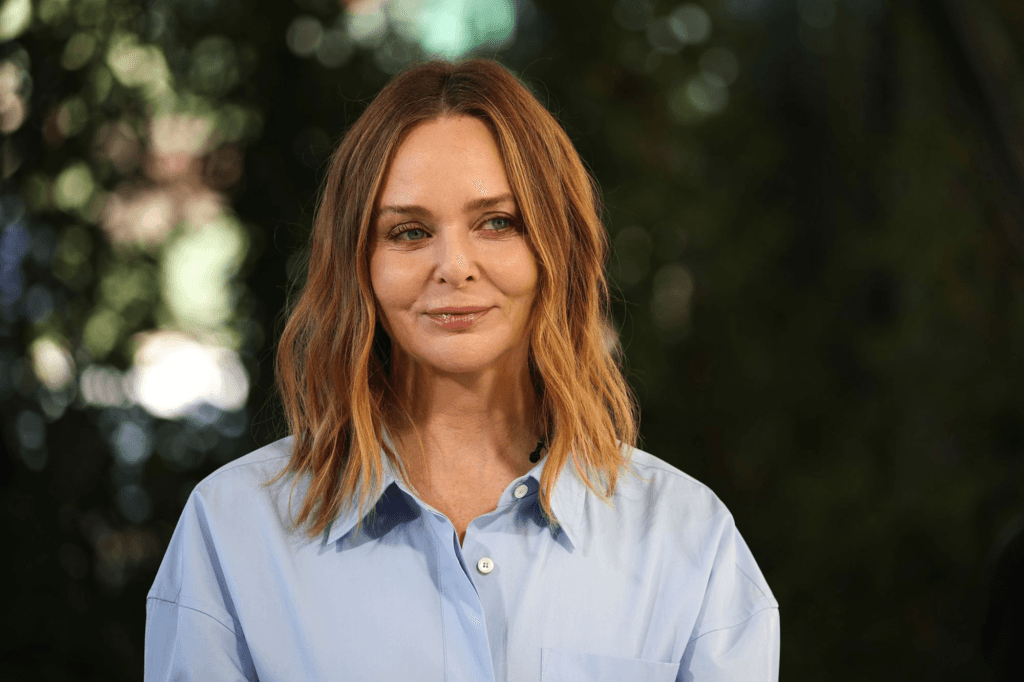
Her involvement adds both credibility and pressure. McCartney’s brand has consistently avoided leather and fur while investing in alternative materials, setting a benchmark that mainstream retailers are increasingly expected to follow.
RELATED ARTICLE: H&M Group Publishes New Sustainable Finance Framework
Strategic Alignment With H&M’s 2030 Materials Target
The board’s launch follows H&M’s recent commitment to reach 100% sustainable materials sourcing by 2030, a target that places it among the more ambitious players in fast fashion.
Achieving this will require significant transformation across procurement, supplier engagement, and product design. It also carries financial implications, as sustainable materials often come with higher upfront costs and supply constraints.
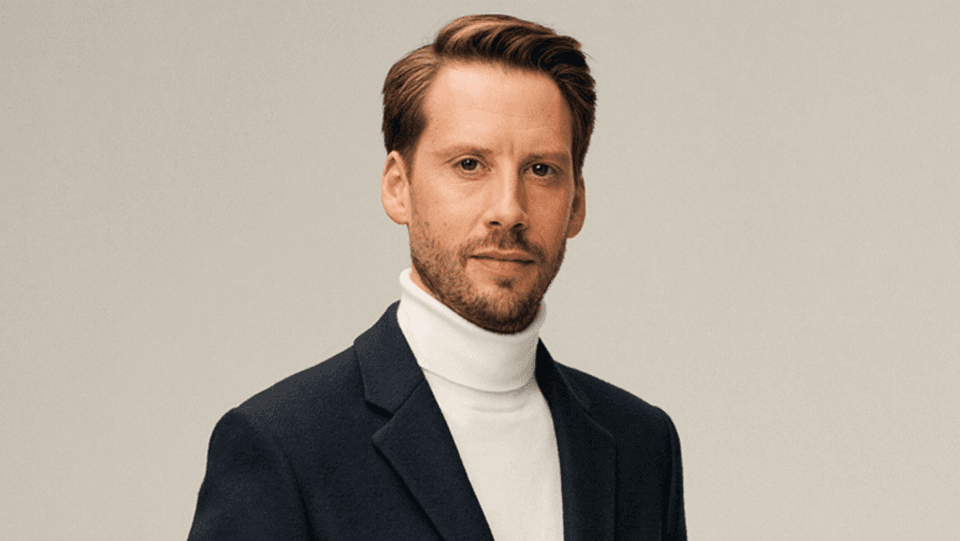
Daniel Ervér, CEO of H&M, emphasized the strategic intent behind the initiative:
“We are excited to start this dialogue that connects different voices and perspectives from across the fashion world. The Insights Board is a unique opportunity to listen, gain new insights and explore how we can move both ourselves and the fashion industry forward.”
Alongside the governance initiative, H&M and McCartney have collaborated on a Spring 2026 collection featuring certified and recycled materials, signaling how insights from the board may translate into commercial product lines.
What It Means For Executives And Investors
For C-suite leaders and investors, the board reflects a deeper structural shift in how fashion companies approach ESG. Governance is moving beyond internal committees toward external, multi-stakeholder frameworks that incorporate cultural, technological, and consumer-facing perspectives.
This approach can strengthen credibility but also introduces accountability risks. Public-facing advisory groups create expectations for measurable progress, particularly on material sourcing, emissions, and circularity outcomes.
From a capital markets perspective, initiatives like this may influence brand valuation and investor confidence, especially as ESG disclosures become more standardized and comparable across the sector.
Global Implications For Fashion’s ESG Trajectory
The launch of H&M’s Insights Board illustrates how large-scale retailers are adapting to a more complex ESG landscape, where sustainability is intertwined with governance, innovation, and brand identity.
As policy frameworks tighten and consumer expectations evolve, collaborative models like this are likely to become more common. The challenge will be converting dialogue into measurable impact across global supply chains.
For an industry under increasing scrutiny, the test is no longer whether sustainability is addressed, but how quickly it can be operationalized at scale without compromising commercial viability.
Follow ESG News on LinkedIn