
Canada Commits $2.7B To Expand Protected Lands And Oceans To 30% By 2030
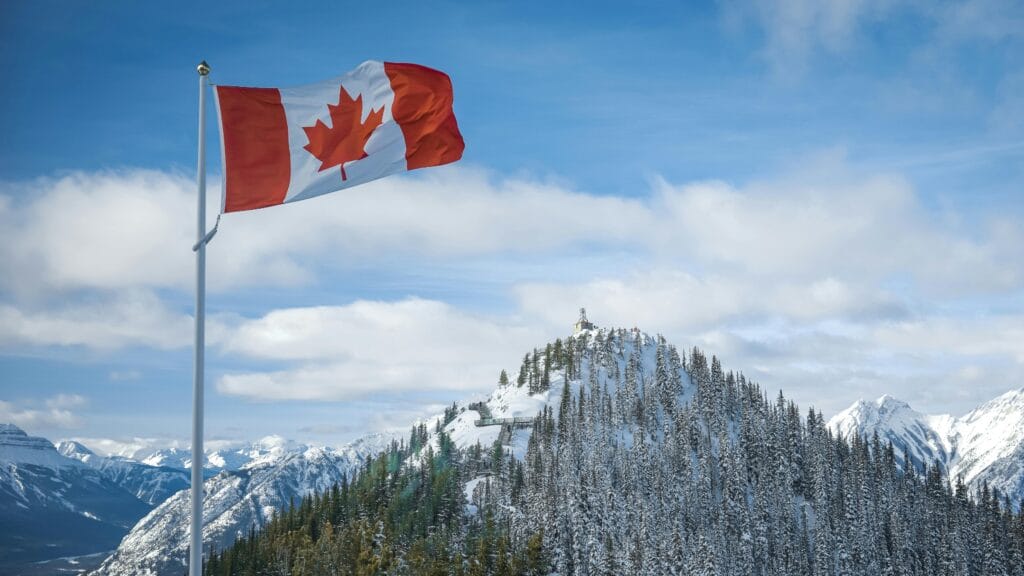
- Canada will protect at least 1.6 million sq km of land and up to 700,000 sq km of ocean within four years, one of the largest conservation expansions globally
- The plan lifts terrestrial protection from 14% to 30% and marine protection from over 15% to 28%, aligning with global biodiversity targets
- Federal funding will support new national parks, marine conservation areas, and urban parks, reshaping land use and resource governance
The federal government of Canada has unveiled a C$3.8 billion ($2.74 billion) nature strategy that aims to double the country’s protected land and water footprint by the end of the decade, positioning the country among the most aggressive adopters of global biodiversity commitments.
Prime Minister Mark Carney confirmed the plan, outlining a multi-year expansion of conservation zones across terrestrial and marine ecosystems. The initiative is designed to accelerate progress toward the internationally backed goal of protecting 30% of land and oceans by 2030, often referred to as the “30×30” target.
“This will protect at least 1.6 million square kilometres of land and up to 700,000 square kilometres of ocean over the next four years,” Carney said, emphasizing both the scale and urgency of the rollout.

Expanding Conservation Infrastructure
The strategy allocates funding for a broad pipeline of new conservation assets. Ottawa plans to establish up to 14 new marine protected and conserved areas, alongside at least 10 national parks and freshwater marine conservation areas. Additional commitments include up to 10 further marine conservation zones and 15 national urban parks.
The inclusion of urban parks reflects a shift in conservation policy toward accessibility and social equity, bringing protected environments closer to population centers while maintaining ecological integrity.
From a governance standpoint, the expansion introduces new layers of land-use regulation, particularly across regions tied to resource extraction, infrastructure development, and Indigenous stewardship. These decisions are expected to shape permitting timelines, project approvals, and long-term investment strategies across sectors.
Strategic Importance Of Canada’s Natural Assets
Canada’s ecological baseline gives the initiative outsized global relevance. The country holds approximately 20% of the world’s freshwater resources, 37% of its lakes, and 25% of its wetlands. Its boreal forests account for nearly a quarter of the global total, and its coastline is the longest in the world.
Protecting these assets carries implications well beyond national borders. Boreal forests act as major carbon sinks, while wetlands and freshwater systems are critical for biodiversity resilience and climate adaptation.
For investors and corporates, the expansion signals tightening environmental thresholds in a country already central to global mining, energy, and agriculture supply chains.
RELATED ARTICLE: Canada Pulls Back EV Sales Target, Tightens Emissions Rules
Finance And Policy Alignment
The C$3.8 billion allocation places conservation firmly within fiscal policy, rather than treating it as a peripheral environmental issue. The scale of funding indicates that biodiversity protection is being integrated into national economic planning, alongside climate mitigation and energy transition strategies.
The plan also aligns Canada with global frameworks such as the Kunming-Montreal Global Biodiversity Framework, which has elevated nature protection to the same strategic level as carbon reduction in ESG portfolios.
For institutional investors, this raises expectations around nature related risk disclosure, land use impacts, and alignment with biodiversity targets. Companies operating in Canada may face increasing scrutiny over their ecological footprint, particularly in sensitive regions.
What Leaders And Investors Should Watch
The expansion of protected areas will likely reshape the balance between conservation and development, especially in sectors dependent on land access. Mining, forestry, and infrastructure projects may encounter new constraints, while opportunities could emerge in conservation finance, carbon markets, and nature-based solutions.
Executives should anticipate evolving regulatory frameworks tied to biodiversity metrics, alongside growing pressure from stakeholders to demonstrate alignment with both climate and nature goals.
At a global level, Canada’s move sets a benchmark for developed economies with large natural resource bases. It reinforces the idea that biodiversity is no longer a secondary ESG pillar but a central component of economic strategy.
As countries prepare to scale their own conservation efforts, Canada’s approach offers a clear signal: protecting nature at scale is becoming a defining test of policy credibility and long-term economic resilience.
Follow ESG News on LinkedIn

The ESG News Editorial Team is comprised of veteran financial journalists and sustainability analysts dedicated to providing real-time, objective reporting on global ESG regulations, climate finance, and corporate governance. Our desk monitors daily developments from the SEC, IFRS, CSRD and international regulatory bodies to ensure our 1M+ readers receive accurate, data-driven insights into the evolving sustainable investment landscape. Follow the ESG News Editorial Team for expert reporting on global sustainability standards, ESG disclosures, and climate policy. Access over 10,000 investigative reports and real-time updates.