
Abu Dhabi Advances Global Water Diplomacy Ahead of 2026 UN Water Conference
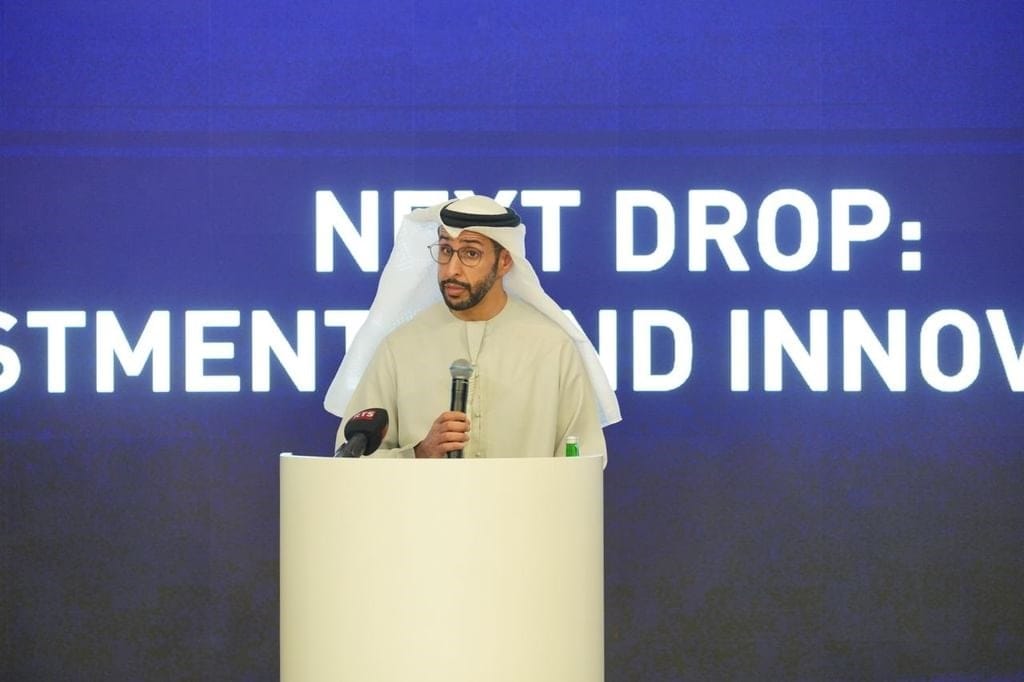
- UAE intensifies convening power on water diplomacy, finance and governance as it prepares to co-host the 2026 UN Water Conference with Senegal.
- High level sessions during ADSW focused on unlocking capital, scaling technology and strengthening agrifood and climate resilience through water systems.
- Outcomes will feed into the 2026 preparatory process, shaping policy, investment priorities and multilateral cooperation across government, private finance and development institutions.
The United Arab Emirates moved to deepen its global water diplomacy agenda during Abu Dhabi Sustainability Week 2026, convening government, finance, agrifood and civil society leaders to accelerate cooperation ahead of the 2026 United Nations Water Conference.
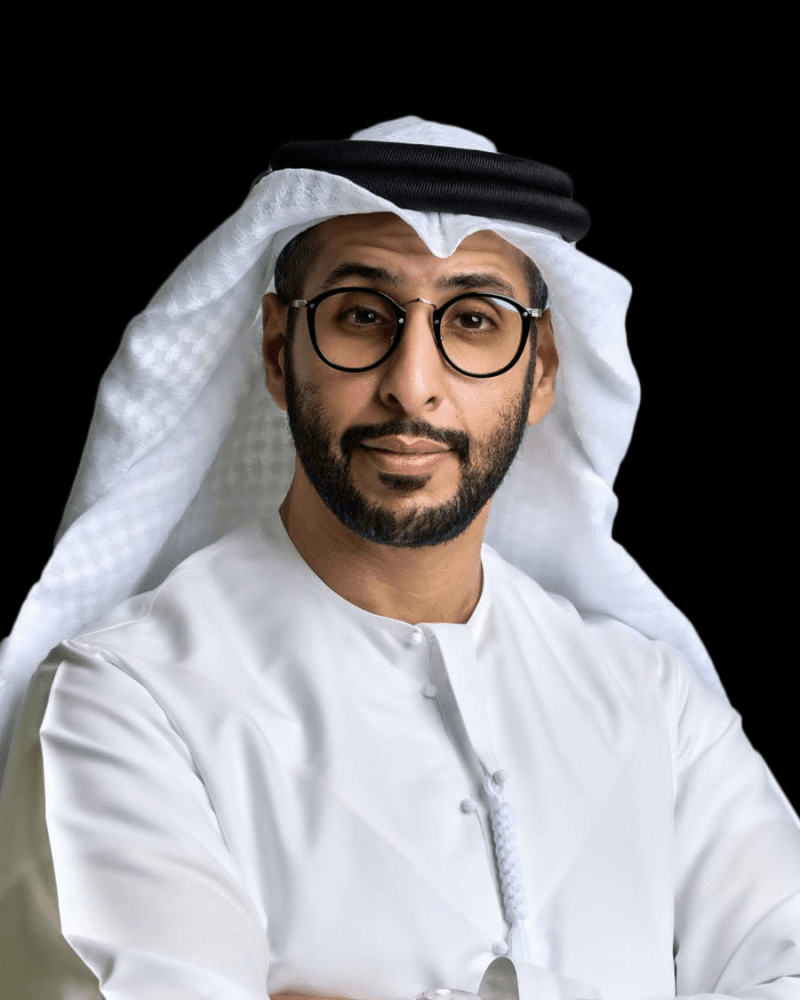
The Ministry of Foreign Affairs led the effort through Abdulla Balalaa, Assistant Minister for Energy and Sustainability, who framed water as both a climate risk and a strategic economic priority that demands new coalitions and financial architectures. Over the course of the week, Balalaa engaged presidents, ministers, finance executives, youth networks and technology innovators to translate political momentum into investment and systems level coordination before the Conference, which the UAE will co host with Senegal in late 2026.
Water as Diplomacy, Development and Economic Risk
Balalaa’s interventions placed governance and finance at the center of the discussion, challenging the traditional framing of water as a development issue.
“Water is no longer just a development issue. It is a fundamental economic risk and opportunity. We need to move from fragmented projects to systems change. That means long term de risked investments, better governance, and better utilisation of innovative technologies through enhanced public private collaboration,” he said.
The UAE’s positioning reflects a wider shift in international climate and development diplomacy. Water infrastructure and water security shape economic competitiveness, food systems, urban resilience, critical manufacturing inputs and geopolitical stability, particularly in regions exposed to climate volatility and population growth. For investors and development finance institutions, the category now spans blended finance, industrial technology, data platforms, desalination, efficiency solutions, agrifood innovation and adaptation.
High Level Engagement and Finance Dialogue
On the sidelines of the week, Balalaa met with Senegalese President Bassirou Diomaye Faye, who participated in the high level dialogue “Next Drop: Water Investments and Innovation.” The session was organised by the Ministry of Foreign Affairs in collaboration with Masdar and the Global Climate Finance Centre.
The dialogue convened ministers of water and energy, CEOs from financial institutions, multilateral development banks, commercial banks, philanthropies and technology companies. Participants examined regulatory and policy innovation, capital mobilisation and emerging technologies to enhance global water resilience. Discussions built on UAE led consultations following the July 2025 adoption of the interactive dialogue themes for the 2026 Conference, including a new theme on Investments for Water covering financing, technology, innovation and capacity building.
The emphasis on capital pathways is notable. Water assets have historically lacked clear investment models, bankable project pipelines and long term risk allocation structures. The UAE’s convenings sought to address these constraints by linking public and private capital, clarifying governance incentives and building cross border cooperation that can crowd in finance.
RELATED ARTICLE: Abu Dhabi Awards Sustainability Labels to Private Sector Leaders at ADSW 2026
Water, Agrifood and Climate Systems
The Ministry of Foreign Affairs also co hosted a closed door roundtable on Water and Agrifood Systems with the Eurasia Group. The discussion centred on the interdependency of water, food security and climate adaptation, which is becoming a defining axis of global sustainability challenges.
“Water is the future of food. As we look ahead to the 2026 UN Water Conference, it is clear we need a new model for water agriculture cooperation that balances risk, drives innovation and centers climate resilience. The UAE is committed to building these bridges,” Balalaa said.
The framing carries implications for producers, traders, logistics firms, development banks and sovereigns. Agrifood supply chains are increasingly exposed to water constraints, unrest and climate stress, which in turn affect trade balances, inflation and political stability. Solutions span irrigation technologies, crop switching, data analytics, water rights governance, farmer finance and insurance.
Implications for Policy, Finance and Multilateral Cooperation
Outcomes from the ADSW dialogues will inform the High Level Preparatory Meeting for the 2026 UN Water Conference in Dakar on 26 to 27 January and contribute to the UAE’s national and multilateral roadmap. Priority areas include investment frameworks, governance alignment, youth leadership and food water systems.
For C suite and investor audiences, the evolving agenda suggests water will move deeper into climate finance, adaptation and geopolitical risk analysis. It also places the category in closer proximity to agrifood, technology and infrastructure investment, where blended instruments and public private partnerships are expanding.
The UAE’s strategy illustrates how sustainability diplomacy is shifting from pledges to systems design. With Senegal as co host, the 2026 UN Water Conference is positioning water as a global economic, climate and security challenge, with implications for development policy, supply chains, capital markets and national planning.
Follow ESG News on LinkedIn