
Abu Dhabi Finance Week Advances Global Asset Management Strategy
• NYU Stern at Abu Dhabi releases its first Financial Centre Competitiveness Index ranking the emirate No. 1 in MENA and 12th globally
• Global asset managers, sovereign investors, and family offices outline future capital flows, technology pressures, and intergenerational wealth dynamics
• Abu Dhabi announces new FinTech, insurance, digital assets, and alternative investment cluster to expand its financial ecosystem
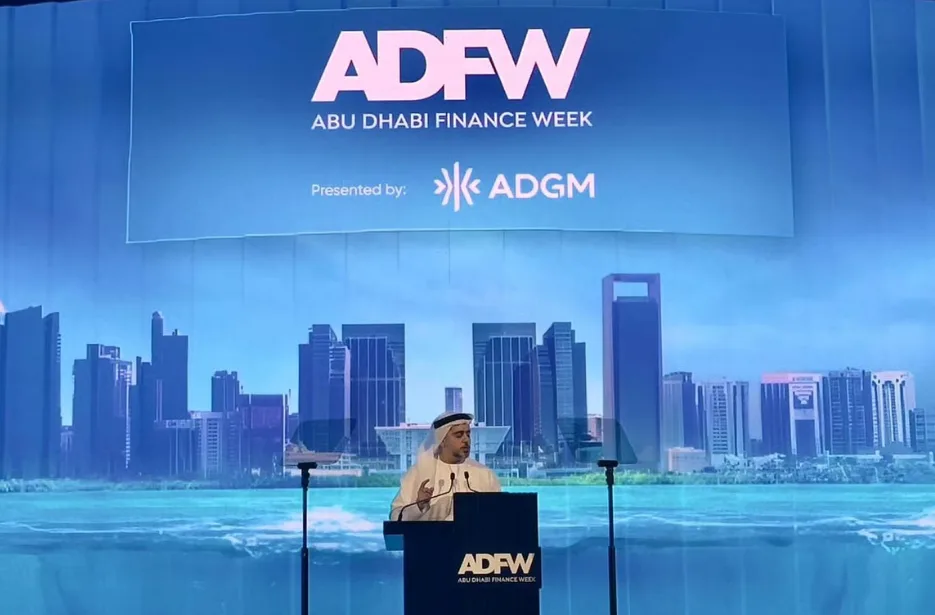
The second day of Abu Dhabi Finance Week opened with a clear intent: position the emirate as a central force in the reordering of global capital. Asset Abu Dhabi, the anchor program hosted by Abu Dhabi Global Market, convened major allocators and policymakers for an examination of the pressures, risks, and opportunities shaping tomorrow’s financial system.
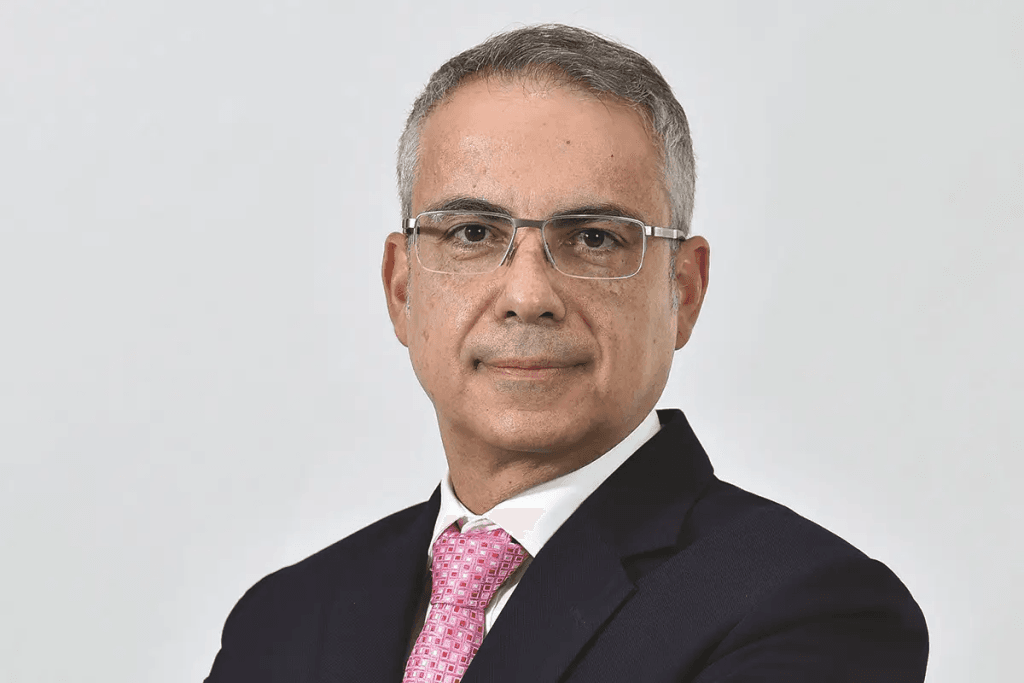
Emmanuel Givanakis, CEO of the Financial Services Regulatory Authority at ADGM, opened the day with a message that reflected Abu Dhabi’s rising ambition in asset management. He said the emirate is redefining the sector through a mix of regulatory strength, innovation, and its growing weight as a global capital hub.
“Asset Abu Dhabi reflects the growing convergence of global capital and innovation, convening the world’s most sophisticated asset managers at a time of profound change in finance,” he said. “It stands as a symbol of Abu Dhabi’s emergence as a trusted hub in the reengineering of global capital networks and the future of asset management.”
The day’s agenda moved through hedge funds, private equity, sovereign investment flows, real assets, and the intersection of innovation, liquidity, and sustainability. The backdrop was clear: institutional capital is being reshaped by technological disruption, geopolitical uncertainty, and a renewed search for resilient long-term returns.
Macro Shifts and Market Strategy From Global Investors
Some of the world’s leading investment executives joined to outline how capital allocation will evolve as macro cycles turn and technology accelerates.
Todd Boehly of Eldridge Industries, Robert Smith of Vista Equity Partners, Sir Christopher Hohn of TCI Fund Management, and Hussain Sajwani, founder of DAMAC, discussed how emerging technologies, shifting supply chains, and geopolitical realignment are influencing risk pricing and investment horizons.
Attention then moved to the hedge fund landscape. Brevan Howard CEO Aron Landy, Shiv Srinivasan, CIO of Hedge Funds at the Abu Dhabi Investment Council, and Man Group CEO Robyn Grew explored how data architecture, artificial intelligence, and predictive analytics are transforming performance management. They pointed to a market where volatility is increasingly a source of opportunity rather than instability.
Another session focused on the coming intergenerational wealth shift. Bank Julius Baer CEO Stefan Bollinger and Raffles Family Office CEO Chi Man Kwan addressed how an estimated eighty four trillion dollars in wealth transfer will influence capital markets, philanthropic priorities, and global asset allocation.
Abu Dhabi’s Competitiveness Rises With New Global Index
A major development came with the release of the inaugural NYU Global Financial Centre Competitiveness Index from Stern at NYU Abu Dhabi. Bruno Lanvin of the Descartes Institute for the Future and Robert Salomon, Dean at Stern NYUAD, unveiled the rankings, positioning New York, London, and Singapore at the top.
Abu Dhabi, however, delivered the surprise of the report: No. 1 in the Middle East and North Africa, and No. 12 globally. The index placed the emirate above Dubai, Riyadh, and Doha, driven by regulatory innovation, institutional stability, and business incentives. Abu Dhabi ranked first worldwide for Regulatory Innovation, fifth for Institutional Environment, and third for Business Support Incentives.
Lanvin noted that Abu Dhabi’s rise is the product of deliberate economic strategy and governance discipline. The index reflects the emirate’s growing influence in global finance and its capacity to attract capital and talent.
RELATED ARTICLE: ADFW 2025 Announces Speakers and Agenda – Abu Dhabi Finance Week Update
Family Offices, Private Credit, and Infrastructure Finance Take Center Stage
ADFW also hosted the International Family Office Congress, bringing together leading voices including Ray Dalio, Bhanu Baweja of UBS Investment Bank, Daniel Pinto of Stanhope Capital Group, Arjun Raghavan of Partners Capital, Henry Lawson-Johnston of Guggenheim Brothers Media, Benjamin Cavalli of UBS Global Wealth Management, Adrian Cheng of New World Development, and Jim Mellon of Agronomics. They examined shifts in private capital, impact investing, and the role of Abu Dhabi as a base for generational wealth planning.
The AIMA Private Credit Summit explored lending structures, direct versus syndicated markets, infrastructure financing, and allocation plans for 2026 amid rising demand for non-bank capital.
A new Infrastructure Summit examined long-term investment strategies across energy, transport, urban development, and digital networks. Discussions focused on how sustainability requirements and emerging technologies are reshaping infrastructure portfolios and long-term value creation.
Abu Dhabi Expands Its Financial Ecosystem
A headline development came from His Highness Sheikh Khaled bin Mohamed bin Zayed Al Nahyan, who approved the launch of the FinTech, Insurance, Digital and Alternative Assets (FIDA) cluster. The initiative, led by the Abu Dhabi Department of Economic Development and the Abu Dhabi Investment Office, is designed to accelerate the emirate’s next phase of financial innovation and investment capability.
Several international firms also formalized new commitments. Circle Internet Group secured a Financial Services Permission from ADGM’s regulator to operate as a Money Services Provider. BBVA received In Principle Approval to expand corporate and investment banking services, strengthening its role with institutional clients across the region.
The Global Implications
For global asset managers, sovereigns, and financial policymakers, the message was direct: Abu Dhabi is positioning itself as a core node in the future of global finance. With regulatory innovation, a growing private capital ecosystem, and a strategy tied to diversification and sustainability, the emirate is shaping how institutional capital will flow across markets.
As investors navigate macro uncertainty, technological transformation, and climate-related pressures, the developments at ADFW illustrate how regional financial centres are redefining global competitiveness. The direction set in Abu Dhabi will influence cross-border investment pathways and the architecture of capital markets in the decade ahead.
Follow ESG News on LinkedIn