Anew, Avenir Deliver First Bio LNG Fuel For Ships In Europe
• First joint Bio LNG bunkering in Europe establishes a scalable low carbon fuel pathway aligned with FuelEU Maritime and RED III regulations
• Operation connects Lithuania and Sweden supply chain, supporting passenger ferry decarbonization without vessel retrofits
• Signals growing commercial viability of certified biomethane as shipping faces EU ETS and IMO emissions requirements
Anew Climate and Avenir have completed their first joint Bio LNG bunkering operation in Europe, advancing the use of low carbon fuels in commercial shipping. The operation took place at the LNG terminal in the Port of Klaipėda, delivering certified waste based Bio LNG into active use across the Baltic Sea.
Building A Cross Border Supply Chain
Anew Climate supplied certified Bio LNG to an Avenir-operated vessel, which transported the fuel to Sweden for use by vessels operated by Destination Gotland. The transaction demonstrates how biomethane can move through existing LNG infrastructure, connecting production and end use across European markets without requiring new systems.
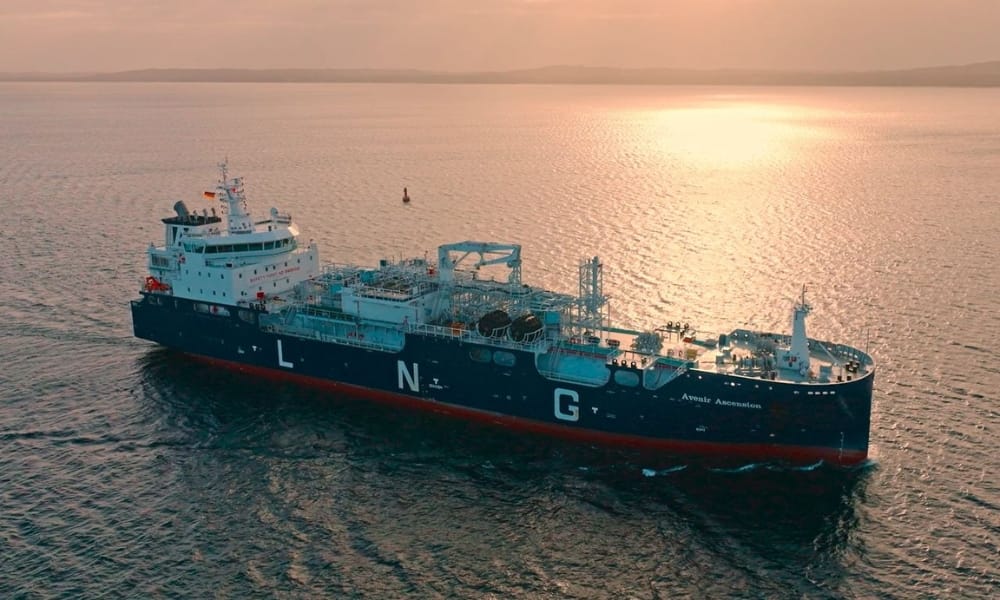
The vessel used, Avenir Ascension, is part of Avenir’s fleet of LNG bunker and supply vessels operating across Northwest Europe. It conducts more than 200 operations annually, supplying LNG and Bio LNG to marine and industrial customers, particularly in the Baltic region.
For Anew Climate, the operation marks its first Bio LNG bunkering project in Europe, following earlier deployments in North America. The move reflects a broader push to build global supply chains capable of supporting maritime decarbonization at scale.
A Practical Route To Compliance
The Bio LNG supplied is sourced from Anew’s biomethane portfolio and is designed to deliver low or negative lifecycle carbon intensity. It complies with key European frameworks including FuelEU Maritime and RED III, allowing shipowners to reduce emissions without modifying vessels or bunkering systems.
This compatibility is becoming critical as maritime operators face tightening regulatory requirements, including the EU Emissions Trading System and evolving International Maritime Organization frameworks.
John Cosmo Dwelle, Managing Director at Anew Climate Europe, said: “Greening shipping is not a future ambition it is happening today. By combining our expanding renewable gas network with Avenir’s maritime infrastructure, we are delivering robust, fully certified Bio LNG supply chains that are practical, flexibly accessible, and aligned with regulatory requirements. We are proud to launch our first initiative with Avenir as we expand our Bio LNG offering globally.”

RELATED ARTICLE: Anew Climate Acquires P6 Carbon Intensity Technology
Commercial Momentum Meets Policy Pressure
The partnership reflects increasing alignment between fuel suppliers, logistics providers and vessel operators as decarbonization timelines accelerate. Bio LNG is gaining traction as a near term solution that allows operators to meet emissions targets while maintaining existing operations.
Jonathan Quinn, Managing Director at Avenir, said: “Bio LNG plays a crucial role in reducing emissions from shipping today. This transaction with Anew strengthens our ability to deliver reliable, traceable Bio LNG solutions, directly supporting our customers as they reduce emissions and progress on their decarbonization pathways.”
Destination Gotland, a Swedish ferry operator, is increasing its use of Bio LNG as part of its compliance strategy.
Henry Hammarström, senior energy and climate strategist and head of sales at Gotland Carbon Solutions, said: “We are happy to see Bio LNG delivered to our vessels through Anew Climate and Avenir. For 2026, we are increasing Destination Gotland’s use of Bio LNG in order to support FuelEU Maritime compliance of vessels that need support to comply with the greenhouse gas criteria of the regulations through pooling.”
What This Means For Executives And Investors
For shipping executives and investors, the operation highlights a shift from future planning to immediate implementation. Infrastructure, certification and supply chains are now aligned to support emissions reductions using existing assets.
Bio LNG offers a lower risk pathway by avoiding costly retrofits while supporting compliance with European climate regulations. This combination is accelerating adoption, particularly in regions where policy enforcement is advancing fastest.
The broader implication is strategic. Companies securing access to certified low carbon fuels today are better positioned to manage regulatory exposure and cost pressures as global shipping standards continue to evolve.
Follow ESG News on LinkedIn

The ESG News Editorial Team is comprised of veteran financial journalists and sustainability analysts dedicated to providing real-time, objective reporting on global ESG regulations, climate finance, and corporate governance. Our desk monitors daily developments from the SEC, IFRS, CSRD and international regulatory bodies to ensure our 1M+ readers receive accurate, data-driven insights into the evolving sustainable investment landscape. Follow the ESG News Editorial Team for expert reporting on global sustainability standards, ESG disclosures, and climate policy. Access over 10,000 investigative reports and real-time updates.