
DHL, Westwing Expand Low Carbon Logistics Partnership To Accelerate European E Commerce Delivery
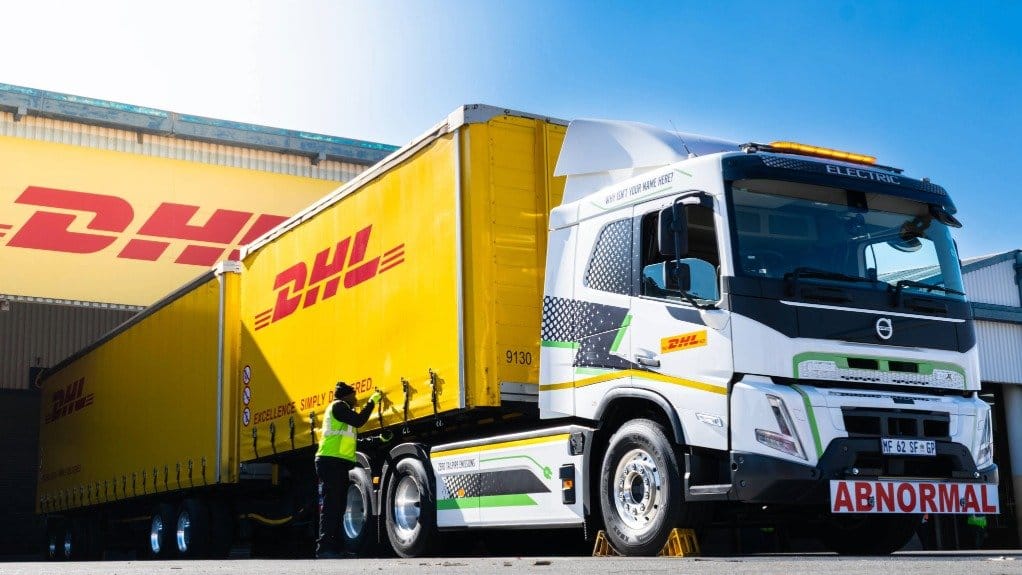
- DHL will increase its share of Westwing parcel volumes while introducing GoGreen Plus shipping using sustainable fuels, electric vehicles, and renewable energy investments.
- All DHL fulfilled Westwing shipments now use paper based packaging, reducing plastic use across last mile logistics.
- A new DHL International Logistics Center in Poland aims to shorten delivery times to as little as two days, linking operational efficiency with emissions reduction goals.
Logistics Partnerships Move Deeper Into Decarbonization
DHL Group and home and living e commerce platform Westwing have expanded their long running delivery partnership, combining faster fulfillment with lower carbon logistics as European retailers face growing pressure to cut supply chain emissions. The collaboration places DHL’s GoGreen Plus service at the center of Westwing’s premiumization strategy, aligning delivery performance with climate commitments and evolving customer expectations.
Under the agreement, DHL will handle a larger portion of Westwing’s parcel volumes in Germany while shifting shipments toward emission reduced delivery solutions. The GoGreen Plus model relies on insetting and a book and claim system that allocates the environmental benefits of sustainable fuels to participating customers, even when their specific shipments are not transported on low emission assets. Investments tied to the program include electric delivery vehicles, renewable energy infrastructure, and alternative fuels across DHL’s logistics network.
Valentin Dessel, Key Account Manager Post & Parcel Germany at DHL Group, said: “We are thrilled to strengthen our partnership with Westwing. Together we look forward to delivering exceptional shipping services and supporting our customers’ values through GoGreen Plus.”
Packaging And Last Mile Strategy Reflect ESG Pressure
A visible shift in the partnership is the move toward fully paper based packaging materials for DHL fulfilled Westwing orders, limiting the use of plastic across last mile deliveries. The change mirrors a broader push among European retailers to address Scope 3 emissions tied to packaging and logistics.
Westwing is also expanding flexible delivery models. The companies introduced a Pick Up Drop Off service across Germany, allowing customers to receive parcels at lockers and drop off points rather than at home addresses. Initially focused on permanent product assortments, the PUDO option is scheduled to extend across the full product portfolio this year, offering a logistics pathway that reduces failed delivery attempts and associated emissions.
Erick Gerber, Chief Operations Officer at Westwing, added: “At Westwing, operational excellence and sustainability go hand in hand. By expanding our collaboration with DHL and making use of GoGreen Plus, we are not only making our supply chain faster, but also less carbon-intensive. This initiative represents an important milestone in our sustainability strategy and a further step towards offering our customers an even higher-quality service experience, and this is only the beginning.”
RELATED ARTICLE: DHL Express Global Survey Highlights Sustainability as Strategic Priority for SMEs
Infrastructure Investment Signals Competitive Logistics Shift
DHL’s strategic investment in a new International Logistics Center in Poland, located roughly two kilometers from Westwing’s European Logistics Center near Poznań, highlights how infrastructure decisions increasingly carry ESG implications. By positioning sorting and distribution capacity closer to fulfillment hubs, DHL expects to reduce transport times and streamline parcel handling.
Westwing was among the first partners to secure access to the facility, enabling faster order processing and cross border distribution throughout Europe. DHL estimates some deliveries to German customers could arrive within two days, an improvement likely to strengthen customer retention while lowering operational inefficiencies that drive emissions intensity.
For executives and investors, the partnership reflects a wider trend in which logistics providers are monetizing decarbonization services as premium offerings. Retailers face mounting regulatory scrutiny under European sustainability frameworks and growing demand from consumers for transparent climate action. Book and claim models, while still debated in policy circles, are emerging as transitional tools that help companies account for emission reductions without waiting for full infrastructure transformation.
What Leaders Should Watch As E Commerce Logistics Evolves
The DHL Westwing expansion demonstrates how sustainability commitments are shifting from marketing narratives to operational contracts tied to performance metrics and delivery speed. For corporate leaders, the move illustrates how logistics partnerships can influence brand positioning, customer loyalty, and ESG reporting outcomes simultaneously.
Investors monitoring the European e commerce sector should note how delivery infrastructure and packaging choices are becoming core differentiators, particularly as companies pursue premium positioning while managing carbon footprints. Governments across the EU continue to tighten expectations around emissions disclosure and supply chain transparency, raising the stakes for retailers that rely heavily on parcel networks.
As DHL and Westwing deepen integration across logistics infrastructure, sustainable fuels, and flexible delivery models, their collaboration offers a snapshot of how global e commerce supply chains may evolve. The convergence of efficiency, governance priorities, and climate strategy suggests that future competitive advantage will depend less on scale alone and more on how effectively companies align operational speed with credible emissions reduction pathways.
Follow ESG News on LinkedIn