
EU Sets Binding 90 Percent Emissions Cut Target for 2040

• EU lawmakers agree on a binding 90 percent net emissions reduction target for 2040, shaping the bloc’s pathway to climate neutrality by 2050.
• Deal introduces expanded use of international carbon credits, domestic carbon removals, and sector flexibilities, while postponing ETS2 to 2028.
• Commission required to review progress every two years, with potential revisions to safeguard competitiveness, energy security, and social stability.
EU negotiators reached a provisional agreement to rewrite the European Climate Law and introduce a binding 90 percent cut in net greenhouse gas emissions by 2040 compared with 1990 levels. The accord, struck late Tuesday between the European Parliament and Council, sets the course for the bloc’s next two decades of decarbonization and lays out new tools, flexibilities and safeguards aimed at balancing climate ambition with industrial competitiveness.
The Commission described the outcome as “a pragmatic and flexible pathway to 2040 that reflects today’s economic and geopolitical realities.” Climate Commissioner Wopke Hoekstra said: “This agreement is pragmatic and ambitious, delivering speed, predictability, and flexibility. Above all, it shows that climate, competitiveness and independence go hand in hand and sends a powerful message to our global partners.”

The amended law sits between the EU’s 55 percent reduction target for 2030 and its legally binding goal of climate neutrality by 2050. European officials said the new target is designed to retain credibility on global climate leadership while responding to pressure from several member states that argued the transition must better account for energy prices, economic resilience and strategic dependencies.
Expanded Flexibility Through Carbon Credits and Removals
Central to the compromise is the expanded role for high quality international carbon credits. From 2036, up to five percentage points of the 90 percent reduction can come from international credits aligned with the Paris Agreement. This goes beyond the Commission’s initial proposal of three percentage points. Parliament added safeguards to prevent the EU from supporting projects in partner countries that run contrary to strategic interests.
The agreement also opens space for a pilot phase between 2030 and 2035 to help build a high integrity global carbon credit market. The Commission will assess various options for integrating international credits into future climate legislation, while stressing the need to safeguard the stability of the EU Emissions Trading System.
Beyond international credits, the deal expands the role of domestic permanent carbon removals. These can be used within the ETS to compensate for hard to abate emissions, allowing sectors such as heavy industry to manage decarbonisation pathways that are constrained by current technologies. Member states will also gain broader flexibility across sectors to meet targets in the most cost effective way.
RELATED ARTICLE: EU Parliament Moves to Delay and Reassess Supply Chain Deforestation Law
Delay to ETS2 and Implications for Households and Transport
Negotiators agreed to postpone ETS2 by one year to 2028. This extension of the EU carbon market will cover CO2 emissions from fuel use in buildings and road transport. The delay reflects concerns about energy price volatility and the political sensitivity of extending carbon costs to households. Several governments had argued that a slower rollout would give national authorities more time to prepare social protections and efficiency programmes.
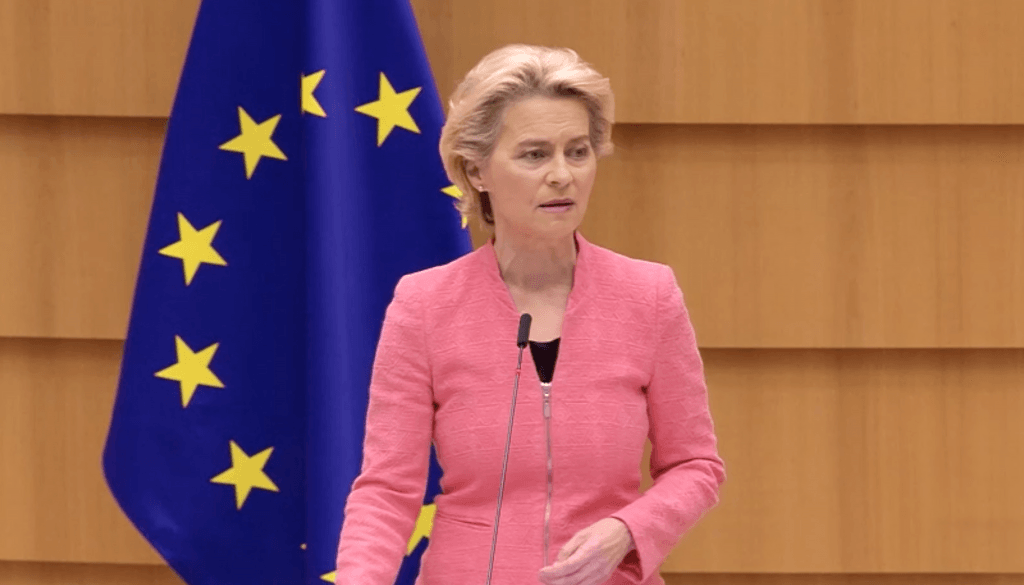
The Commission reiterated that competitiveness and social stability form part of the assessment framework. European Commission President Ursula von der Leyen said: “Today, the EU is showing our strong commitment to climate action and the Paris Agreement. One month after COP30, we have turned our words into action with a legally binding target of 90 percent emissions reduction by 2040. We have a clear direction of travel towards climate neutrality. And a pragmatic and flexible plan to make the clean transition more competitive.”
Biennial Review Required as Technology, Markets and Scientific Evidence Shift
To maintain policy credibility, the Commission must assess progress every two years. Each review must account for the latest scientific findings, technological progress, the status of carbon removals, trends in energy prices and the implications for industrial competitiveness. If the evidence warrants it, the Commission will propose amendments to the Climate Law, including potential adjustments to the 2040 target or additional measures to strengthen the policy framework.
This mechanism responds to calls from several member states that warned against locking in a rigid trajectory during a period of geopolitical uncertainty and rapid technological change. It also offers investors and corporate leaders a structured window into forthcoming policy shifts.
Strategic Implications for Corporate Leaders and Investors
The 2040 target establishes the EU’s interim benchmark for long horizon capital planning. Power producers, industrial manufacturers, fleet operators and real estate owners now face a clearer trajectory for emissions constraints, carbon pricing exposure and compliance expectations. The expanded role of removals and international credits could create new demand for high integrity carbon markets, though the safeguards and pilot phase indicate the EU will treat quality as a strategic asset rather than an afterthought.
For investors, the biennial review process introduces a layer of policy dynamism that requires close monitoring. The interaction between energy prices, competitiveness and climate ambition will shape the regulatory environment in which European companies operate.
Next Steps
The provisional agreement now moves to a Parliament vote and requires formal Council endorsement. Once adopted, the amendment will enter into force 20 days after publication in the EU Official Journal.
As global climate negotiations intensify ahead of the next round of NDC updates, the 2040 target positions the EU as one of the first major economies to codify its mid century trajectory into binding law. It offers a signal of strategic continuity for markets while acknowledging that the path to 2050 will require flexibility, technological innovation and careful political management.
Follow ESG News on LinkedIn