Fervo Secures $462 Million to Scale Geothermal and Deliver 24/7 Clean Power
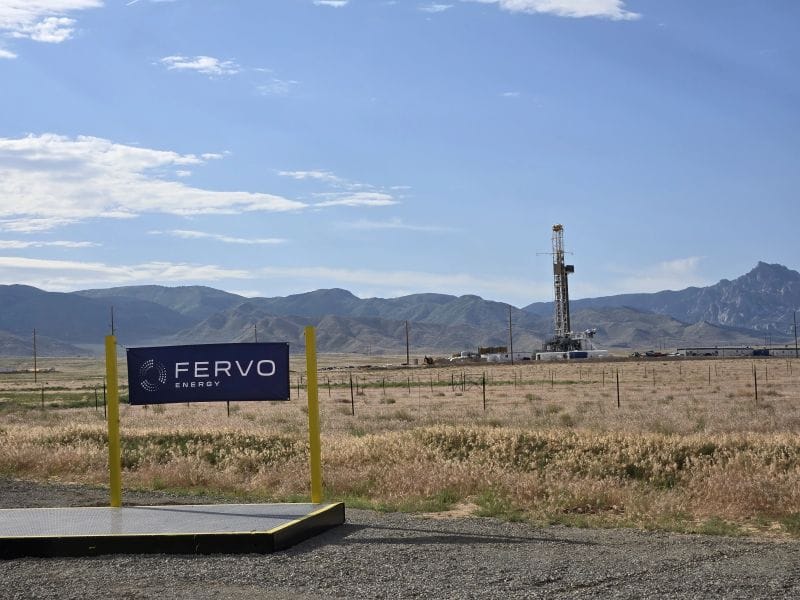
• Fervo closes a USD 462 million oversubscribed Series E to accelerate Cape Station, expected to become the world’s largest next generation geothermal project.
• The financing arrives as US power demand climbs sharply, driven by AI, electrification, and constrained grid capacity.
• New capital positions geothermal as a credible firm power asset class capable of supplying round the clock carbon free electricity at scale.
Utah Project Moves Toward Large Scale Delivery
Fervo Energy has secured USD 462 million in fresh capital to accelerate development of its Cape Station project and advance a pipeline of next generation geothermal sites aimed at supplying the US grid with firm, carbon free power. The oversubscribed Series E round, led by new investor B Capital, arrives at a moment when system planners face a convergence of rising load growth, slow build-out of transmission, and mounting reliability concerns.
Cape Station will deliver its first 100 megawatts to the grid in 2026, with a further 400 megawatts scheduled for 2028. At 500 megawatts total capacity, the development is slated to become the largest next generation geothermal project globally. Fervo says drilling efficiency and project execution continue to improve, with construction progressing ahead of internal benchmarks.
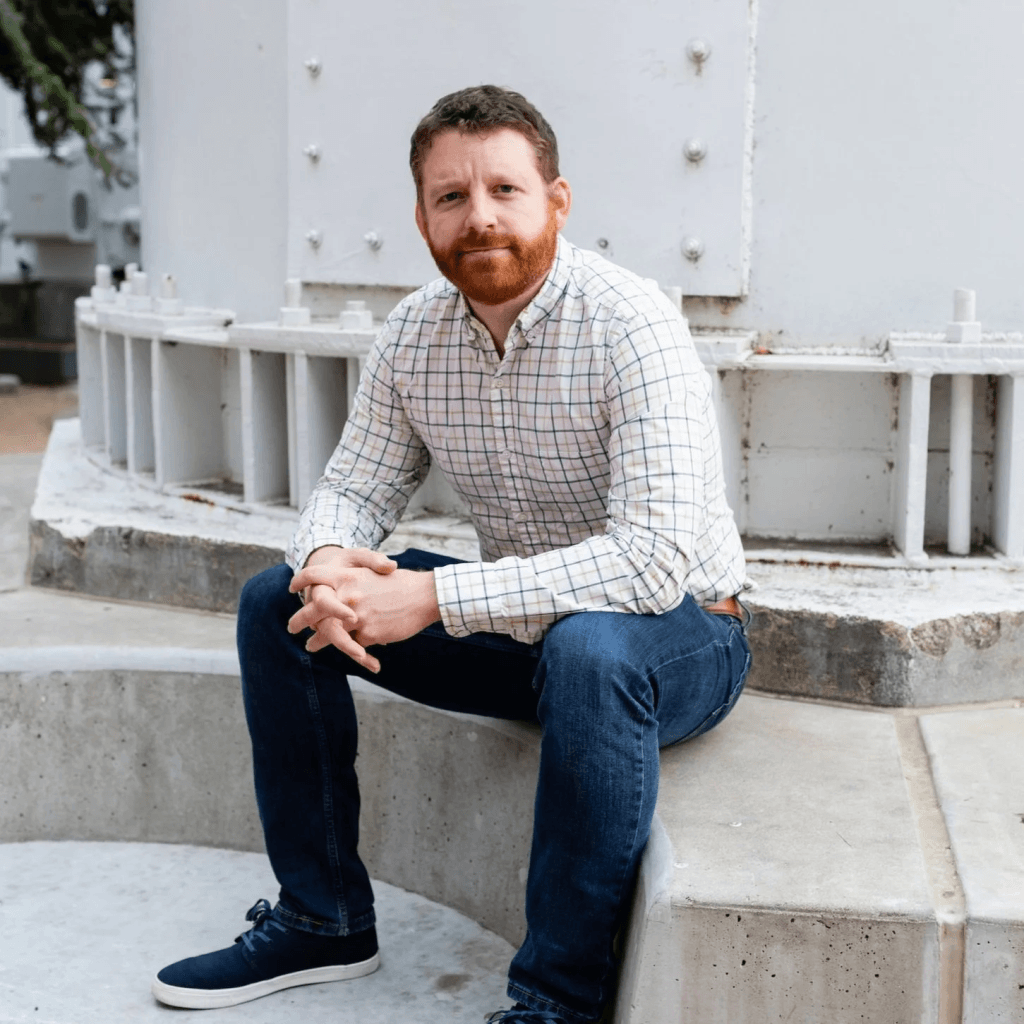
“Energy markets are demanding dependable, carbon free power at an unprecedented scale, and Fervo is uniquely positioned to supply it,” said Tim Latimer, CEO and Co-Founder of Fervo Energy. “This funding sharpens our path from breakthrough technology to large scale deployment at Cape Station and beyond. We’re building the clean, firm power fleet the next decade requires, and we’re doing it now.”
Investor Confidence Grows as Firm Power Scarcity Intensifies
The latest financing reflects growing confidence in enhanced geothermal as utilities, data center operators, and large buyers seek technologies that can deliver renewable electricity on a continuous basis. While wind and solar continue to dominate new builds, the lack of firm, non-fossil generation has become a bottleneck for decarbonisation strategies and for the operational needs of energy intensive digital infrastructure.
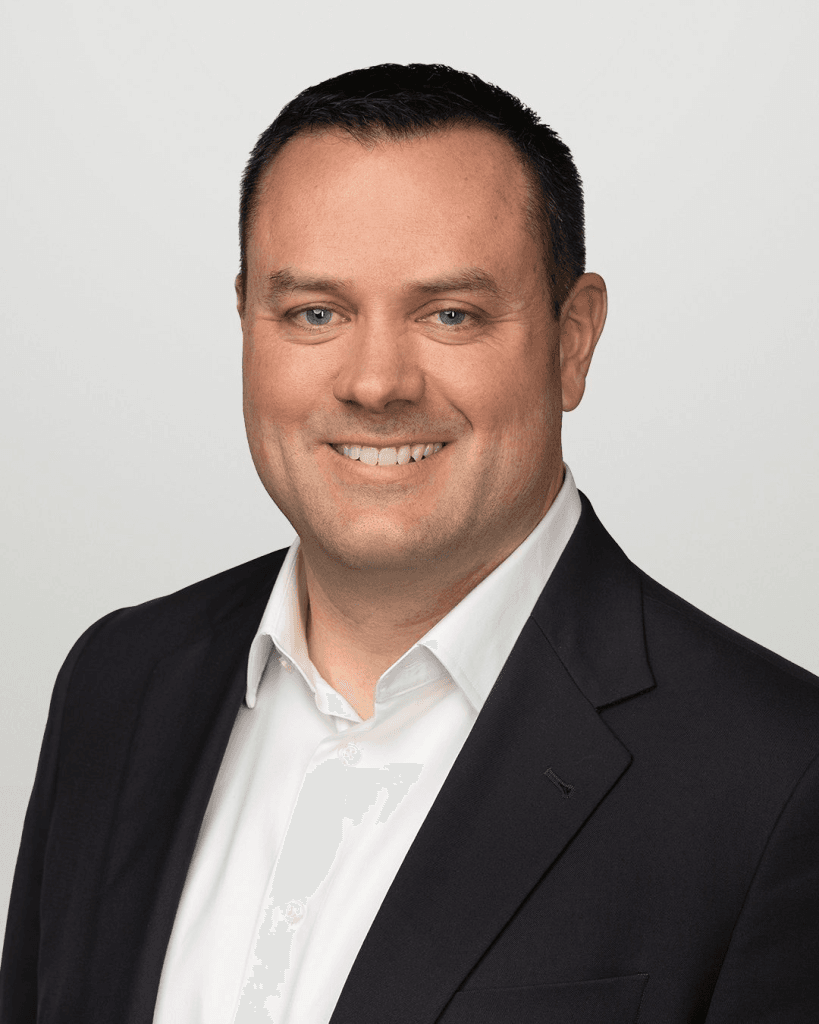
“Fervo is setting the pace for the next era of clean, affordable, and reliable power in the US,” said Jeff Johnson, General Partner at B Capital. “With surging demand from AI and electrification, the grid urgently needs scalable, always-on solutions, and we believe enhanced geothermal energy is uniquely positioned to deliver. We’re proud to support a team with the technical leadership, commercial traction, and leading execution capabilities to bring the world’s largest next generation geothermal project online and make 24/7 carbon free power a reality.”
Fervo’s approach applies drilling and subsurface techniques adapted from the shale industry to unlock geothermal resources in areas traditionally considered uneconomic. This expands the geographical reach of geothermal beyond established hotspots and allows large scale development closer to load centers.
RELATED ARTICLE: Fervo Energy Secures $255 Million to Build World’s Largest Geothermal Power Development
Implications for Policy, Markets, and Long-Term Planning
For regulators and power market operators, the project’s trajectory adds another option to a short list of technologies capable of delivering clean firm supply within this decade. At a time when the US Federal Energy Regulatory Commission, regional transmission organizations, and state energy offices are coordinating responses to reliability warnings, new firm resources carry strategic weight.
Utility procurement teams are also facing pressure from corporate buyers with 24/7 clean energy targets, especially those in data storage, artificial intelligence, manufacturing, and logistics. The emergence of commercially viable geothermal could diversify portfolios that currently rely heavily on natural gas to compensate for renewable intermittency.
Private capital’s role in the sector continues to grow. Geothermal development requires high upfront investment, subsurface expertise, and long project timelines. The scale of Fervo’s Series E suggests that institutional investors are beginning to treat advanced geothermal less as an early stage climate bet and more as an infrastructure category with replicable economics.
What Executives and Investors Should Watch
For corporate sustainability leaders, the relevance lies in the ability to procure carbon free electricity during all hours, not just when the sun shines or wind blows. For investors, key considerations will include well performance, project cost curves, and the pace at which Fervo can standardise and replicate its drilling and reservoir development model across multiple regions.
For policymakers, Cape Station will serve as a proof point for whether next generation geothermal can materially contribute to US decarbonisation without compromising reliability or increasing system costs. If the project delivers on schedule and at the promised performance levels, regulators may begin to incorporate geothermal more explicitly into long-range planning and resource adequacy frameworks.
A Sector Moving Into the Mainstream
The scale of the Series E round and the maturity of Cape Station place geothermal in a new strategic context. The technology is no longer framed solely as a niche renewable resource but as a potential backbone asset for a grid under strain from electrification and digital expansion. Its success will influence procurement strategies, investment flows, and the credibility of 24/7 carbon free electricity as a practical target rather than an aspirational commitment.
Fervo’s ability to translate capital into reliable delivery will shape how quickly geothermal moves from demonstration to mainstream infrastructure. With the US power system entering a period of accelerating load growth, the industry will be watching closely to see whether next generation geothermal can carry a greater share of the clean energy burden in the years ahead.
Follow ESG News on LinkedIn