Google Secures 30 MW Solar PPA in Malaysia to Cut Data Center Emissions

- Google signs one of the first Corporate Green Power Programme PPAs in Malaysia, backing a 29.99 MW solar project scheduled for operation in 2027.
- Deal supports Malaysia’s target to reach 70% renewable power capacity by 2050 while advancing Google’s 24/7 carbon-free energy strategy in Asia.
- Project brings cross-border capital, local partners, and new clean energy jobs into a fossil-heavy regional grid.
Google has signed a long-term power purchase agreement to secure solar electricity from a nearly 30-megawatt project in northern Malaysia, deepening its push to decarbonize energy-intensive operations in one of the world’s most challenging power markets.
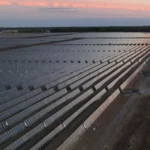
The agreement covers output from a 29.99 MW utility-scale solar plant in Kedah, developed under Malaysia’s Corporate Green Power Programme (CGPP). The project, led by Shizen Energy through its local project company SM 01 Sdn. Bhd., reached financial close and is expected to begin operations in 2027.
A Strategic Move in a Carbon-Heavy Grid
Asia remains one of the most difficult regions for multinational companies to decarbonize, with fossil fuels still dominating electricity generation in many markets. Google has repeatedly identified the region as a bottleneck in its goal to run operations on carbon-free energy around the clock.
This PPA directly supports that objective. The project will supply Google with energy attributes tied to the solar plant, enabling progress toward real-time, hour-by-hour clean electricity consumption for its regional operations, including data centers.
“We are excited to expand our collaboration with Shizen Energy to Malaysia. Our work together demonstrates our long-term commitment to the market. By investing in this capacity ahead of our operational needs, we are supporting local economic growth and contributing to the resilience of the electricity system where we operate,” said Srinath Iyer, Head of Commercial Structuring for Energy at Google.
Anchoring Malaysia’s Energy Transition Goals
For Malaysia, the deal reinforces government efforts to attract foreign investment through clean power availability. The country’s National Energy Transition Roadmap targets renewables to make up 70% of installed power capacity by 2050, up sharply from roughly 26% last year, according to BloombergNEF.
The CGPP framework is designed to allow large corporate buyers to contract directly for renewable electricity, reducing reliance on the national grid and accelerating project development. Google’s agreement is among the inaugural PPAs signed under the programme, adding credibility and momentum to the policy.
The project also aligns with broader bilateral efforts between Japan and Malaysia to advance decarbonization, translating diplomatic commitments into physical energy assets on the ground.
RELATED ARTICLE: Google Launches Free Tool to Accelerate Industrial Energy Efficiency
From Japan to Southeast Asia
For Shizen Energy, the Malaysian project marks a strategic expansion beyond its earlier collaborations with Google in Japan. It is the company’s first utility-scale solar project in Malaysia and a significant step up from smaller commercial and industrial installations.
“The successful expansion of our collaboration with Google from Japan to Malaysia underscores the trusted relationship we have built and validates Shizen Energy’s capability to deliver large-scale, complex renewable energy solutions across borders,” said Kenji Kawado, CEO of Shizen International Inc. “As our first utility-scale project in Malaysia, this 29.99 MWac facility is a flagship for our Southeast Asia growth strategy and significantly contributes to our cumulative regional capacity. We see Malaysia as a key market and aim to continue strengthening our leadership and expanding our presence in the region.”

Local Value and Supply Chain Impact
Execution of the project involves a consortium of local and regional partners, including Shizen Malaysia Sdn. Bhd., Solarvest Asset Management Sdn. Bhd., and HSS Engineering Sdn. Bhd. The development is expected to support clean energy job creation, local engineering capacity, and Malaysia’s broader renewable supply chain.
“This milestone demonstrates the strength of our collaboration with Solarvest and HSS, supported by the facilitation of government and state agencies throughout the process,” said Reza Ikram, CEO of Shizen Malaysia Sdn. Bhd. “Beyond advancing Malaysia’s clean energy transition, this project contributes to local economic development and supports the goals outlined in the NETR. With our technical expertise and commitment to sustainable development, we are proud to play a role in strengthening Malaysia’s renewable energy ecosystem.”
What Executives and Investors Should Watch
For global corporates, the deal highlights how policy-backed procurement mechanisms can unlock clean energy in markets with limited renewable penetration. For investors, it signals growing depth in Southeast Asia’s utility-scale solar pipeline, supported by sovereign transition plans and long-term corporate demand.
As data center growth accelerates across Asia, agreements like this one illustrate how multinational buyers are shaping regional power markets, not only by cutting their own emissions, but by anchoring investment, governance, and infrastructure needed for national energy transitions.
Follow ESG News on LinkedIn

The ESG News Editorial Team is comprised of veteran financial journalists and sustainability analysts dedicated to providing real-time, objective reporting on global ESG regulations, climate finance, and corporate governance. Our desk monitors daily developments from the SEC, IFRS, CSRD and international regulatory bodies to ensure our 1M+ readers receive accurate, data-driven insights into the evolving sustainable investment landscape. Follow the ESG News Editorial Team for expert reporting on global sustainability standards, ESG disclosures, and climate policy. Access over 10,000 investigative reports and real-time updates.