Green Steel Startup Stegra Appoints Markus Holm as CFO
- Sweden’s Stegra is pursuing $1.1 billion in additional financing as delays and rising costs challenge hydrogen based steelmaking
- Leadership change comes amid wider pressure on Europe’s green industrial strategy following high profile project setbacks
- Investors are watching execution risk, power availability, and policy support as next phase of green steel deployment unfolds
Leadership Shift Signals Financing Focus
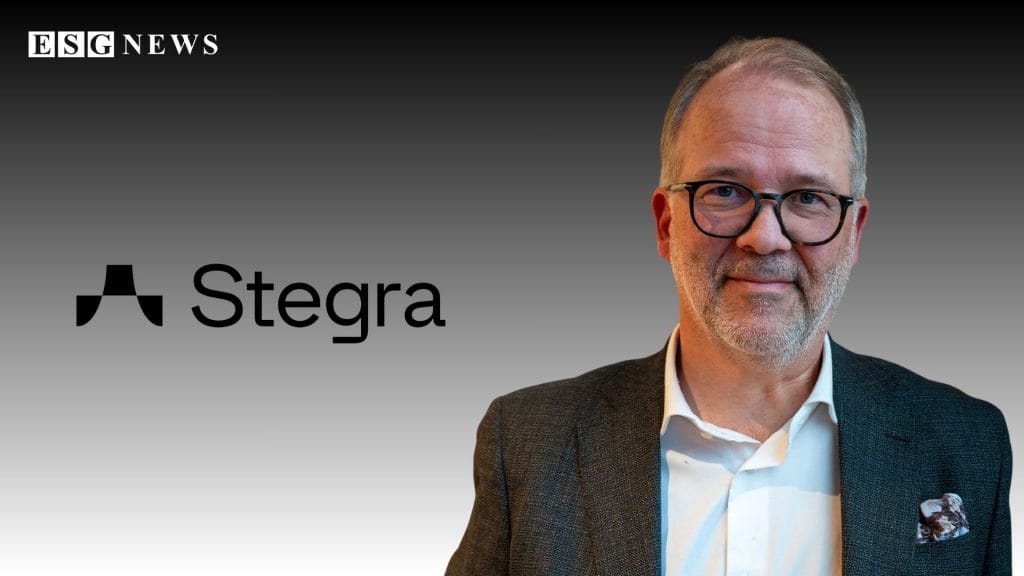
Stegra has appointed Markus Holm as chief financial officer as the hydrogen based steelmaker works to secure fresh capital to complete its flagship plant in northern Sweden, a project viewed as central to Europe’s low carbon industrial ambitions.
Holm, previously CFO and a board member at Estonia based green energy technology company Elcogen Group, will join on March 1. The move comes at a critical moment for the startup, which is racing to finalize funding discussions after seeking an additional $1.1 billion to close a widening financing gap tied to construction and technology deployment.
The company had initially targeted opening the plant this year but has since pushed the timeline to 2027, reflecting broader industry headwinds around cost inflation, supply chains, and early stage hydrogen infrastructure.
A spokesperson confirmed the financing process remains ongoing, stating: “As we have announced earlier, we expect to need Q1 to complete the financing round,” the spokesperson said.
Europe’s Green Steel Model Faces Cost Reality
Stegra’s fundraising effort is unfolding against a challenging backdrop for Europe’s emerging green steel sector. While hydrogen based steelmaking is widely viewed as essential to meeting industrial decarbonization targets, projects across the region have faced delays as investors weigh technology risk against uncertain demand for premium low carbon materials.
Green steel relies heavily on abundant renewable electricity and hydrogen production, both of which require significant upfront capital and long term policy stability. For Sweden, the project is closely tied to national ambitions to lead Europe’s industrial transition through low cost, carbon free power.
Yet the broader ecosystem has experienced turbulence. The bankruptcy of battery manufacturer Northvolt last year shook confidence in large scale green industrial ventures in the Nordics, highlighting execution risks even in markets with strong policy backing and renewable energy advantages.
Against that backdrop, Stegra’s ability to secure new financing is being closely watched by infrastructure investors, climate focused funds, and policymakers tracking the viability of hydrogen driven industrial decarbonization.
RELATED ARTICLE: Stegra Secures $41 Million from Sweden to Support Net Zero Steel Project
Governance, Strategy, And Investor Confidence
The appointment of a new finance chief reflects a governance recalibration as the company moves deeper into capital intensive construction phases. Holm’s experience in energy technology financing suggests Stegra is prioritizing investor relations and funding strategy as much as operational execution.
Internally, the leadership transition also reshapes roles within the finance team. Otto Gernandt, who has served as CFO for five years, will shift into a senior advisory position focused specifically on funding initiatives, signaling continuity during a period of heightened scrutiny.
Questions around financial resilience surfaced last year when reports suggested insolvency risks had been discussed at a board meeting, claims the company rejected at the time. CEO Henrik Henriksson has previously said the company was not facing a crisis, but the extended financing timeline shows the scale of capital required to commercialize next generation steel production.
The company, formerly known as H2 Green Steel, has also explored outsourcing parts of its operations, a strategy that may help reduce upfront costs while accelerating construction milestones.
What Executives And Investors Should Watch
For C suite leaders and institutional investors, Stegra’s progress offers a real time test of Europe’s climate industrial policy. Success would reinforce confidence in hydrogen as a pathway to decarbonize heavy industry and support supply chain transformation across automotive, construction, and manufacturing sectors.
Failure to secure financing, however, could raise questions about whether current policy incentives and market demand are sufficient to sustain large scale green steel deployment. The outcome carries implications beyond Sweden, influencing capital allocation decisions across emerging low carbon industrial technologies.
As governments push for net zero targets and corporate buyers seek lower emissions materials, projects like Stegra sit at the intersection of governance ambition, financial risk, and technological transition. The company’s next steps will help determine whether Europe’s green steel vision can move from pilot phase to industrial reality, shaping the trajectory of climate aligned manufacturing across the region.
Follow ESG News on LinkedIn

The ESG News Editorial Team is comprised of veteran financial journalists and sustainability analysts dedicated to providing real-time, objective reporting on global ESG regulations, climate finance, and corporate governance. Our desk monitors daily developments from the SEC, IFRS, CSRD and international regulatory bodies to ensure our 1M+ readers receive accurate, data-driven insights into the evolving sustainable investment landscape. Follow the ESG News Editorial Team for expert reporting on global sustainability standards, ESG disclosures, and climate policy. Access over 10,000 investigative reports and real-time updates.