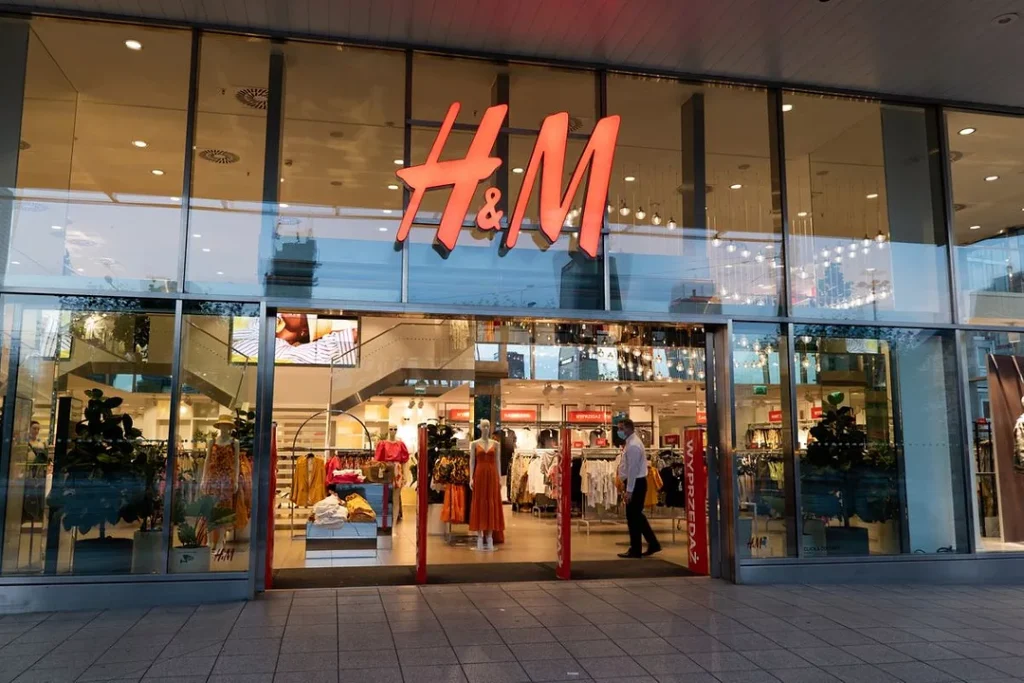
H&M, Stella McCartney Reunite for 2026 Collaboration Built on Sustainability
• Global fashion house and luxury sustainability pioneer reconnect after 20 years to launch a collection built entirely on certified and recycled materials.
• Partnership extends beyond design to establish an industry Insights Board aimed at driving governance, animal welfare standards, and innovation in textile alternatives.
• Collaboration reflects rising investor and regulatory pressure on fashion brands to demonstrate measurable progress on material use, transparency, and long-term climate strategies.
H&M and Stella McCartney will reopen a partnership that began two decades ago, but the 2026 edition arrives in a very different industry landscape. What launched in 2005 as one of H&M’s early designer collaborations has been recast for a sector under intensifying scrutiny over environmental impact, supply chain ethics, and material innovation.
Set for release in spring 2026, the new collection draws on certified and responsibly sourced materials, many of them recycled. The companies describe the line as a demonstration of what alternatives to conventional textiles can look like at mass scale, combining McCartney’s recognisable silhouettes and house codes with lower-impact fiber choices.
For McCartney, the project is a personal and professional return. “I’m excited to reunite with H&M 20 years after our first collaboration. Reworking pieces from my archive brought back so much energy and joy. This second partnership feels like a chance to look at how far we’ve come on sustainability, cruelty-free practices and conscious designs – and to stay honest about how far we still have to go, together. I am thrilled to have H&M join me on this road, real change only happens when we push from both the outside and the inside, and I’ve always believed in infiltrating from within to move the industry forward.”

The partnership arrives as global fashion faces escalating regulatory and financial pressure to account for climate impacts, waste, and chemical use. The EU is advancing rules that will require brands selling into the bloc to handle textile waste, verify environmental claims, and improve traceability on materials. Investors are sharpening expectations around transition plans and science-aligned emissions pathways. Brands that operate at the scale of H&M sit at the centre of those shifts.
Expanding From Collection to Governance: The Insights Board
A distinctive feature of the 2026 collaboration is an initiative called the Insights Board. Rather than focus solely on design, the board is meant to create a structured forum for discussion across the industry, pulling in perspectives from designers, suppliers, innovators, and sustainability specialists. The companies say the aim is to explore how brands can influence and shape system-wide change, particularly on material innovation and animal welfare.
H&M describes the approach as a step toward building a more transparent and collaborative governance environment. The board is expected to convene working sessions that surface new ideas, test solutions and open dialogue on the barriers that prevent sustainable materials from scaling. While its formal structure has not yet been detailed, both partners frame it as a long-term platform rather than a campaign-style initiative.
Stella McCartney’s presence gives the board immediate weight. Her label has been one of the sector’s most visible advocates for cruelty-free materials, bio-based textiles, and next-generation alternatives to leather and synthetics. The partnership offers H&M an opportunity to integrate those perspectives into its broader sustainability strategy, while providing McCartney a bridge into mainstream retail scale.
RELATED ARTICLE: H&M Group Publishes New Sustainable Finance Framework
A Strategic Move for Both Companies
H&M’s internal leadership describes McCartney’s influence as central to the collaboration’s tone and direction. “Stella is a true ground breaker. From the start, she disrupted fashion with designs that put forward a rule-breaking femininity. This collection is full of must-have pieces that nod to that legacy. Stella’s moral compass and tireless commitment to sustainable practices have long inspired all of us at H&M, so it’s an honour to partner with her on such an ambitious project,” said Ann-Sofie Johansson, H&M creative advisor.

For H&M, the collaboration offers more than brand visibility. It provides a channel to test lower-impact materials and production models at a moment when the group faces demands to align its climate ambitions with concrete action on supply chain emissions and waste. It also enables the company to position itself in discussions around new global standards for textile innovation.
For McCartney, reconnecting with a high-volume global retailer provides a platform to push sustainability concepts into markets where luxury-level alternatives often remain inaccessible, reinforcing her long-stated belief that transformation must occur both within and beyond the luxury segment.
What Executives and Investors Should Watch
The 2026 collaboration sits at the intersection of brand strategy, regulatory preparedness, and sustainable material development. Investors will observe how H&M incorporates findings from the Insights Board into its product lines and whether the group can translate this collaboration into measurable progress on its material targets. Policymakers may view the initiative as a test case for how brands of different scales can jointly address the industry’s environmental footprint.
As the fashion sector faces rising pressure to shift away from carbon-intensive and animal-derived materials, this partnership suggests that collaborations may increasingly act as governance tools rather than purely commercial events. The industry will watch whether the Stella McCartney and H&M alliance produces ideas and models that can influence practices beyond their two brands.
The outcome will matter beyond fashion. Material innovation, supply chain transparency, and circularity standards are becoming central to global ESG frameworks. How companies navigate these issues will help shape the policies and investment flows defining sustainable industry transitions over the next decade.
Follow ESG News on LinkedIn

The ESG News Editorial Team is comprised of veteran financial journalists and sustainability analysts dedicated to providing real-time, objective reporting on global ESG regulations, climate finance, and corporate governance. Our desk monitors daily developments from the SEC, IFRS, CSRD and international regulatory bodies to ensure our 1M+ readers receive accurate, data-driven insights into the evolving sustainable investment landscape. Follow the ESG News Editorial Team for expert reporting on global sustainability standards, ESG disclosures, and climate policy. Access over 10,000 investigative reports and real-time updates.