Ireland Launches Circular Economy Strategy to Cut Emissions and Waste

- Ireland targets a circular material use rate of 12% by 2030, strengthening resource security and cutting reliance on virgin materials
- New repair incentives and Digital Product Passports aim to reshape consumer behavior and boost demand for sustainable products
- Sectoral roadmaps across construction, agriculture, retail and electronics align circularity with climate targets and economic resilience
Ireland has unveiled a national plan to shift its economy away from the traditional take make waste model, positioning circularity as a core pillar of climate policy, industrial competitiveness and supply chain resilience.
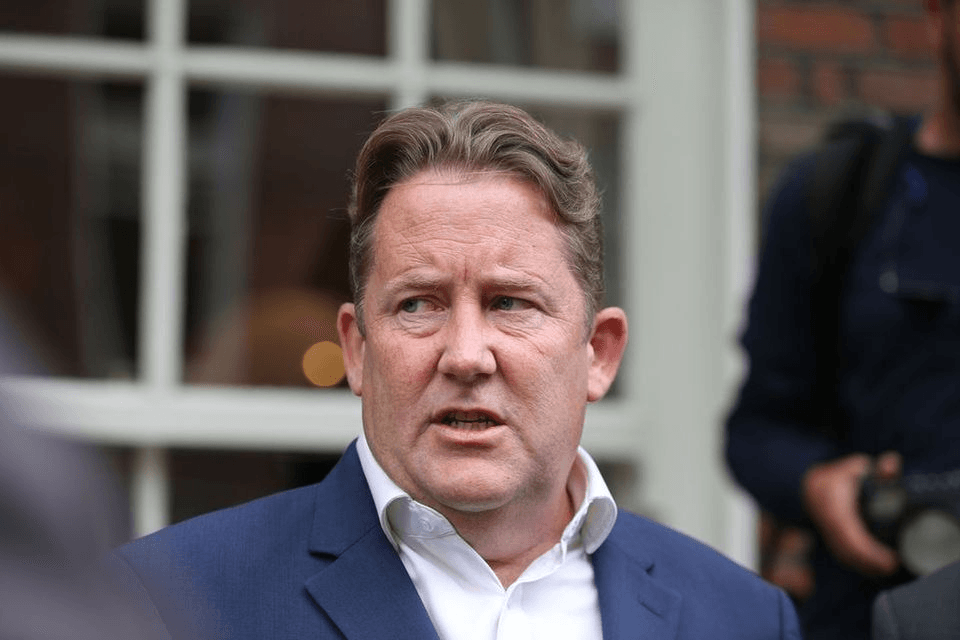
Minister for Climate, Energy and the Environment Darragh O’Brien and Minister of State for the Circular Economy Alan Dillon launched the Circular Economy Strategy 2026 to 2028, a whole of government framework designed to keep materials in use longer, reduce waste and stimulate innovation across industry.
The strategy sits at the intersection of climate action and industrial policy, aiming to lower emissions embedded in materials, strengthen domestic resource security and support green enterprise growth.
Circularity as Climate and Economic Strategy
Nearly half of global greenhouse gas emissions stem from how goods and materials are produced and consumed. O’Brien framed circularity as a climate imperative.
“Nearly half of global greenhouse gas emissions come from how we make and use goods, food and materials. By embedding circularity across our economy, we can cut those emissions at the source long before they reach our atmosphere. This is not simply an environmental project; it is a cornerstone of our climate action agenda. Every tonne of material that’s reused, every product that’s repaired rather than replaced, represents carbon that never needs to be emitted. That is the power of the circular economy. This strategy sets out how we will harness that power through innovation, investment, and collaboration.”
The plan targets a two percentage point annual increase in Ireland’s circular material use rate, aiming to reach 12 percent by 2030. Policymakers expect the transition to improve resource productivity while reducing exposure to volatile raw material markets.
Dillon positioned the strategy as central to economic resilience.
“The circular economy is central to how Ireland will grow cleaner, smarter, and more self reliant. Through innovation, design and enterprise we can transform how we use materials and resources, cut waste, boost productivity, and create sustainable jobs in every part of our country.”

Repair Incentives to Shift Consumer Behavior
A National Pilot Repair Voucher Scheme will be introduced to address one of the biggest barriers to repair: cost. Research shows consumers often replace products when repair costs approach replacement prices.
The voucher programme, funded through the Circular Economy Fund and delivered via the National Re-use and Repair Network, will launch by 2027. The initiative aims to reduce repair costs, increase the perceived value of used devices and encourage consumers to act as product stewards rather than disposable buyers.
Digital Product Passports to Drive Transparency
Ireland will implement Digital Product Passports under the EU Ecodesign for Sustainable Products Regulation. The system will store data on sustainability, circularity and regulatory compliance, enabling consumers and regulators to make informed purchasing and policy decisions.
Priority product categories include textiles, furniture, tyres and mattresses. The passports may also host user instructions and compliance documentation, supporting reuse, repair and lifecycle transparency.
RELATED ARTICLE: Ireland Pledges $16 Million to Brazil’s Amazon Fund to Combat Deforestation
Sector Targets Align Policy and Industry
The strategy outlines actions across six priority sectors:
- Construction: a Circularity Road map in 2026 and an industry compact to accelerate circular building practices
- Bioeconomy and agriculture: a National Bioeconomy Strategy and food waste roadmap targeting a 50% reduction by 2030
- Retail: expanded repair and reuse initiatives and bring your own container options from 2027
- Packaging: implementation of EU packaging rules targeting a 5% waste reduction and 90% plastic bottle collection by 2029
- Textiles: nationwide textile collection and a circular textiles roadmap by 2030
- Electronics: expansion of repair and remanufacturing and alignment with the Right to Repair Directive
Local authorities will be supported to develop reuse and repair hubs nationwide, while digital innovation and data systems will underpin monitoring and compliance.
Governance Foundations and EU Alignment
The strategy builds on Ireland’s Circular Economy Act 2022, Waste Action Plan, Green Public Procurement Strategy and Climate Action Plan. Alignment with EU ecodesign and packaging regulations positions Ireland within emerging European circular value chains.
“This second Circular Economy Strategy is about practical action changing how Ireland designs, builds, consumes, and reuses,” Dillon said. “It places innovation, enterprise, and people at the heart of climate action cutting waste, creating jobs, and reducing costs for households and businesses.”
What Executives and Investors Should Watch
The strategy signals growing regulatory pressure and market incentives around material efficiency, product durability and lifecycle transparency. Companies operating in priority sectors should expect tighter compliance expectations, new reporting requirements and opportunities tied to repair, reuse and sustainable design.
Circular business models also present cost reduction potential, particularly in resource intensive industries facing supply volatility.
Dillon emphasised the shared responsibility underpinning the transition.
“Ireland’s second Circular Economy Strategy is about practical action changing how we design, build, consume, and reuse. It will help us meet our climate goals, grow resilient businesses, and empower communities. Every person, business, and public body has a role to play in making circularity the new normal.”
As Europe accelerates circular economy regulation, Ireland’s approach illustrates how national policy can integrate climate mitigation, industrial competitiveness and consumer behaviour change into a single economic transformation agenda.
Follow ESG News on LinkedIn

The ESG News Editorial Team is comprised of veteran financial journalists and sustainability analysts dedicated to providing real-time, objective reporting on global ESG regulations, climate finance, and corporate governance. Our desk monitors daily developments from the SEC, IFRS, CSRD and international regulatory bodies to ensure our 1M+ readers receive accurate, data-driven insights into the evolving sustainable investment landscape. Follow the ESG News Editorial Team for expert reporting on global sustainability standards, ESG disclosures, and climate policy. Access over 10,000 investigative reports and real-time updates.