Lloyd’s in Talks With U.S. Over Gulf Shipping Insurance Plan
- Lloyd’s market is working with the U.S. International Development Finance Corporation on political risk insurance and guarantees to stabilize maritime trade in the Gulf.
- Roughly 1,000 vessels with an estimated $25 billion in hull value remain in Gulf waters, about half of them oil and gas tankers.
- Escalating regional conflict has pushed London’s marine insurance market to expand designated high risk zones in the Gulf.
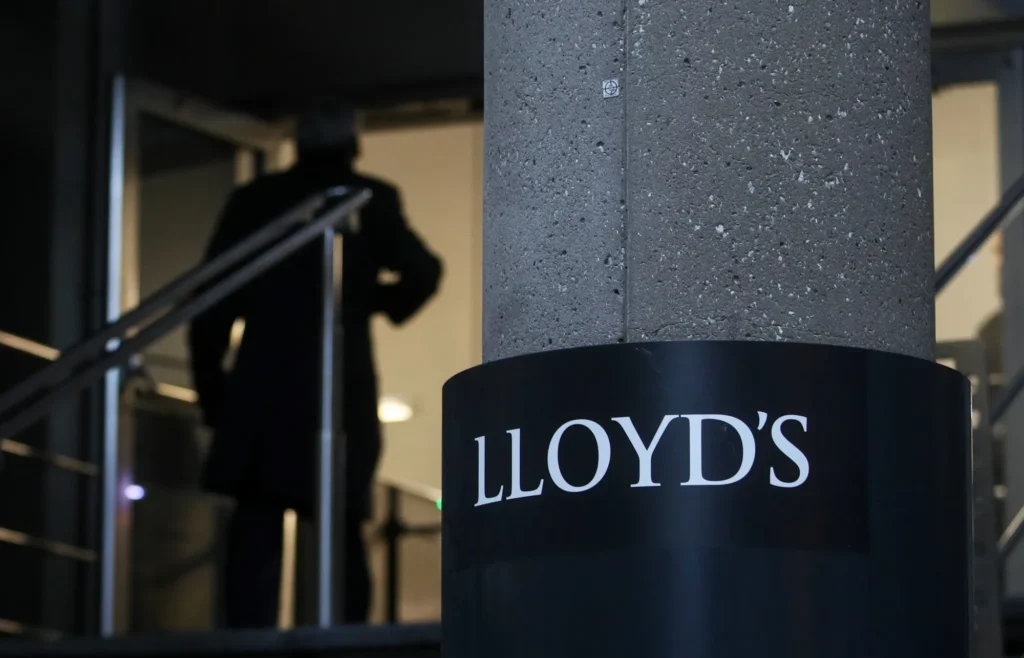
The Lloyd’s of London insurance market is in discussions with the U.S. government’s International Development Finance Corporation (DFC) over a plan to provide political risk insurance and financial guarantees for vessels operating in the Gulf, as geopolitical tensions raise concerns about the stability of one of the world’s most critical energy shipping routes.
The engagement reflects growing coordination between public financial institutions and the private insurance market to maintain maritime trade flows through the Strait of Hormuz, a chokepoint that carries roughly one fifth of global oil supplies.
“Lloyd’s is engaging constructively with the U.S. Development Finance Corporation and relevant stakeholders, with a clear focus on ensuring that the Lloyd’s market continues to lead as the global centre of excellence for war risk insurance,” a Lloyd’s spokesperson said.
The initiative would provide additional financial protection for shipping operators and insurers facing heightened security risks in the region. Political risk insurance and government-backed guarantees could help stabilize insurance capacity and pricing at a moment when underwriters are reassessing exposure across Gulf waters.
High Stakes for Energy Supply Chains
The scale of commercial shipping activity currently exposed to geopolitical risk is significant.
According to Lloyd’s Market Association (LMA) data, approximately 1,000 vessels remain in the Persian and Arabian Gulf and surrounding waters, with a combined hull value exceeding $25 billion. Around half of those vessels are oil and gas tankers carrying energy supplies destined for global markets.
“Since Sunday 1 March, there have been at least 40 transits of vessels through the Strait of Hormuz,” said Sheila Cameron, CEO of the Lloyd’s Market Association.
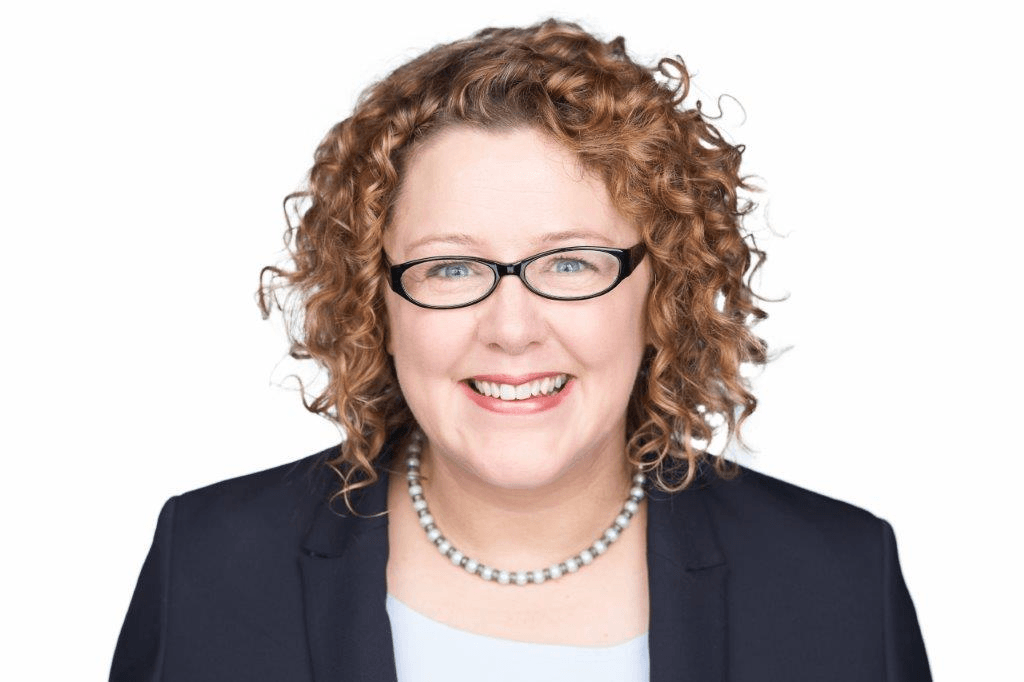
“There remain approximately 1,000 vessels, approximately half of which are oil and gas tankers, with an aggregate hull value exceeding $25 billion in the Persian/Arabian Gulf and surrounding waters.”
Cameron noted that most of those vessels are insured through the London market and that coverage remains active despite the rising tensions.
“The vast majority of these vessels were insured in the London market and insurance currently remains in place,” she said.
For energy markets and global supply chains, maintaining uninterrupted maritime movement through the Gulf remains a priority. The Strait of Hormuz connects Gulf producers including Saudi Arabia, the UAE, Kuwait and Iraq to Asian and European energy buyers.
U.S. Government Signals Support for Shipping
The insurance discussions come alongside signals from Washington that the U.S. government is prepared to step in if maritime security deteriorates further.
U.S. President Donald Trump said earlier this week that the U.S. Navy could begin escorting oil tankers through the Strait of Hormuz if necessary. He also confirmed that he had directed the International Development Finance Corporation to provide political risk insurance guarantees aimed at supporting commercial shipping activity.
The approach mirrors previous periods of maritime instability where government backed insurance mechanisms were deployed to sustain trade flows and reassure insurers.
Insurance broker Marsh said it had already met with U.S. officials to examine potential solutions for restoring maritime trade confidence.
The involvement of the DFC indicates that policymakers see maritime insurance as a strategic financial tool for maintaining energy security and stabilizing global commodity flows.
RELATED ARTICLE: Lloyd’s Launches Consultation on Insuring Transition to a Lower-carbon Economy
Insurance Market Expands Gulf Risk Zones
At the same time, the London marine insurance market has already begun adjusting its risk calculations.
Earlier this week, insurers expanded the geographic area classified as high risk within the Gulf as regional conflict intensified. Such designations typically trigger higher war risk premiums and additional underwriting scrutiny for vessels operating in those zones.
For shipping companies and commodity traders, insurance pricing often serves as the earliest financial signal of geopolitical escalation. When risk zones widen, insurance costs for vessels can rise sharply, affecting freight rates and ultimately energy prices.
The Lloyd’s market plays a central role in global maritime insurance, underwriting a significant share of the world’s war risk coverage for commercial shipping.
Implications for Global Energy and Risk Markets
For corporate risk managers, energy traders and institutional investors, the situation highlights how geopolitical flashpoints increasingly intersect with financial risk infrastructure.
Insurance capacity, government guarantees and naval security all function as stabilizing mechanisms when critical trade corridors face disruption.
The discussions between Lloyd’s and the U.S. Development Finance Corporation illustrate how public finance institutions and private insurance markets are becoming more tightly linked in managing geopolitical risk tied to global energy supply chains.
With thousands of vessels and billions of dollars in maritime assets concentrated in Gulf waters, maintaining confidence in the insurance system has become a central pillar of keeping global trade moving during periods of heightened geopolitical uncertainty.
Follow ESG News on LinkedIn