
MAS Sets Climate Transition Risk Rules for Banks, Insurers and Asset Managers
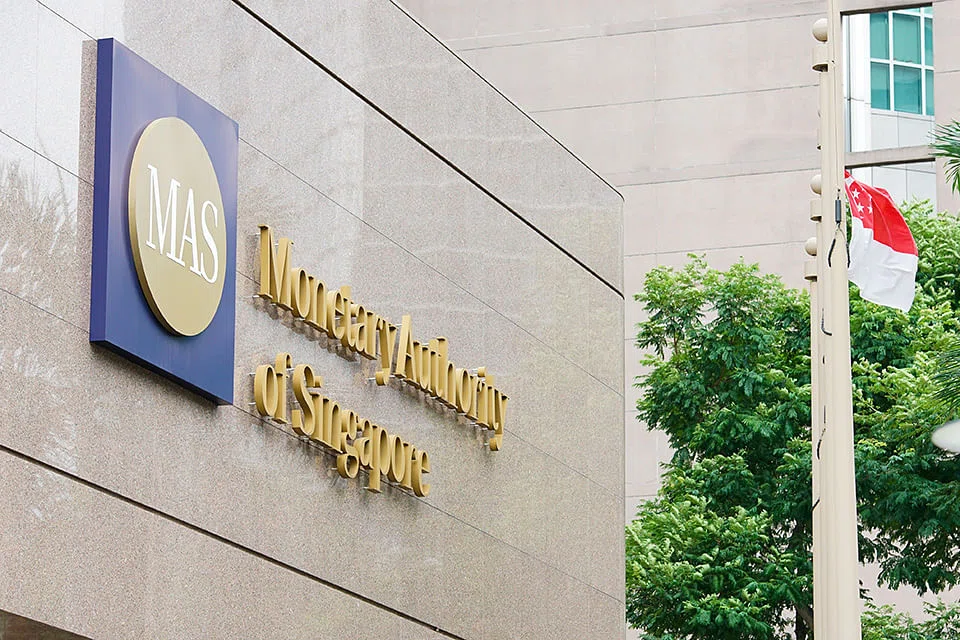
- The Monetary Authority of Singapore has issued new supervisory guidelines requiring financial institutions to integrate climate transition planning into risk management frameworks.
- Banks, insurers and asset managers must assess both physical and transition climate risks and engage clients on decarbonisation pathways.
- The rules take effect in September 2027 after an 18-month transition period, reinforcing Singapore’s push to strengthen financial system resilience to climate change.
The Monetary Authority of Singapore (MAS) has issued new supervisory guidelines directing banks, insurers and asset managers to embed climate transition planning into their core risk management practices.
The guidance expands Singapore’s existing Environmental Risk Management framework introduced in 2020. It sets clearer expectations on how financial institutions should assess and manage both the physical risks of climate change and the economic transition risks linked to decarbonisation.
The move reflects a growing shift among financial regulators globally to require forward looking climate risk assessments as part of prudential oversight.
MAS said the new Guidelines on Environmental Risk Management – Transition Planning are designed to strengthen how financial institutions identify, measure and manage climate related risks across their portfolios.
The regulator expects financial institutions to incorporate climate considerations into governance structures, risk management systems and long term business strategies.
Transition Planning Becomes a Core Risk Discipline
The guidelines place particular emphasis on structured transition planning. MAS expects institutions to evaluate how climate change and the global shift to lower carbon economies could affect the resilience of their business models and financial exposures.
Financial institutions are required to assess risks in a manner proportionate to their size, operations and risk profile. This includes evaluating exposure to sectors facing structural transition pressures such as energy, transport and heavy industry.
The guidance also encourages institutions to strengthen internal capabilities as climate risk measurement methods and data availability continue to evolve.
MAS said financial institutions should:
• Assess and manage risks linked to both physical climate impacts and transition pathways by adapting business models, governance frameworks and risk management practices in a forward looking manner.
• Engage customers and investee companies to understand their climate exposures and mitigation strategies.
• Continue building expertise in climate risk analytics as methodologies and data improve.
Avoiding Disorderly Financial Withdrawal
A key component of the guidelines focuses on engagement with clients and portfolio companies rather than abrupt divestment.
MAS cautioned against indiscriminate withdrawal of financing, insurance or investment from carbon intensive sectors without proper risk analysis.
Instead, financial institutions are expected to work with customers and investee companies to understand transition strategies and climate risk exposure. The regulator believes such engagement can support orderly decarbonisation while maintaining financial stability.
Institutions are also encouraged to take a risk materiality approach when gathering climate related data from clients, focusing on exposures where climate risks are most significant.
RELATED ARTICLE: MAS Appoints Abigail Ng as New Chief Sustainability Officer
Tailored Rules for Banks, Insurers and Asset Managers
Recognising the differences in business models across the financial sector, MAS issued separate guidance for banks, insurers and asset managers. Each set of guidelines reflects the distinct ways climate risks can affect lending portfolios, insurance underwriting and investment strategies.
The framework incorporates feedback from industry consultation and engagement with financial institutions conducted during the policy development process.
The guidelines will take effect in September 2027, following an 18 month transition period intended to give firms time to build systems, governance structures and analytical capacity.
Financial Stability and the Climate Transition
MAS framed the new guidance as part of a broader effort to strengthen the resilience of Singapore’s financial system to climate related shocks.
Ms Ho Hern Shin, Deputy Managing Director (Financial Supervision), MAS, said, “These Guidelines support FIs in building their risk management capabilities in response to both physical and transition risks. The financial sector plays an important role in supporting customers as they navigate the risks from climate change. By engaging their customers and investee companies in a risk proportionate manner, FIs can build better resilience to risks and support broader financial stability.”

For executives and investors, the guidelines reinforce a regulatory trend that is reshaping financial supervision worldwide. Climate transition planning is moving from voluntary disclosure to a core component of risk governance.
As regulators across Europe, North America and Asia tighten expectations, financial institutions face increasing pressure to demonstrate credible strategies for managing climate risks and financing the transition to a lower carbon economy.
Singapore’s latest move places the city state firmly within that global regulatory shift, strengthening its role as a regional financial hub adapting to the financial realities of climate change.
Follow ESG News on LinkedIn