
Masdar Secures Financing for Oman’s First Utility Scale Solar and Battery Storage Project
• Two major Gulf lenders back Oman’s first combined solar and storage facility
• Project anchors Vision 2040 plans to source 30 percent of electricity from renewables by 2030
• 500MW of new solar plus 100MWh storage expected to displace roughly 505,000 tonnes of CO2 each year
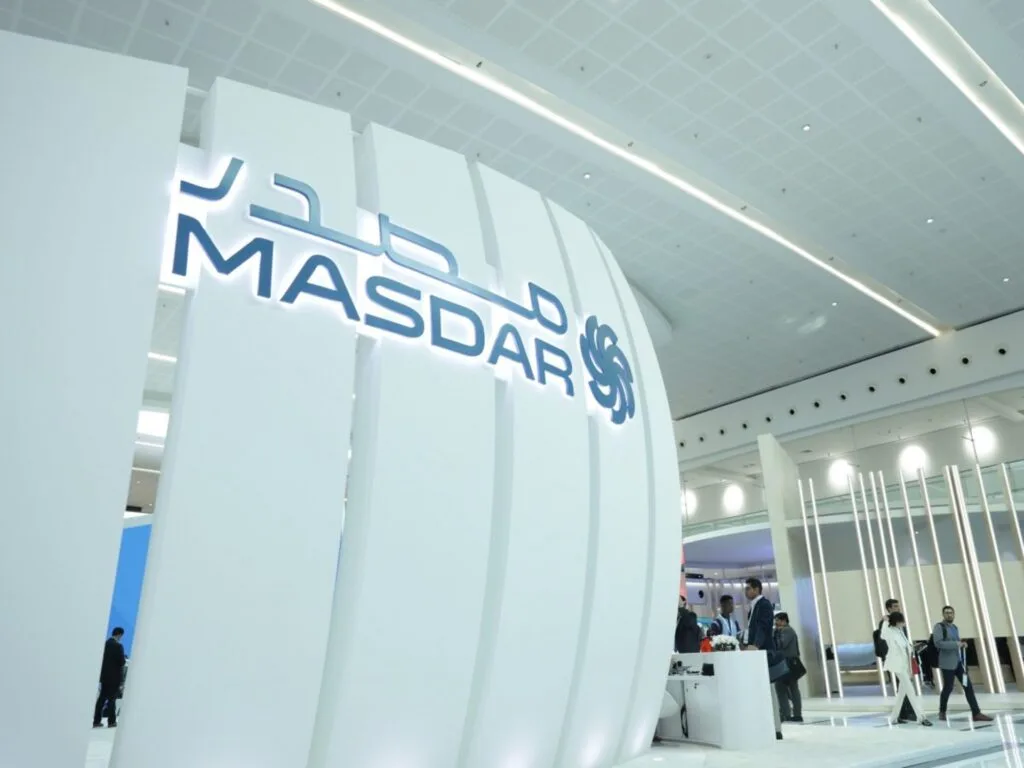
Masdar and its consortium partners have reached financial close on the Ibri III Solar Independent Power Project in Oman, the first utility scale solar facility in the country to integrate a battery energy storage system. The project combines a 500 megawatt photovoltaic plant with a 100 megawatt hour battery and is designed to supply clean power to Nama Power and Water Procurement.
The deal moves Oman closer to its Vision 2040 goal to diversify energy resources. The government has set a target to generate 30 percent of electricity from renewables by 2030. For a hydrocarbon exporting state that historically relied on natural gas for power generation, the Ibri III project functions as both industrial demonstration and clean power deployment.
Financing Structure and Consortium
Project financing has been secured with Natixis Corporate and Investment Banking and First Abu Dhabi Bank. The loans will cover a substantial share of total project costs of approximately 300 million dollars. Final ownership and operating responsibilities sit within a consortium led by Abu Dhabi Future Energy Company PJSC, known as Masdar, with Al Khadra Partners, Korea Midland Power Company and OQ Alternative Energy as equity participants.
The structure follows the well established independent power producer model in the Gulf with a long term power purchase agreement. The PPA for Ibri III was signed in September and covers design, construction, financing, ownership, operation and maintenance of both the solar plant and the storage system.
Bank participation in clean energy deals across the Gulf region has been increasing over the past five years as sovereign strategies on climate and renewables have become more explicit. For lenders, storage integrated solar carries a more complex technical risk profile than standalone photovoltaic assets, but it also provides a pathway for grid firming that utilities increasingly require as renewable penetration rises.
Battery Energy Storage and System Benefits
Battery energy storage is central to the Ibri III project. By pairing a 500MW PV facility with a 100MWh storage system, power output can be shifted to periods of higher demand and lower solar irradiance. This improves dispatchability and reduces the impact of intermittency on the local grid. Once operational, the plant is expected to supply enough electricity for approximately 33,000 homes in the Sultanate while avoiding around 505,000 tonnes of carbon dioxide each year.
RELATED ARTICLE: Masdar, Iberdrola Finalize $5.6B UK Offshore Wind Deal
Mohamed Jameel Al Ramahi, Chief Executive Officer of Masdar, said the project illustrates the role storage will play in accelerating renewables deployment. He stated: “We thank our lenders and partners for enabling us to reach this significant milestone in the development of the Ibri III project, which highlights Masdar’s commitment to helping Oman achieve its energy transformation goals. We see great potential for battery energy storage to expand renewable energy deployment, and we look forward to leveraging our expertise in BESS and other advanced technologies to deliver clean, secure power for the Sultanate.”

Implications for Governance and Investment
The Ibri III project fits into a broader trend of Gulf diversification strategies that connect climate policy, energy security and industrial development. For Oman, the project expands the country’s clean power base in line with Vision 2040. For Abu Dhabi, Masdar continues to position itself as a regional champion for utility scale renewables and emerging energy technologies.
For investors and corporates, the financing demonstrates that storage integrated solar assets in the Gulf can now reach financial close with commercial debt from international banks. This is relevant for developers assessing deal flow across the region and for utilities seeking dispatchable renewable power to balance growing demand from industrial and data center loads.
Global Context
While Europe, the United States and parts of Asia have been deploying battery storage at pace, the Middle East is now entering its own phase of storage enabled clean power. The trajectory aligns with broader global shifts as grids prepare for higher shares of variable renewable energy. Oman’s move to incorporate storage at scale advances the regional conversation from pilot deployments to commercial infrastructure.
As Gulf sovereign strategies mature and power system planning incorporates storage, global climate investors and project finance banks will likely study the Ibri III model for replication. The project ties local energy reform to global decarbonization efforts and introduces a new template for storage enhanced solar across emerging markets.
Follow ESG News on LinkedIn

The ESG News Editorial Team is comprised of veteran financial journalists and sustainability analysts dedicated to providing real-time, objective reporting on global ESG regulations, climate finance, and corporate governance. Our desk monitors daily developments from the SEC, IFRS, CSRD and international regulatory bodies to ensure our 1M+ readers receive accurate, data-driven insights into the evolving sustainable investment landscape. Follow the ESG News Editorial Team for expert reporting on global sustainability standards, ESG disclosures, and climate policy. Access over 10,000 investigative reports and real-time updates.