Mast Reforestation Issues First Biomass Burial Carbon Credits, Funding Post-Wildfire Restoration in Montana
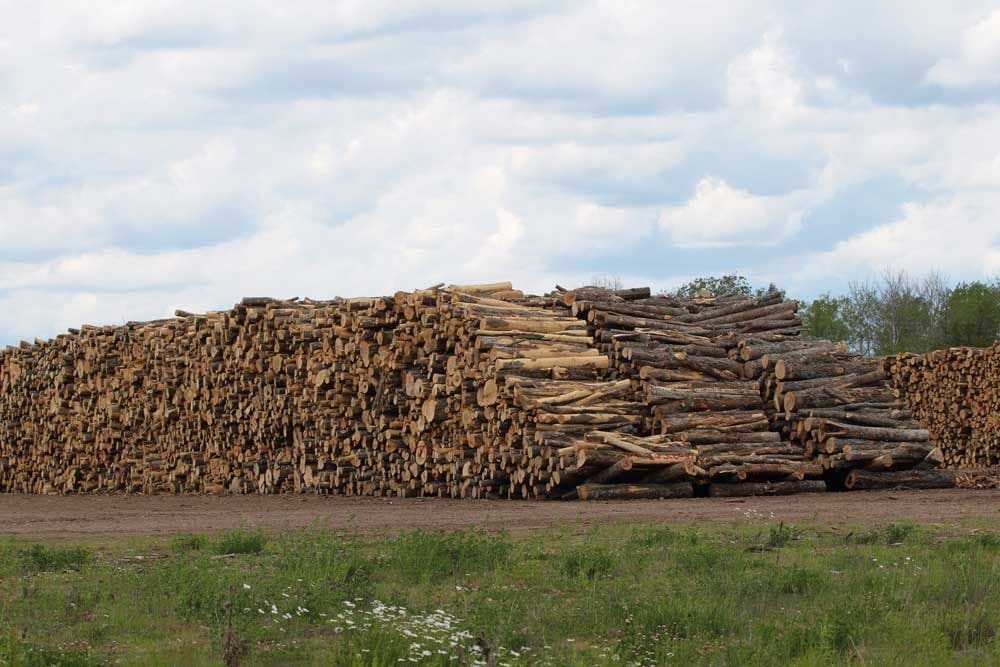
- First carbon credits issued under Puro.earth’s Terrestrial Storage of Biomass methodology at this scale, linking engineered carbon removal to ecosystem recovery.
- More than 10 million pounds of wildfire-killed biomass permanently stored, avoiding emissions and securing long-term CO2 removal under a 100-year monitoring regime.
- Capital from voluntary carbon markets redirected into post-fire reforestation, creating a replicable finance pathway for wildfire-impacted regions.
Beneath a scarred landscape shaped by wildfire, Mast Reforestation has buried the remains of millions of dead trees, sealed them underground, and converted that intervention into verified carbon removal credits now circulating in global markets. The company has sold and delivered the first batch of credits from its Mast Wood Preserve MT1 project, marking a significant step for biomass burial as a scalable climate solution tied directly to land restoration.
The MT1 project, located in Bighorn County, Montana, generated carbon removal credits through the burial of more than 10 million pounds of trees killed by wildfire. Instead of being openly burned or left to decay, releasing carbon back into the atmosphere, the biomass was placed in an engineered underground chamber designed for long-term storage. The approach locks away the carbon contained in the wood while addressing the growing problem of post-fire forest debris.
Following independent third-party verification, Puro.earth certified 4,277 carbon removal credits from the project under its Terrestrial Storage of Biomass methodology. More than 80 percent of those credits have already been sold on the voluntary carbon market, with buyers including the Royal Bank of Canada, CNaught, Muir AI, and SE Advisory Services, the global consulting arm of Schneider Electric.
Carbon Removal With Long-Term Accountability
The issuance represents the largest to date under Puro.earth’s biomass burial methodology and one of the fastest excavation-to-issuance timelines globally. Mast began monitoring in and above the biomass storage chamber in August 2025 and will continue monitoring throughout the project’s 100-year duration. The monitoring, reporting, and verification framework is designed to ensure the integrity and permanence of the carbon storage over a full century.
For investors and corporate buyers navigating tightening scrutiny around voluntary carbon markets, the MT1 project highlights the importance of durability and verification. Long-term monitoring commitments, coupled with third-party certification, are increasingly central to procurement decisions as companies align carbon removal purchases with internal governance and climate risk frameworks.
RELATED ARTICLE: AstraZeneca Announces $400 Million Investment in Reforestation and Biodiversity
Financing Post-Fire Ecosystem Recovery
What distinguishes MT1 from earlier carbon removal projects is its direct link to post-wildfire restoration. The biomass burial site sits within an area severely damaged by the Poverty Flats Fire in 2021. Ecological assessments indicated that the landscape was unlikely to recover naturally for decades, potentially longer than a century, without intervention.
With proceeds from credit sales and additional direct support, Mast will begin reforesting the surrounding area in spring 2026. The restoration plan includes planting native conifer seedlings grown from wild-collected, locally adapted seed currently cultivated at Mast’s commercial nurseries. The goal is not only to reestablish tree cover, but to rebuild a resilient ecosystem capable of withstanding future climate stress.
This integration of carbon finance and ecological recovery reflects a broader shift in how climate solutions are being structured. Rather than treating carbon removal as a standalone commodity, projects like MT1 embed social and environmental co-benefits directly into their design, responding to growing expectations from regulators, investors, and corporate climate buyers.
A Blueprint for Scaling Biomass Burial
Wildfires are intensifying across North America and other regions, leaving behind vast quantities of dead biomass and destabilized communities. Mast positions the MT1 project as a model for turning that challenge into a financing mechanism for restoration. By monetizing durable carbon removal, the company creates a revenue stream that can be reinvested into fire-impacted landscapes that might otherwise lack funding.
Building on this foundation, Mast plans to expand its pipeline of biomass burial projects in 2026. The company is targeting tens of thousands of tonnes of CO2 removal, with the potential to generate restoration funding for thousands of acres of burned forest.
For policymakers and climate finance leaders, the implications extend beyond a single project in Montana. As governments reassess wildfire management, land use policy, and carbon market oversight, models that combine verified removals with tangible local recovery offer a pathway that aligns climate goals with regional resilience. In a warming world where fire risk is becoming a persistent economic and environmental threat, the MT1 project signals how carbon markets may increasingly intersect with land stewardship and long-term climate adaptation.
Follow ESG News on LinkedIn

The ESG News Editorial Team is comprised of veteran financial journalists and sustainability analysts dedicated to providing real-time, objective reporting on global ESG regulations, climate finance, and corporate governance. Our desk monitors daily developments from the SEC, IFRS, CSRD and international regulatory bodies to ensure our 1M+ readers receive accurate, data-driven insights into the evolving sustainable investment landscape. Follow the ESG News Editorial Team for expert reporting on global sustainability standards, ESG disclosures, and climate policy. Access over 10,000 investigative reports and real-time updates.