Sweden Weighs State Equity In Nuclear Projects As Financing Risks Rise
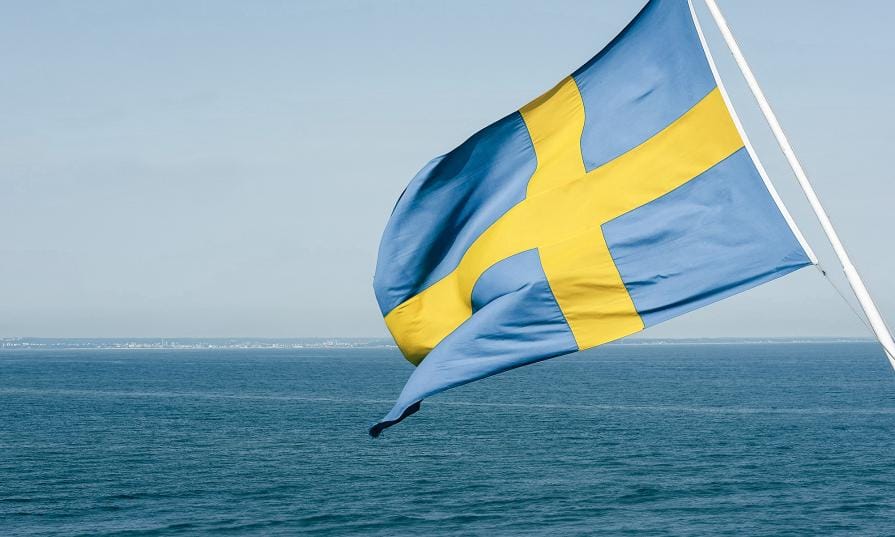
• Sweden may take direct equity stakes in new nuclear projects as financing risks exceed utility balance sheets
• Vattenfall advances plans for 1,500 MW of small modular reactors at Ringhals amid government loan and price support
• State backing reflects growing European recognition that nuclear expansion requires blended public private finance models
Sweden’s push to rebuild its nuclear fleet is entering a more interventionist phase, with state ownership emerging as a central pillar of financing strategy. The chief executive of state owned utility Vattenfall said the government will likely need to take a direct stake in upcoming reactor projects due to the scale of capital required.
The comments highlight a shift in European energy policy as governments move from regulatory support toward active investment roles to accelerate low carbon baseload power. With electrification demand rising across heavy industry and transport, Sweden’s nuclear expansion is becoming both a climate and industrial policy priority.
State Capital Seen As Essential To Financing Structure
Vattenfall’s Videberg Kraft subsidiary plans to build several small modular reactors totaling about 1,500 megawatts at the Ringhals nuclear site in southwest Sweden. The company applied for funding in December under a framework that includes low cost government loans and price guarantees aimed at attracting private partners.
Industrial groups are expected to take a 20 percent stake in the project company. However, Anna Borg, Vattenfall’s chief executive, indicated that direct state ownership will likely be necessary to unlock financing.
“The size of the project is of course large and that also means that we will not consolidate that on the Vattenfall balance sheet,” Borg said.

Her remarks reflect broader investor concerns around nuclear economics. Long construction timelines, regulatory complexity, and uncertain wholesale power prices have made traditional project finance structures difficult without sovereign backing. For policymakers, direct equity participation may offer a way to share risk while maintaining control over strategic energy infrastructure.
Earnings Boost Strengthens Utility Position
Borg’s comments came after Vattenfall reported strong fourth quarter results, with underlying earnings before interest and tax reaching 9.5 billion Swedish crowns ($1.1 billion), up sharply from 922 million crowns a year earlier.
The performance was driven by improved hedging strategies across continental European generation assets and stronger availability and pricing for Sweden’s existing nuclear fleet. The earnings rebound gives Vattenfall more operational flexibility, though Borg emphasized that new nuclear investments would not dominate near term capital allocation.
Most of the company’s 165 billion crown investment program over the next five years remains focused on wind power expansion and electricity grids. Borg said nuclear spending would rise later in the decade.
“When it comes to new nuclear the main investment volumes will come after this five year period,” Borg said.
RELATED ARTICLE: Sweden Becomes Electric Car Battery and Green Tech Hub
Policy Shift Signals New Nuclear Financing Model
Sweden’s right of centre government has made nuclear revival a cornerstone of its energy strategy, arguing that stable baseload generation is essential to meeting industrial decarbonization targets while maintaining grid reliability. The combination of cheap loans, price guarantees, and potential state equity reflects a hybrid model increasingly discussed across Europe.
For investors and executives, the message is clear. Governments may need to assume a larger financial role if nuclear is to compete with subsidized renewables and volatile power markets. This dynamic is already visible in the United Kingdom, France, and parts of Eastern Europe, where state backed contracts and equity stakes are becoming standard tools.
The Swedish approach also highlights governance considerations. Direct ownership raises questions about risk allocation, project oversight, and how public capital interacts with private industrial partners. At the same time, policymakers see nuclear as critical for meeting EU climate objectives and stabilizing energy prices after years of market volatility.
Strategic Implications For Energy Transition Leaders
C suite decision makers should view Sweden’s strategy as part of a broader recalibration of energy transition finance. As decarbonization targets tighten, technologies that provide firm low carbon power are drawing renewed political support even when market economics remain uncertain.
For utilities, state participation could reduce balance sheet pressure and accelerate permitting timelines. For industrial investors, joint ownership structures may offer long term power price stability aligned with net zero commitments. And for governments, equity stakes provide leverage over strategic assets that underpin national energy security.
Sweden’s nuclear revival therefore carries implications beyond its borders. If successful, the model could influence how Europe structures financing for next generation reactors and reshape expectations around the role of public capital in achieving climate goals.
Follow ESG News on LinkedIn

The ESG News Editorial Team is comprised of veteran financial journalists and sustainability analysts dedicated to providing real-time, objective reporting on global ESG regulations, climate finance, and corporate governance. Our desk monitors daily developments from the SEC, IFRS, CSRD and international regulatory bodies to ensure our 1M+ readers receive accurate, data-driven insights into the evolving sustainable investment landscape. Follow the ESG News Editorial Team for expert reporting on global sustainability standards, ESG disclosures, and climate policy. Access over 10,000 investigative reports and real-time updates.