
TotalEnergies Sells 50% of German Battery Portfolio to AllianzGI in $580 Million Storage Deal
- €500 million investment to deliver 789 MW / 1,628 MWh of battery storage across 11 German projects by 2028
- 70% debt financing highlights continued lender appetite for grid flexibility assets
- Transaction strengthens Germany’s renewable integration strategy and deepens private capital participation in energy infrastructure
In Europe’s largest power market, battery storage is becoming as strategic as generation itself.
TotalEnergies has agreed to sell a 50% stake in a portfolio of 11 battery storage projects in Germany to Allianz Global Investors, mobilizing €500 million ($580 million) in investment for nearly 800 MW of capacity scheduled to be operational by 2028.
The projects, with a combined capacity of 789 MW and 1,628 MWh, are currently under construction and have been developed by Kyon Energy, a TotalEnergies subsidiary focused on battery storage. TotalEnergies will retain operational control of the assets once they come online.
The financing structure reflects the sector’s maturation. Of the €500 million total investment, approximately 70% will be funded through debt, underscoring the increasing bankability of large-scale battery systems as core grid infrastructure.
Storage as a Pillar of Germany’s Energy Transition
Germany’s energy transition has accelerated the buildout of wind and solar capacity. But the rapid influx of intermittent generation has intensified grid congestion and volatility in wholesale markets. Storage has become central to balancing supply and demand while stabilizing prices.
The 11 battery projects are distributed across Germany and are designed to provide flexibility services that reduce congestion and support renewable integration. Most of the systems will deploy next-generation battery technology supplied by Saft, another TotalEnergies subsidiary specializing in advanced battery solutions.
For corporate leaders and investors, the transaction reflects a structural shift. Battery storage is no longer a speculative adjunct to renewables. It is becoming a prerequisite for scaling clean generation while maintaining grid resilience.
TotalEnergies has positioned Germany as a priority market, with activities spanning renewable generation, battery storage, trading, aggregation, and low carbon electricity supply. The company recently signed a 200 MW power purchase agreement with Airbus, reinforcing its integrated power strategy in the country.
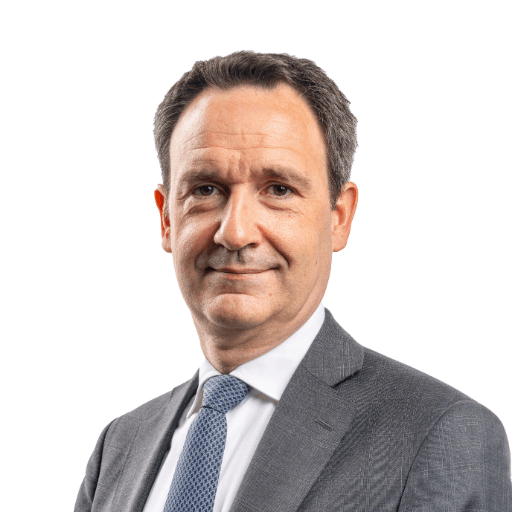
Stéphane Michel, President Gas, Renewables and Power at TotalEnergies, said: “We are delighted to welcome Allianz, a first-class partner in Germany, as a shareholder in 11 of our battery storage projects, representing a total capacity of nearly 800 MW. In line with our business model, this transaction enables us to optimize our capital allocation in our integrated power activities and helps improve the sector’s profitability. This operation, strengthen our development momentum in Germany, Europe’s largest power market, where we are deploying our clean firm power strategy, as illustrated by the 200 MW PPA signed with Airbus recently.”
RELATED ARTICLE: TotalEnergies Launches Largest European Solar Cluster in Spain
Institutional Capital Expands Into Grid Infrastructure
For AllianzGI, the transaction marks its first direct equity investment in a battery storage portfolio.
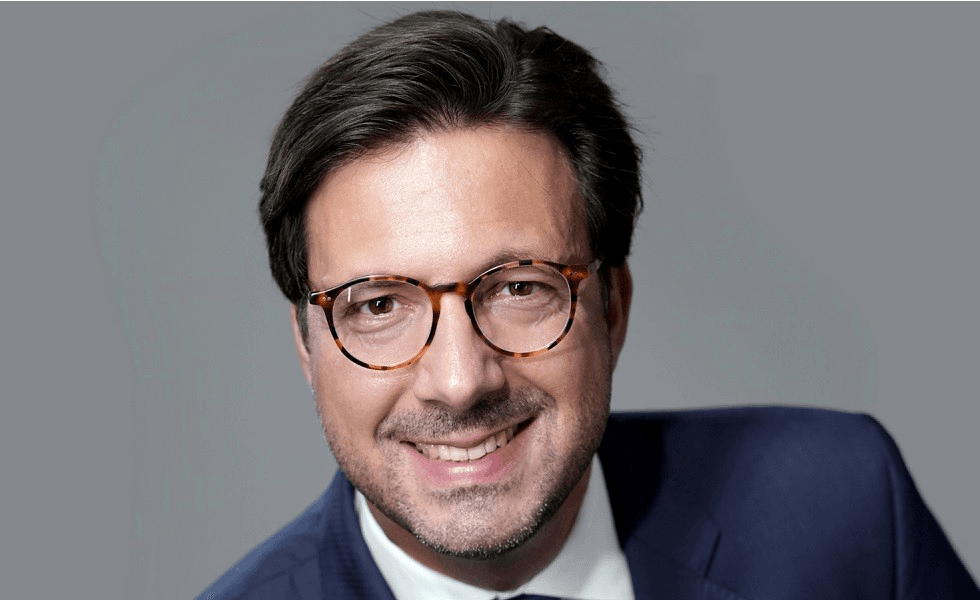
Édouard Jozan, Head of Private Markets at Allianz Global Investors, said: “The shift to cleaner energy depends on strong infrastructure. This investment marks Allianz’s first direct equity commitment to a portfolio of battery storage projects. As a pioneer in energy transition investing for more than 20 years with a portfolio spanning wind and solar farms, green hydrogen platforms, and an electricity interconnector, we are very delighted to partner with Total Energies on this important project in one of our home markets, Germany. These eleven projects across Germany with a capacity of 789MW upon completion will help reinforce the country’s energy resilience, accelerate the energy transition, and deliver long-term value for our clients.”
The move reflects a broader trend in sustainable finance. Institutional investors are expanding from generation assets into flexibility infrastructure, seeking long-term, inflation-linked returns aligned with decarbonization pathways.
From a governance perspective, Germany’s policy framework, including market reforms to incentivize storage and flexibility, has improved revenue visibility for battery projects. That regulatory clarity is now drawing private capital at scale.
What Executives and Investors Should Watch
Battery storage is rapidly becoming a defining feature of Europe’s power transition. As renewable penetration deepens, flexible assets will determine whether decarbonization proceeds efficiently or faces bottlenecks.
This €500 million deal illustrates three converging forces: corporate balance sheet optimization, debt-backed infrastructure scaling, and institutional capital reallocating toward climate-aligned assets.
For C-suite leaders and asset managers, the message is clear. Grid flexibility is emerging as a core infrastructure class. Germany’s storage buildout is not only a national priority, but part of a wider European strategy to secure energy resilience while meeting climate targets.
Follow ESG News on LinkedIn