
Uzbekistan Launches First Utility Scale Solar And Battery Project
• Uzbekistan activates its first utility scale integrated solar and battery facility, advancing its 2030 goal of 54 percent renewable power.
• Masdar’s expanding Central Asia portfolio now exceeds 2 GW, with new solar, wind and storage agreements signed in Tashkent.
• New roadmap for a 1,000 MW wind project positions Uzbekistan to accelerate its 25 GW renewables capacity target by 2030.
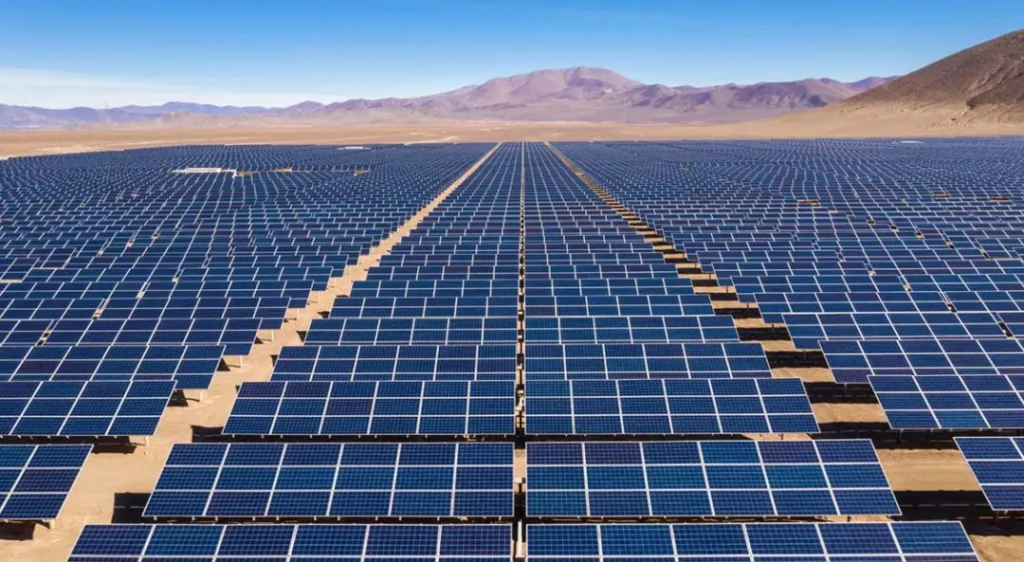
Uzbekistan advanced its national energy transition with the inauguration of the Nur Bukhara solar and battery storage project, the first utility scale facility of its kind in the country. President Shavkat Mirziyoyev led the ceremony, which also included the groundbreaking for Masdar’s Guzar solar and storage project and the signing of agreements that further expand the UAE developer’s footprint across solar, wind and grid stabilisation assets.
Nur Bukhara pairs 250 megawatts of solar photovoltaic capacity with a 63 megawatt, 126 megawatt hour battery system designed to support grid stability as Uzbekistan increases the share of variable renewables in its energy mix. Developed by Masdar, the project forms part of the country’s effort to reach at least 25 gigawatts of renewable capacity and generate more than half of its electricity from renewables by 2030.
President Mirziyoyev also launched construction of the 300 megawatt Guzar solar plant, which includes a 75 megawatt hour storage system intended to improve dispatchability. The event drew senior government and UAE delegates, underscoring the political and financial alliances driving Uzbekistan’s clean energy expansion.
New Agreements Deepen Bilateral Energy Cooperation
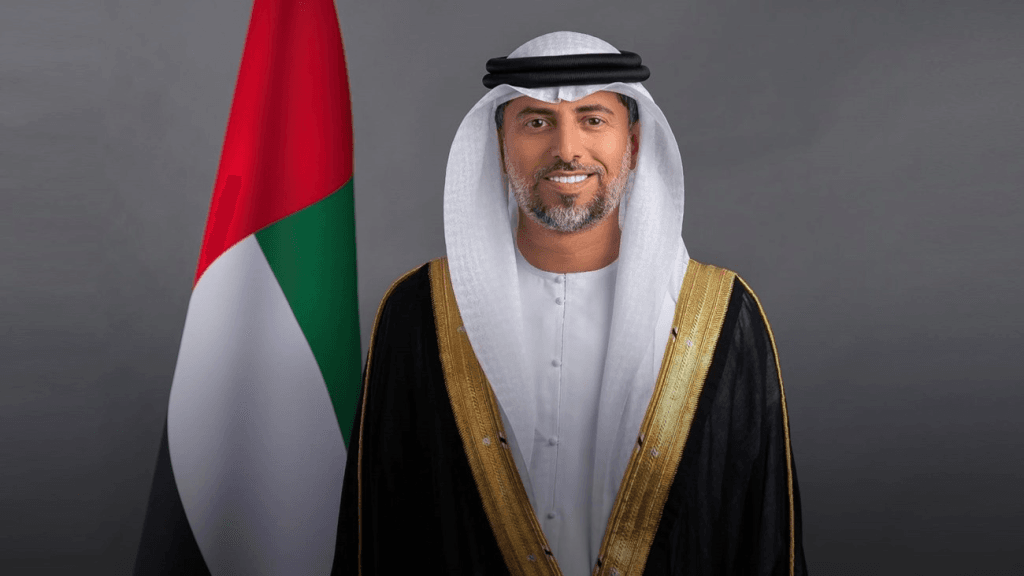
At the ceremony, Deputy Prime Minister Jamshid Khodjaev and UAE Minister of Energy and Infrastructure Suhail Mohamed Al Mazrouei witnessed investment, transmission and battery storage agreements for the Zarafshan facility, which will become Uzbekistan’s largest standalone battery project. Officials also confirmed a development roadmap for a 1,000 megawatt wind project in the Navoiy region, the first phase of a planned 2,000 megawatt program.
For Uzbekistan, the agreements strengthen institutional capacity to integrate large scale renewables into an ageing grid that must balance rapidly increasing solar and wind supply with industrial and residential demand. For the UAE, the projects expand Masdar’s role as a long term partner in regional energy security and sustainable infrastructure development.
Al Mazrouei described the partnership as central to the UAE’s broader clean energy diplomacy. He said:
“Through Masdar’s projects, which have become among the fastest-growing in Central Asia with a capacity exceeding 2,000 megawatts, the UAE continues to support Uzbekistan’s national efforts to develop a more efficient and sustainable energy infrastructure, contributing to long-term economic development that benefits future generations. We are proud to expand our partnership with the Republic of Uzbekistan, and we remain committed to strengthening it in ways that serve our mutual interests and advance the progress of clean and renewable energy.”
RELATED ARTICLE: Masdar, Uzbekistan Partner on 300MW Battery Storage to Strengthen National Grid
Strategic Partnership Reshapes Regional Clean Energy Investment
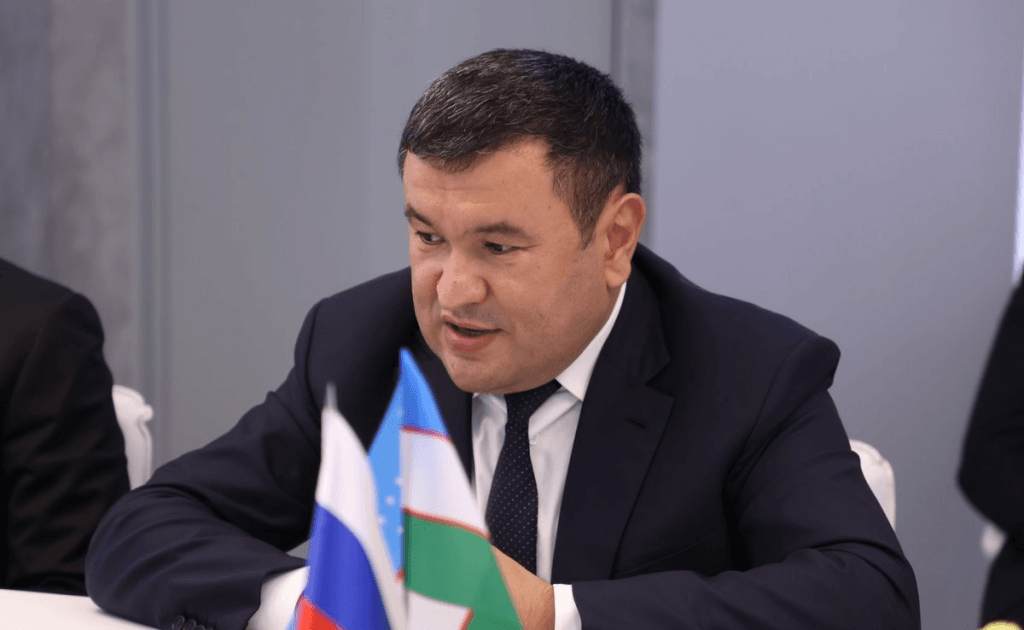
Uzbekistan’s Minister of Energy, Jurabek Mirzamahmudov, framed the projects within the strengthened political relationship between the two countries. He noted that cooperation intensified after President Mirziyoyev’s visit to the UAE in January, when bilateral ties were elevated to a strategic partnership.
He said:
“In recent years, friendly relations between the heads of state of Uzbekistan and the United Arab Emirates have reached a new level. During President Shavkat Mirziyoyev’s visit in January, Uzbek-Emirati relations were elevated to the level of a strategic partnership. The UAE company Masdar was the first to establish cooperation in the development of green energy in Uzbekistan and launched the country’s first solar photovoltaic power plant in 2021.”
He added that collaboration has already delivered a diversified portfolio of operational assets.
“In cooperation with Masdar, five solar power plants with a total capacity of 1,247 MW, one wind power plant with a capacity of 500 MW, and a 63 MW energy storage system were successfully commissioned in a short period of time. In addition, construction of a 300 MW solar photovoltaic power plant has begun. These projects will make a significant contribution to the integration of large-scale renewable energy sources into the grid and to the further development of Uzbekistan’s energy sector.”
Investor Takeaways
For investors and C-suite leaders, Uzbekistan’s acceleration provides several signals. First, the government is prepared to anchor large volumes of IPP-scale renewable and grid storage assets as it modernises its power system. Second, state-to-state partnerships remain central to financing and delivering infrastructure at speed, with Masdar emerging as a dominant player in Central Asia’s clean energy landscape. Third, the integration of storage at scale indicates growing attention to system reliability, a prerequisite for attracting industrial investment and meeting rising domestic demand.
As global capital flows toward energy systems capable of absorbing large renewable volumes, Uzbekistan’s regulatory commitments and project pipeline position it as a significant emerging market in the broader regional transition.
Follow ESG News on LinkedIn

The ESG News Editorial Team is comprised of veteran financial journalists and sustainability analysts dedicated to providing real-time, objective reporting on global ESG regulations, climate finance, and corporate governance. Our desk monitors daily developments from the SEC, IFRS, CSRD and international regulatory bodies to ensure our 1M+ readers receive accurate, data-driven insights into the evolving sustainable investment landscape. Follow the ESG News Editorial Team for expert reporting on global sustainability standards, ESG disclosures, and climate policy. Access over 10,000 investigative reports and real-time updates.