Wind And Solar Overtake Fossil Fuels In EU Power Mix In 2025
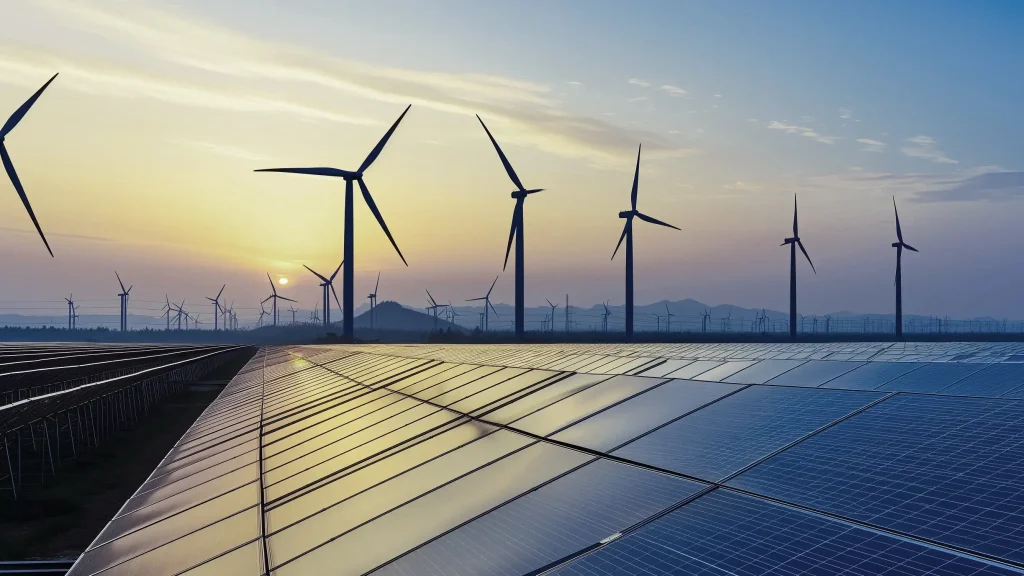
- Wind and solar reached 30 percent of EU electricity in 2025 while fossil fuels fell to 29 percent
- Solar delivered 13 percent of EU power and grew more than 20 percent for a fourth consecutive year
- Gas imports for power cost 32 billion euros (about $37 billion) amid lower hydro availability
Renewables Seize the Lead
Wind and solar generated more electricity in the European Union than fossil fuels in 2025 for the first time on record, according to new data published by energy think tank Ember. The shift was driven by a surge in solar installations across the bloc and took place against a backdrop of volatile gas markets, legacy coal phaseouts and ongoing power market reforms.
Solar alone supplied 13 percent of the bloc’s electricity last year after growing more than 20 percent for a fourth consecutive year. Wind delivered 17 percent. Together they accounted for 30 percent of total power generation, edging past fossil fuels which fell to 29 percent.
“As fossil fuel dependencies feed instability on the global stage, the stakes of transitioning to clean energy are clearer than ever,” said Beatrice Petrovich, senior energy analyst at Ember and lead author of the report.
Weather, Hydro Constraints and the Role of Solar
Ember noted that early 2025 was remarkably sunny across Europe. It also brought low wind speeds and subdued rainfall, pushing hydro output 12 percent lower and wind 2 percent lower relative to the prior year. Despite those weather constraints, total renewable generation remained resilient due to solar’s rapid expansion.
Solar generation increased in all EU member states and supplied more than a fifth of electricity in Hungary, Cyprus, Greece, Spain and the Netherlands. Petrovich told Reuters that strong solar output “helped keep the overall share of renewables stable” during months with muted wind and hydro resources.
Renewables in aggregate provided nearly half of the bloc’s power mix at 48 percent in 2025. Fourteen EU countries produced more electricity from wind and solar than from all fossil fuels combined, reinforcing structural changes in the region’s power system that include accelerated coal phaseouts and rising investment in grid integration and storage.
Coal’s Decline and Gas Exposure
Petrovich described coal’s shrinking role as irreversible. “Coal power is in its terminal decline. We could say it is becoming history for the EU,” she said. Coal’s share in the EU power mix fell to a record low of 9.2 percent last year, continuing a downward trend shaped by carbon pricing, national phaseout commitments and limited reinvestment in coal-fired fleets.
While coal waned, gas generation rose 8 percent in 2025 as utilities compensated for lower hydro output. Higher gas throughput pushed gas import costs for the power sector up 16 percent to 32 billion euros, approximately $37 billion. It was the first annual increase since the 2022 energy crisis, underlining continued sensitivity to global gas markets.
“The next priority for the EU should be to put a serious dent in reliance on expensive, imported gas,” Petrovich said. The report linked increased gas usage to higher wholesale prices, noting that power was 11 percent more expensive during gas-heavy hours than in 2024.
RELATED ARTICLE: EU Commission Proposes Reform of the EU Electricity Market Design to Boost Renewables
Implications for Markets, Policy and System Flexibility
For energy markets and investors, the data points to renewed volatility in intra-day pricing and heightened importance for storage, demand-side response and interconnection policies. Ember pointed to rapid growth in battery capacity, particularly in Germany, Italy and Poland. Additional storage is expected to shift wind and solar output toward evening demand peaks, which could mitigate price spikes and reduce balancing costs.
The governance dimension is equally relevant. The European Commission is finalizing reforms to the electricity market design that aim to expand long-term contracting, strengthen investment visibility for zero-carbon resources and protect consumers from short-term commodity swings. Member states are updating auction frameworks and permitting rules for solar and wind projects, while exploring ways to accelerate grid reinforcement.
For corporate buyers and industrial consumers, the changing generation mix intersects with power purchase agreements, carbon pricing and efforts to align operations with net zero strategies. The continued decline of coal and the improving competitiveness of solar power indicate reduced exposure to future carbon costs and greater availability of clean electricity for electrified processes.
A Regional Milestone With Global Echoes
Europe’s power system remains one of the largest laboratories for clean energy policy and integration. The bloc’s 2025 data shows that solar can offset weather-driven variability in other renewable resources at scale, and that coal retirement can continue even amid supply disruptions. The challenge now shifts toward cutting gas dependence without slowing progress on electrification and industrial decarbonization.
Clean power growth in the EU carries global relevance. It informs trade policy, hydrogen strategies, and the competitiveness debate between regions with divergent energy mixes. As markets weigh the next phase of investment, the combination of structural coal decline, rising solar penetration and emerging storage capacity offers a preview of how grids may balance security, affordability and emissions through the second half of the decade.
Follow ESG News on LinkedIn