K+S to convert Werra plant to cut carbon dioxide emissions
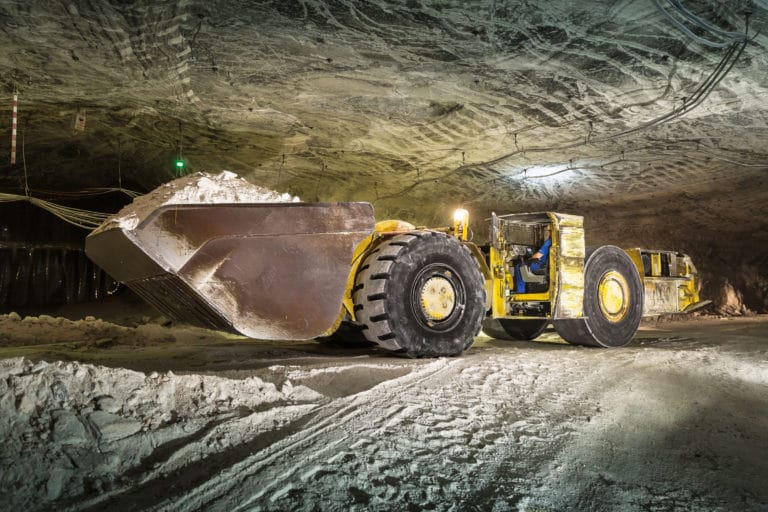
Potash and salt miner K+S announced on Monday it would be investing a mid-three-digit million sum in order to convert its largest potash plant in Germany, Werra, to ensure more environmentally friendly production until 2060.
The “Werra 2060” project, which aims to achieve higher and more stable production in the long term, is to be completed by 2026/2027, converting the Unterbreizbach and Wintershall sites to a dry processing method.
The move is expected to cut carbon dioxide emissions at the sites by about 50 percent.
See related article: E-Bus Deal Puts Oslo On Track For Zero-Emissions Public Transport Goal
The Werra plant is K+S’s largest potash site, generating almost 50% of the group’s EBITDA (earnings before interest, taxes, depreciation, and amortization), employing almost 4,400 people.
“In accordance with our climate strategy, we will increasingly use innovative, dry processing methods in the future, significantly reduce our emissions and at the same time take an important step towards the long-term decarbonization of domestic potash production,” said chairman of the board of executive directors Burkhard Lohr.
Source: Reuters

The ESG News Editorial Team is comprised of veteran financial journalists and sustainability analysts dedicated to providing real-time, objective reporting on global ESG regulations, climate finance, and corporate governance. Our desk monitors daily developments from the SEC, IFRS, CSRD and international regulatory bodies to ensure our 1M+ readers receive accurate, data-driven insights into the evolving sustainable investment landscape. Follow the ESG News Editorial Team for expert reporting on global sustainability standards, ESG disclosures, and climate policy. Access over 10,000 investigative reports and real-time updates.