
Zelestra And EDP Sign Spain’s First Solar Storage PPA
- First power purchase agreement in Spain to retrofit an operational solar plant with battery storage, setting a precedent for asset optimisation
- 160 MWh battery system added to a 50 MW solar plant, improving grid flexibility and energy management
- Expands Zelestra and EDP’s partnership following a 170 MW solar and 400 MWh storage agreement signed in 2025
Zelestra and EDP have signed a first-of-its-kind agreement in Spain that brings battery storage to an already operational solar plant, pushing the country’s energy transition into a more advanced phase focused on flexibility and optimisation.
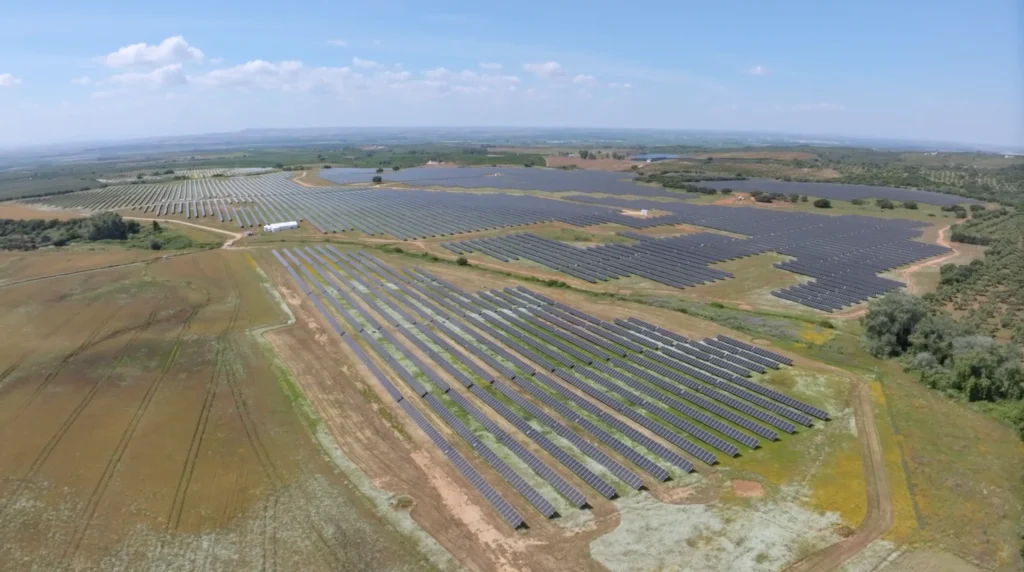
The long-term power purchase agreement will see Zelestra develop a 160 MWh battery energy storage system alongside the 50 MW Pizarroso solar plant in Cáceres, which has been generating power since 2023. The project introduces storage capacity to an existing renewable asset rather than building from scratch, a shift that reflects growing pressure on energy systems to better manage intermittency and demand fluctuations.
“Zelestra and EDP sign Spain’s first PPA to hybridise an operational solar plant with battery storage in Cáceres.”
Retrofitting Renewables Becomes A Strategic Priority
While Spain has rapidly expanded solar capacity over the past decade, the integration of storage has lagged. This agreement directly addresses that imbalance by demonstrating how existing infrastructure can be upgraded to deliver more consistent and dispatchable power.
The addition of a 160 MWh battery system to a mid-sized solar plant allows energy generated during peak sunlight hours to be stored and released when demand rises or generation falls. This reduces curtailment risk and strengthens the commercial value of renewable assets.
“160 MWh BESS to enhance a 50 MW solar plant operating since 2023.”
For EDP, which is already the offtaker for the Pizarroso facility, the hybridisation introduces new operational advantages. Storage will allow the company to better manage supply profiles, align output with market pricing, and respond more effectively to grid requirements.
“EDP, the existing offtaker for the solar plant, will leverage the addition of battery storage to enhance energy management and optimise system flexibility.”
RELATED ARTICLE: Zelestra Advances 27.5 MWdc Klevenow Solar Project in Germany
Scaling A Proven Partnership Model
The Cáceres agreement builds on a broader strategic alignment between Zelestra and EDP in Spain’s evolving clean energy market. In 2025, the companies signed the country’s first combined solar and battery storage PPA, covering 170 MW of solar capacity and 400 MWh of storage in Trujillo, Extremadura.
That earlier deal focused on new-build infrastructure. The latest agreement extends the model to operational assets, opening a new pathway for scaling storage without requiring additional land or permitting timelines typically associated with greenfield projects.
“Builds on Zelestra and EDP’s pioneering solar-plus-storage partnership in Spain.”
This approach is likely to gain traction as European markets face increasing renewable penetration and corresponding grid constraints. Retrofitting existing solar plants with storage offers a faster, potentially lower-cost route to balancing supply and demand.
What This Means For Investors And Energy Leaders
For investors and corporate energy buyers, the deal signals a shift in how renewable portfolios may be managed going forward. Hybridisation of operational assets introduces new revenue streams, enhances price arbitrage opportunities, and reduces exposure to volatility in wholesale markets.
From a governance perspective, Spain continues to align with broader European Union priorities around grid resilience and energy security. The integration of storage supports decarbonisation targets while addressing system reliability, a dual objective that is becoming central to policy frameworks across the region.
For corporate offtakers, the model also strengthens the case for long-term PPAs that incorporate flexibility rather than fixed generation profiles. As more companies seek to match renewable supply with real-time consumption patterns, hybrid assets are expected to play a growing role.
A Blueprint For Europe’s Next Phase Of Renewable Growth
The Cáceres project offers a replicable model for markets grappling with high renewable penetration and limited storage capacity. By demonstrating that existing solar plants can be upgraded with battery systems under structured PPAs, Zelestra and EDP provide a template that could accelerate storage deployment across Europe.
As energy systems transition from capacity expansion to optimisation, deals like this are likely to define the next phase of renewable growth. The focus is shifting from how much clean energy is produced to how effectively it can be stored, dispatched, and monetised within increasingly complex power markets.

The ESG News Editorial Team is comprised of veteran financial journalists and sustainability analysts dedicated to providing real-time, objective reporting on global ESG regulations, climate finance, and corporate governance. Our desk monitors daily developments from the SEC, IFRS, CSRD and international regulatory bodies to ensure our 1M+ readers receive accurate, data-driven insights into the evolving sustainable investment landscape. Follow the ESG News Editorial Team for expert reporting on global sustainability standards, ESG disclosures, and climate policy. Access over 10,000 investigative reports and real-time updates.