Ingka Group Expands $8.1 Billion Renewable Push with 110 MW Solar Buildout in Germany
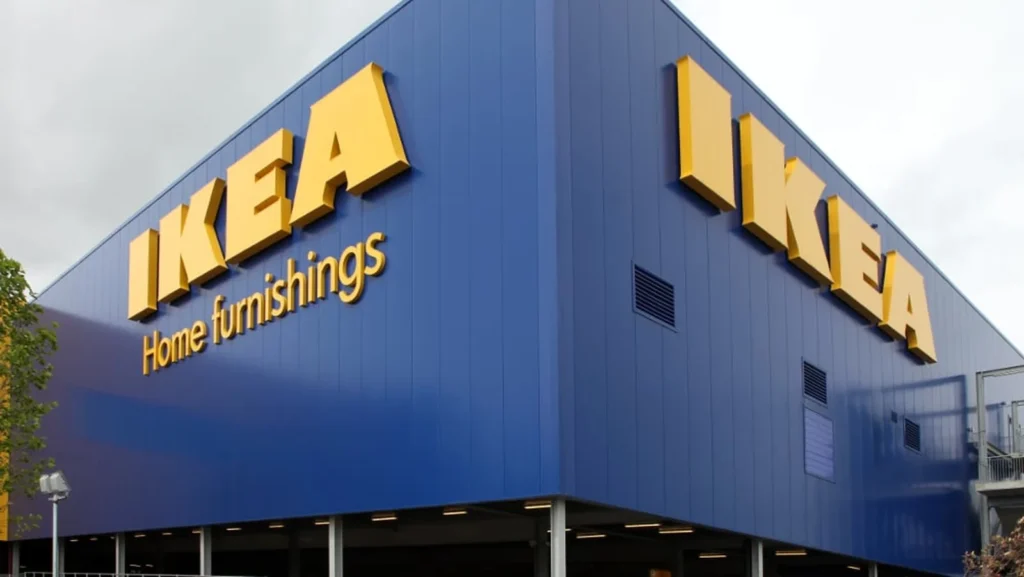
- Ingka Investments advances two solar parks in Germany, adding 110 MW capacity and powering around 26,000 households
- Part of a broader €7.5 billion (≈$8.1 billion) commitment to wind and solar projects by 2030
- Integrated strategy combines grid-scale generation with consumer-facing energy solutions, including rooftop kits and dynamic tariffs
Ingka Group’s investment arm is accelerating its role in Europe’s energy transition, launching construction on two new solar parks that deepen its footprint in Germany’s renewable infrastructure while extending its strategy into households.
Ingka Investments has begun building a solar park in Bokel Schäferkate, with a second project in Heideland scheduled to break ground in early 2027. Together, the developments will deliver 110 MW of installed capacity. The Bokel Schäferkate site is expected to come online by October 2026, followed by Heideland in October 2027.
Once operational, the two facilities will generate enough renewable electricity to supply roughly 26,000 European households annually. The expansion aligns with Germany’s 2030 renewable energy targets, which aim to significantly increase the share of clean power in the national grid while reducing reliance on fossil fuels.
Scaling Capital Into Grid Infrastructure
The projects form part of Ingka Investments’ broader €7.5 billion (approximately $8.1 billion) allocation toward utility-scale wind and solar assets by 2030. The capital deployment reflects a growing trend among corporates to move beyond internal decarbonisation and invest directly in energy systems.
Germany remains a priority market. The country’s energy transition, shaped by regulatory pressure and geopolitical shifts in energy supply, has created strong demand for private capital to accelerate renewable capacity. For investors, the combination of policy support, stable returns, and long-term power demand offers a compelling entry point.
By expanding its renewable portfolio in Germany, Ingka is not only hedging energy costs for its own operations but also participating in the structural transformation of Europe’s power markets.
Linking Infrastructure to Households
Alongside utility-scale investments, IKEA Germany is extending its energy strategy into the residential sector. Through a partnership with Svea Solar, the company is offering customers access to home energy solutions designed to simplify renewable adoption.
These include plug-in balcony solar kits, which allow households to generate electricity without complex installation, and a dynamic electricity tariff managed via an app. The tariff enables customers to access renewable energy at wholesale prices, integrating with existing home energy systems.
The approach reflects a shift toward decentralised energy models, where consumers play an active role in generation and consumption. For policymakers, such models are increasingly important to balancing grid demand and accelerating adoption at scale.
RELATED ARTICLE: Ingka Group Buys Stake in $1.4 Billion Australian Wind Farm
Executive Perspective
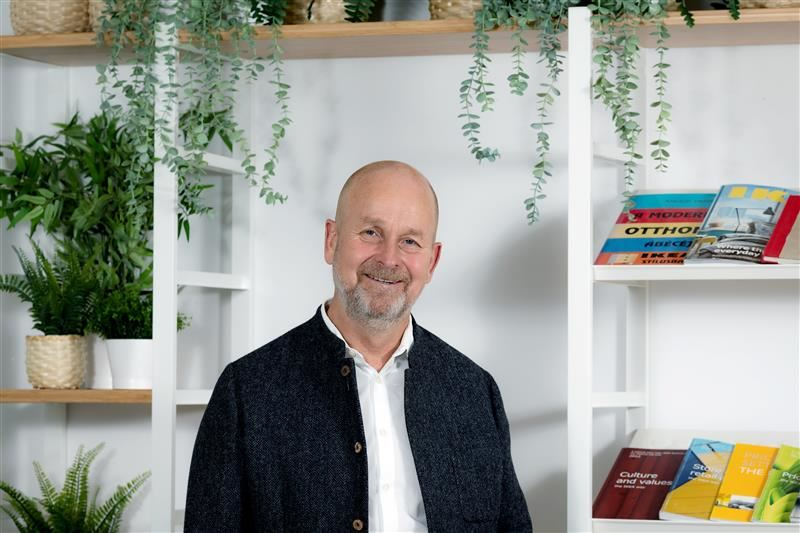
Peter Jelkeby, Country Retail Manager, IKEA Germany, framed the strategy as both commercial and societal: “For us, creating a better everyday life for the many people goes hand in hand with creating a more sustainable energy future. Through the investments in large-scale solar parks, we are helping to decarbonise the German energy system, not just our own operations. A greener grid benefits every household and business connected to it. At the same time, IKEA Germany also wants to empower customers directly through solutions in people’s homes – like balcony solar kits that are simple to set up, and a dynamic electricity tariff that opens up more affordable renewable power, making sustainable energy accessible. This approach ensures that sustainable energy transitions from an aspiration to an everyday reality for the many, truly shaping a better future for all.”
What This Means for Executives and Investors
For C-suite leaders and investors, Ingka’s model highlights a dual-track strategy gaining traction across Europe: pairing large-scale renewable generation with consumer-facing energy services. This approach diversifies revenue streams, reduces exposure to energy price volatility, and aligns with tightening ESG disclosure expectations.
It also signals a broader convergence between retail, energy, and technology sectors. Companies with strong consumer reach are increasingly positioned to influence energy behaviour at scale, turning sustainability into a product offering rather than a compliance exercise.
A System-Level Shift
Ingka Group’s latest investments reinforce a key dynamic in the energy transition: private capital is no longer confined to offsets or procurement contracts. It is actively shaping infrastructure, market access, and consumer participation.
As Germany advances toward its 2030 targets, the interplay between grid expansion and household adoption will define the pace of progress. Companies that can operate across both layers stand to play an outsized role in Europe’s evolving energy system.

The ESG News Editorial Team is comprised of veteran financial journalists and sustainability analysts dedicated to providing real-time, objective reporting on global ESG regulations, climate finance, and corporate governance. Our desk monitors daily developments from the SEC, IFRS, CSRD and international regulatory bodies to ensure our 1M+ readers receive accurate, data-driven insights into the evolving sustainable investment landscape. Follow the ESG News Editorial Team for expert reporting on global sustainability standards, ESG disclosures, and climate policy. Access over 10,000 investigative reports and real-time updates.