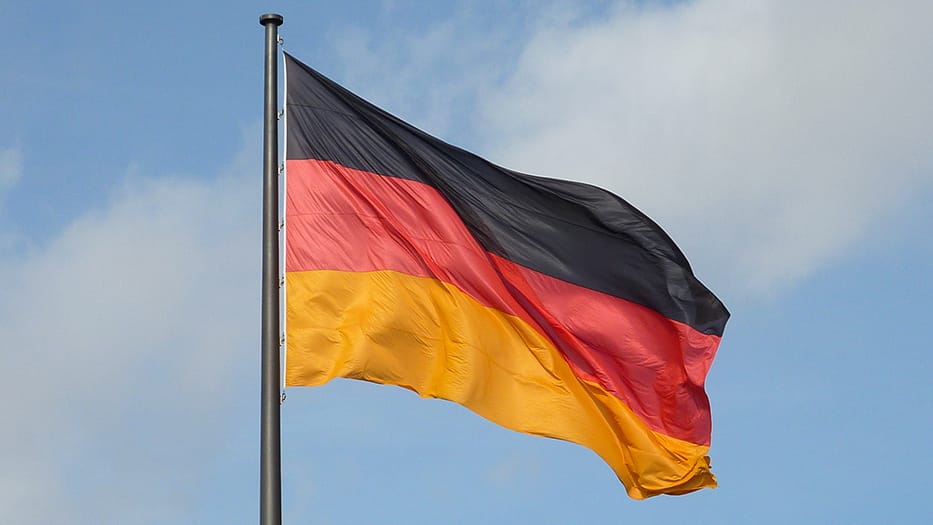
Germany Approves $1.9 Billion Fuel Relief Package Amid Energy Shock, Economic Strain
- €1.6 billion ($1.9 billion) fuel relief package cuts gasoline and diesel taxes by €0.17 per litre for two months
- Measures include €1,000 tax-free employer bonus and tighter antitrust oversight on fuel pricing
- Policy response shaped by Middle East conflict, EU regulatory debates, and Germany’s €140 billion fiscal gap through 2029
Germany’s coalition government has agreed on a €1.6 billion ($1.9 billion) fuel-cost relief package, stepping in to shield households and businesses from a sharp rise in energy prices driven by geopolitical tensions and supply disruptions.
The plan centres on a temporary reduction in fuel taxes, cutting gasoline and diesel prices by approximately €0.17 per litre over a two-month period. The move follows intense negotiations within Chancellor Friedrich Merz’s coalition, which had been divided over how to respond to surging oil prices linked to escalating conflict in the Middle East.
“This war is the real cause of the problems we are experiencing in our own country as well,” Merz said at a press conference, directly linking domestic economic pressure to global instability.

Policy Balancing Act Under Pressure
The agreement reflects a broader balancing act between immediate consumer relief and longer-term fiscal discipline. Alongside fuel tax cuts, the coalition approved a €1,000 tax-free bonus that employers can grant workers this year, designed to offset inflationary pressures without increasing payroll tax burdens.
At the same time, the government plans to tighten antitrust rules to better monitor fuel pricing behaviour and prevent excessive markups. Funding for the relief package will partly come from an increase in tobacco taxes, an already announced measure now repurposed to support energy relief efforts.
The policy response comes as Germany’s economy faces weak growth, rising costs, and external shocks. Officials are attempting to stabilise short-term conditions while advancing structural reforms, including income tax changes for lower- and middle-income households expected to take effect in 2027.
“These talks can sometimes be difficult, but over the weekend it became clear that we want to move forward in our country,” Finance Minister Lars Klingbeil said, signalling a fragile but functional compromise within the coalition.

Internal Divisions and EU Constraints
Despite the agreement, divisions remain within the government. A proposed windfall tax on energy companies’ profits, backed by Klingbeil, has faced resistance from Merz and conservative allies. The chancellor reiterated that Berlin would wait for guidance from the European Commission, which is currently examining such measures at the EU level.
The debate reflects a wider governance challenge across Europe, where policymakers must balance market intervention with regulatory consistency and investor confidence.
RELATED ARTICLE: Germany Targets Private Capital With $35 Billion Investment Fund
Germany has also indicated opposition to a planned tightening of EU CO2 levies on hybrid vehicles in 2027. Merz’s government is expected to push for a more “technology-open” approach in Brussels, including recognition of alternative fuels, a stance that could influence future EU climate policy frameworks.
Geopolitics Driving Economic Risk
The urgency of the relief package is closely tied to geopolitical developments. The Iran conflict has disrupted global energy flows, with concerns over a potential blockade of the Strait of Hormuz adding further volatility to oil markets.
“The Iran war is not our war, but it is our problem,” said Markus Söder, leader of the Christian Social Union, highlighting the spillover effects of international conflict on domestic economies.

German officials acknowledge that even a temporary ceasefire is unlikely to stabilise energy markets in the near term. The crisis is expected to have lasting economic consequences, compounding existing pressures from global trade tensions and structural weaknesses in Europe’s largest economy.
Fiscal Reality and Long-Term Reform
Beyond immediate relief, Germany faces a widening fiscal gap estimated at €140 billion through 2029. The coalition is working to integrate current measures into a broader medium-term budget strategy, which will include healthcare funding reforms and adjustments to public spending.
The absence of agreement on measures such as increasing commuter allowances highlights the limits of consensus within the coalition. Still, the fuel relief package signals a willingness to act decisively under pressure, even as longer-term reforms remain contested.
For business leaders and investors, the takeaway is clear. Germany is entering a phase of reactive policymaking shaped by geopolitical risk, fiscal constraints, and evolving EU regulations. Short-term interventions may provide relief, but structural challenges, including energy transition costs and budget gaps, will continue to define the country’s economic trajectory.
As Europe navigates a volatile energy landscape, Germany’s response offers an early indicator of how governments may balance climate commitments, economic resilience, and political cohesion in an increasingly uncertain global environment.

The ESG News Editorial Team is comprised of veteran financial journalists and sustainability analysts dedicated to providing real-time, objective reporting on global ESG regulations, climate finance, and corporate governance. Our desk monitors daily developments from the SEC, IFRS, CSRD and international regulatory bodies to ensure our 1M+ readers receive accurate, data-driven insights into the evolving sustainable investment landscape. Follow the ESG News Editorial Team for expert reporting on global sustainability standards, ESG disclosures, and climate policy. Access over 10,000 investigative reports and real-time updates.