BMW Group sets 2035 Climate Target to Cut CO2e by at Least 60 Million Tons
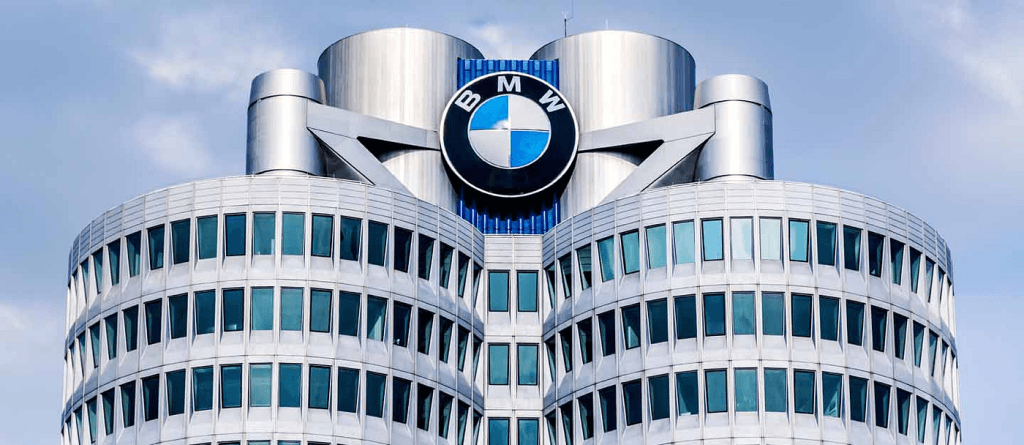
• BMW Group raises its long-term climate ambition, targeting at least 60 million tons of CO2e savings by 2035 compared to 2019.
• The new goal adds roughly 20 million tons of additional reductions beyond the company’s existing 2030 target.
• Measures span renewable energy, supply chain decarbonization, secondary materials, efficiency gains, and wider electrification.
BMW Group has introduced a new climate milestone that expands the scope of its long-term decarbonization commitments, setting a 2035 target to cut greenhouse gas emissions by at least 60 million metric tons of CO2e compared with 2019. The figure represents an additional 20 million tons of reductions beyond its current 2030 goal and deepens the company’s alignment with the Paris Agreement. The move is being framed internally as a step toward achieving net-zero emissions no later than 2050.
Expanding long-term decarbonization commitments
The company currently aims to reduce at least 40 million metric tons of CO2e across scopes 1, 2, and 3 by 2030. The new 2035 target extends that trajectory across the full vehicle life cycle, tightening expectations for manufacturing, supply chains, energy use, and the emissions profile of its global fleet. While the automotive sector remains under pressure from tightening European and global climate policies, BMW’s revised reduction pathway sets a more aggressive benchmark for the next decade.
BMW describes the 2035 milestone as “a logical next step on this road toward advancing decarbonization.” Company leadership emphasises that the shift is not limited to electric-vehicle expansion but is tied to a broader technology-neutral approach that applies to every drivetrain variant. By 2035, BMW projects that “each euro generated will see less than half as much CO2e emitted compared to 2019,” adding an economic efficiency layer to its climate framework.
Supply chain pressures and renewable energy requirements
A significant share of BMW’s emissions footprint lies outside direct operations, placing supply chain reform at the center of the plan. The company cites the rising use of renewable energy in production, along with supplier requirements on carbon performance, as major levers. Renewable procurement is expected to expand in both manufacturing hubs and upstream material processing, aligning with tightening EU requirements on industrial decarbonization and rising investor scrutiny of supply chain emissions.
BMW also highlights the “increased utilization of secondary raw materials” as a core pathway. The shift mirrors broader trends in the automotive sector, where recycled metals and low-carbon materials are becoming strategic inputs as inflationary pressure, commodity volatility, and regulatory expectations reshape procurement strategies.
RELATED ARTICLE: BMW Group Presents Innovations Toward Sustainable Mobility
Electrification and product innovation
A further component of the 2035 target is a continued rise in electrified vehicle sales. BMW states that an “increasing proportion of the vehicle fleet will continue to be electrified,” though the company is not setting a full-EV deadline as some competitors have. Instead, it is leaning on what it describes as technology neutrality: electric models, hybrid systems, and low-emission combustion technologies will all be pushed toward better lifecycle performance.
The company links these product decisions to “product and process innovations,” suggesting advancements in battery chemistry, efficiency gains in use-phase performance, and new assembly methods that reduce embedded emissions. BMW’s position reflects ongoing debate in Europe about whether climate pathways should be electrification-only or inclusive of multiple drivetrain technologies. The firm’s stance places it among manufacturers pursuing portfolio diversification rather than total electrification mandates.
What C-suite leaders and investors should watch
For investors and corporate strategists, BMW’s updated target adds pressure to evaluate long-term decarbonization through lifecycle metrics rather than tailpipe emissions alone. BMW’s framing is notable: reductions are tied not just to vehicle electrification but to economic output, where emissions per euro generated are expected to fall by more than half. That approach mirrors an emerging metric used by European corporates seeking to align climate strategies with financial materiality and transition-risk management.
The company’s emphasis on renewable energy sourcing and secondary materials may have significant implications for suppliers, particularly as automakers increasingly embed carbon-intensity thresholds into procurement contracts. The shift also foreshadows compliance demands for upcoming EU regulatory frameworks, where lifecycle carbon reporting and recycled-content requirements are likely to harden.
Global implications
BMW’s 2035 climate expansion comes as major markets accelerate industrial decarbonization. The EU’s carbon border levy, the US Inflation Reduction Act’s manufacturing incentives, and China’s rising EV competitiveness are increasing pressure on global automakers to demonstrate credible long-term transition plans. BMW’s new target situates the company within this competitive policy landscape, offering a clearer pathway toward its 2050 net-zero goal while signaling escalating expectations for supply chains and manufacturing partners across continents.
Follow ESG News on LinkedIn

The ESG News Editorial Team is comprised of veteran financial journalists and sustainability analysts dedicated to providing real-time, objective reporting on global ESG regulations, climate finance, and corporate governance. Our desk monitors daily developments from the SEC, IFRS, CSRD and international regulatory bodies to ensure our 1M+ readers receive accurate, data-driven insights into the evolving sustainable investment landscape. Follow the ESG News Editorial Team for expert reporting on global sustainability standards, ESG disclosures, and climate policy. Access over 10,000 investigative reports and real-time updates.