COFCO International Secures $435 Million Sustainability-Linked Loan
- $435 million facility links financing costs directly to responsible sourcing and labour safeguards in agriculture supply chains
- First publicly disclosed sustainability-linked loan in South America’s agriculture sector focused entirely on social and resilience metrics
- Signals growing shift in sustainable finance from emissions-only targets to supply chain governance and social risk management
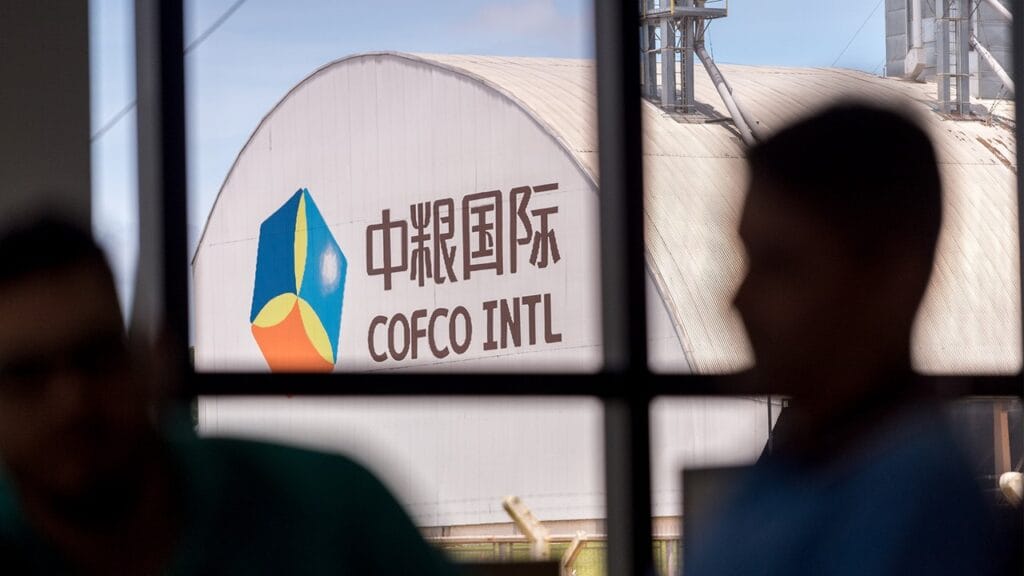
COFCO International and Standard Chartered have closed a $435 million sustainability-linked revolving credit facility designed to strengthen responsible agriculture supply chains across South America, placing social compliance and resilience at the centre of financing.
The deal introduces a financing structure rarely seen in agricultural markets. Unlike most sustainability-linked loans that prioritise emissions reductions, this facility ties borrowing costs directly to improvements in supply chain governance, labour safeguards, and certified sourcing practices.
For global commodity markets, where South America plays a critical role in supplying grains and oilseeds, the structure reflects a recalibration of ESG priorities toward social risk and operational resilience.
Financing Linked to Measurable Supply Chain Performance
The facility aligns COFCO International’s financing terms with two externally verified key performance indicators tied to supply chain integrity.
These include increasing volumes of grains and oilseeds certified under recognised responsible agriculture standards, including the COFCO Responsible Agriculture Standard, and strengthening supplier due diligence alongside labour protections in Brazilian soy and corn supply chains.
The model directly connects access to capital with measurable improvements in how agricultural commodities are sourced, traded, and monitored. For lenders and investors, this creates a clearer link between ESG performance and financial risk.
Helen Song, CFO at COFCO International, said: “This facility represents a deep integration of our sustainability goals with corporate financial management, reinforcing our long-standing commitment to responsible sourcing and supply chain safeguards across key origination markets. By innovatively linking financing to measurable progress in certified sourcing and supplier due diligence, the structure supports the continued expansion of responsible and certified sustainable agricultural supply chains and improved market access for producers.”
Standard Chartered Expands Scope of Sustainable Finance
For Standard Chartered, the transaction reflects a strategic expansion of sustainability-linked financing beyond climate mitigation into broader ESG dimensions.
Wan Thonh, Head of Coverage, SG and ASEAN at Standard Chartered, said: “The closing of this pioneering Sustainability-Linked Loan with COFCO International reflects our commitment to progress commerce in a way that delivers real impact for communities and supports a just transition. This milestone demonstrates the strength of our long-standing relationship with COFCO International and the trust they place in Standard Chartered, which enabled us to originate and structure a solution aligned to both COFCO International’s sustainability ambitions and our own values.”

Marisa Drew, Chief Sustainability Officer at Standard Chartered, added: “Leveraging our sustainable finance expertise to help close Standard Chartered’s first social resilience themed sustainability linked loan is an important step. Sustainability-linked financing has principally revolved around mitigating GHG emissions and managing environmental risks and impacts of business operations, however for COFCO International, we have used our deep supply chain expertise to structure a transaction that focuses on addressing social and resilience risks to their global supply chains.”

The transaction reflects a broader evolution in sustainable finance, where lenders are increasingly incorporating social indicators, human rights considerations, and supply chain transparency into credit structures.
RELATED ARTICLE: Standard Chartered Introduces ESG-Linked Cash Account
Governance Pressure Builds Across Agricultural Supply Chains
South America’s agricultural sector remains central to global food and feed systems, yet it faces mounting scrutiny over land-use practices, labour conditions, and traceability.
Climate volatility, deforestation risks, and regulatory tightening in key export markets such as the EU are pushing commodity traders to demonstrate stronger oversight across their supply chains. Financing structures like this one provide a mechanism to enforce accountability while incentivising improvement.
By embedding due diligence and certification targets into financing agreements, lenders are effectively turning governance expectations into financial obligations.
What This Means for Executives and Investors
For C-suite leaders and investors, the transaction highlights a shift in how ESG risk is priced and managed within global commodity markets.
Access to capital is increasingly contingent not only on emissions performance but also on supply chain transparency, labour protections, and compliance with evolving regulatory frameworks. This has direct implications for cost of capital, market access, and long-term resilience.
The COFCO-Standard Chartered facility demonstrates how financial institutions are moving upstream into supply chains to manage risk more proactively. It also reflects rising expectations from regulators, buyers, and investors for verifiable, data-driven ESG performance.
As global food systems face intensifying pressure from climate change and social risk, financing models that integrate governance and resilience into core business operations are likely to become standard practice across the sector.
Follow ESG News on LinkedIn

The ESG News Editorial Team is comprised of veteran financial journalists and sustainability analysts dedicated to providing real-time, objective reporting on global ESG regulations, climate finance, and corporate governance. Our desk monitors daily developments from the SEC, IFRS, CSRD and international regulatory bodies to ensure our 1M+ readers receive accurate, data-driven insights into the evolving sustainable investment landscape. Follow the ESG News Editorial Team for expert reporting on global sustainability standards, ESG disclosures, and climate policy. Access over 10,000 investigative reports and real-time updates.