ENGIE Launches Largest Solar Facility With 753 MW Project in Brazil
- 753 MW solar complex with BRL 3.3 billion investment expands Brazil’s renewable capacity and energy security
- Generates electricity for roughly 850,000 people while creating 4,500 construction jobs and local infrastructure upgrades
- Reinforces ENGIE’s 15.7 GW renewable portfolio in Brazil and supports regional grid expansion and decarbonization goals
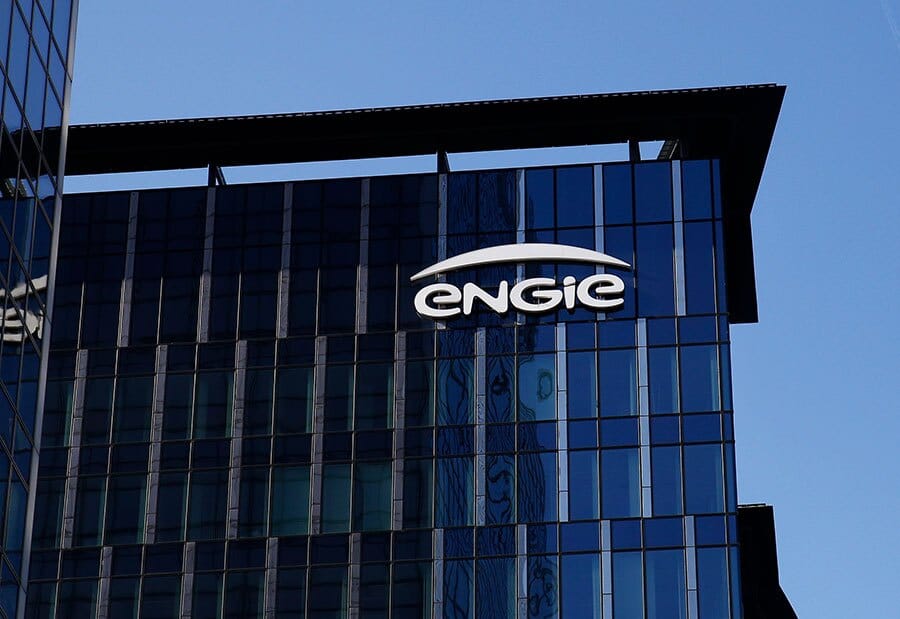
ENGIE has completed and received regulatory approval for the Assú Sol photovoltaic complex, its largest operational solar facility worldwide, marking a major addition to Brazil’s renewable energy capacity.
Located in the northeastern state of Rio Grande do Norte, the complex comprises 16 solar plants with a combined installed capacity of 753 megawatts. Brazilian authorities granted final approval on 13 February 2026 following construction completion in December 2025. Total investment reached BRL 3.3 billion.
Built on a 2,344 hectare site, Assú Sol is expected to generate enough electricity annually to supply a city of approximately 850,000 residents. The facility includes more than 1.5 million photovoltaic modules, 12,000 km of cabling, and 53 km of internal access roads.
Industrial Execution at Scale
Delivered over a 30 month construction period, the project was completed on schedule and within budget while meeting strict safety standards. More than 4,500 direct jobs were created during construction, reinforcing the project’s regional economic impact.
ENGIE deployed advanced engineering and construction technologies to improve precision and safety. These included drone based aerial mapping, automated graders integrated with 3D modelling, and, for the first time in Brazil, a dedicated automatic pile driving machine designed for solar installations. The company said these methods enabled faster deployment and improved industrial and environmental performance.
Large scale renewable projects in emerging markets increasingly require industrial efficiency to control costs, meet grid demand growth, and deliver reliable output. Assú Sol’s execution model reflects growing pressure on developers to combine scale with operational discipline.
Community Integration and Social Investment
Beyond power generation, ENGIE implemented community initiatives aimed at strengthening local infrastructure and livelihoods in the Assú region. These include the construction of a school and health center, multisport facilities, improved water access, and the donation of agricultural equipment.
Such social investments have become central to securing project acceptance and aligning with ESG expectations tied to large infrastructure developments.
Strengthening ENGIE’s Brazil Platform
Brazil remains a cornerstone of ENGIE’s global renewable strategy. The company operates 15.7 gigawatts of renewable capacity in the country across hydropower, onshore wind, and solar assets. It also manages 3,200 km of transmission lines and 22 substations.
RELATED ARTICLE: Engie, Amazon Inaugurate Italy’s Biggest Agrivoltaic Farm
Recent additions reinforce this footprint. In December 2025, the Serra do Assuruá wind complex in Bahia reached full operation with 846 MW of capacity, becoming ENGIE’s largest onshore wind facility worldwide. The company has also commissioned the first 334 km section of the Asa Branca transmission network, which will ultimately extend more than 1,000 km across Bahia, Minas Gerais, and Espírito Santo. Further expansion includes the remaining Asa Branca segments and the Graúna project, which will add 780 km of transmission lines linking Paraná and Santa Catarina.
Transmission expansion is critical as Brazil integrates increasing volumes of renewable generation from resource rich northeastern regions into major demand centers.
Strategic Implications for Energy Security and Decarbonization
Brazil’s electricity system is already among the world’s cleanest, yet rising demand and climate variability affecting hydropower output are accelerating diversification into wind and solar. Utility scale projects such as Assú Sol help stabilize supply while advancing national decarbonization objectives and energy security.
“Assú Sol demonstrates our ability to deliver large scale renewable projects with efficiency and industrial excellence. Commissioning our largest solar complex worldwide on time, on budget, and in close collaboration with local communities reflects the know how of our teams and the strength of our renewable strategy in Brazil and internationally,” said Paulo Almirante, ENGIE Senior Executive Vice President in charge of Renewable and Flexible Power.

For investors and policymakers, Assú Sol illustrates the growing maturity of Latin America’s renewable energy market, where utility scale solar, grid expansion, and social integration are converging to support long term energy transition goals.
Follow ESG News on LinkedIn

The ESG News Editorial Team is comprised of veteran financial journalists and sustainability analysts dedicated to providing real-time, objective reporting on global ESG regulations, climate finance, and corporate governance. Our desk monitors daily developments from the SEC, IFRS, CSRD and international regulatory bodies to ensure our 1M+ readers receive accurate, data-driven insights into the evolving sustainable investment landscape. Follow the ESG News Editorial Team for expert reporting on global sustainability standards, ESG disclosures, and climate policy. Access over 10,000 investigative reports and real-time updates.