FAB Misr Launches Launches Solar Powered Green Schools Initiative in Egypt
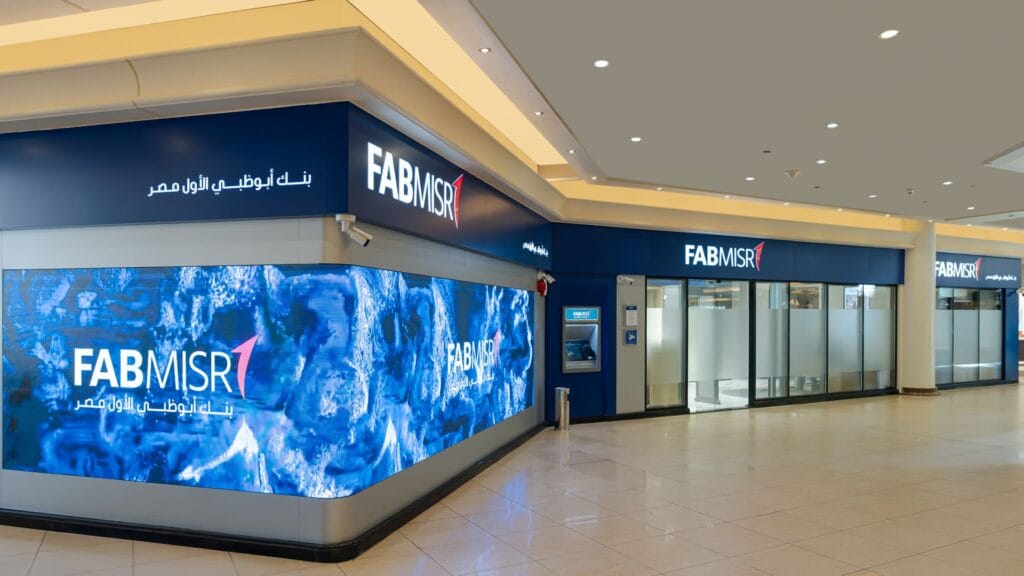
- First Abu Dhabi Bank Misr pilots a sustainability model integrating renewable energy, water reuse, and waste management in Cairo public schools.
- Initiative aligns with Egypt Vision 2030 and national climate priorities while positioning civil society as delivery partners.
- Environmental upgrades and awareness programs will reach roughly 3,500 students and 150 teachers, with measurable cooling and emissions reduction benefits.
First Abu Dhabi Bank Misr (FABMISR) has launched the “Green Schools for a Sustainable Future” initiative, a public school sustainability pilot developed with Egypt’s Ministry of Education and Technical Education and Ain El Bee’ah Association for Environmental, Agricultural Services and Sustainable Development.
The program will debut at Asmaa Secondary School for Girls in Maadi, Cairo, introducing climate resilient infrastructure alongside environmental education and community engagement. The initiative is designed as a replicable model that integrates sustainability practices into public education while supporting national goals for inclusive economic growth and environmental stewardship.
Infrastructure upgrades cut emissions and heat
The project combines renewable energy, water reuse, and waste management systems aimed at reducing resource consumption and improving environmental performance.
A solar powered greywater treatment unit will supply irrigation water for a new green area, where tree planting and an integrated irrigation network will improve microclimate conditions. Waste segregation stations for organic and solid materials will be installed across the campus to support recycling and emissions reduction.
The improvements are expected to reduce on site temperatures by four to five degrees Celsius, helping mitigate heat stress while creating healthier learning conditions.
Beyond infrastructure, the program includes environmental awareness training targeting approximately 3,500 students and 150 teachers. The education component is intended to embed sustainability literacy and promote behavioral change that extends beyond school grounds.
Aligning finance, education and national climate policy
The initiative supports Egypt Vision 2030, the UN Sustainable Development Goals, and the national Go Green initiative. It also reflects a governance model that leverages partnerships among financial institutions, government agencies, and civil society organizations.
Ahmed Mamdouh Hassan, Chief Corporate Governance Officer, Board Secretary, and Head of Sustainability at FABMISR, said: “At FABMISR, sustainability is not a concept—it is a responsibility. Through the ‘Green Schools for a Sustainable Future’ Initiative, we are supporting national priorities under Egypt’s Vision 2030, sustainable developments goals and the Go Green Initiative and investing in education as a driver of long-term environmental and social impact. This project reflects our commitment to developing scalable, measurable models that create real value for communities and future generations.”
The collaboration positions civil society groups as implementation partners, reflecting an increasing reliance on non governmental actors to deliver localized climate and development outcomes.
Ahmed Moawad, Chairman of Ain El Bee’ah Association, said: “Ain El Bee’ah Association is a proactive partner in implementing this initiative, drawing on its expertise in environmental education and sustainable development. Through awareness programs and practical applications, we aim to achieve measurable and tangible impact. Transforming schools into green models is not merely an environmental project—it is an investment in a generation capable of leading the transition to a more sustainable society.”
RELATED ARTICLE: Meta Secures 650 MW of Solar Power Through Long-Term PPAs with AES
Why it matters for investors and policy leaders
Education infrastructure is emerging as a frontier for climate adaptation and social investment in emerging markets. By combining renewable energy, water efficiency, and environmental literacy, the pilot creates a measurable framework that can be scaled across school systems.
For financial institutions, projects of this kind provide a pathway to demonstrate ESG impact beyond traditional lending and financing activities. For policymakers, they offer proof of concept for integrating climate resilience into public infrastructure at community level.
Egypt faces intensifying climate risks, including heat stress and water scarcity. Programs that reduce temperature exposure, conserve water, and promote environmental awareness contribute directly to national resilience planning.
Scaling sustainability through partnerships
FABMISR’s initiative reflects a broader shift in the region toward sustainability driven public private partnerships that align finance with development priorities. By embedding climate solutions into education systems, the program builds environmental awareness while delivering tangible infrastructure benefits.
If replicated across Egypt’s public schools, the model could support climate adaptation, resource efficiency, and youth engagement at scale, reinforcing the role of financial institutions as catalysts for long term environmental and social resilience.
Follow ESG News on LinkedIn

The ESG News Editorial Team is comprised of veteran financial journalists and sustainability analysts dedicated to providing real-time, objective reporting on global ESG regulations, climate finance, and corporate governance. Our desk monitors daily developments from the SEC, IFRS, CSRD and international regulatory bodies to ensure our 1M+ readers receive accurate, data-driven insights into the evolving sustainable investment landscape. Follow the ESG News Editorial Team for expert reporting on global sustainability standards, ESG disclosures, and climate policy. Access over 10,000 investigative reports and real-time updates.