WalMart expands transportation partnerships with electric, hydrogen vehicle pilots
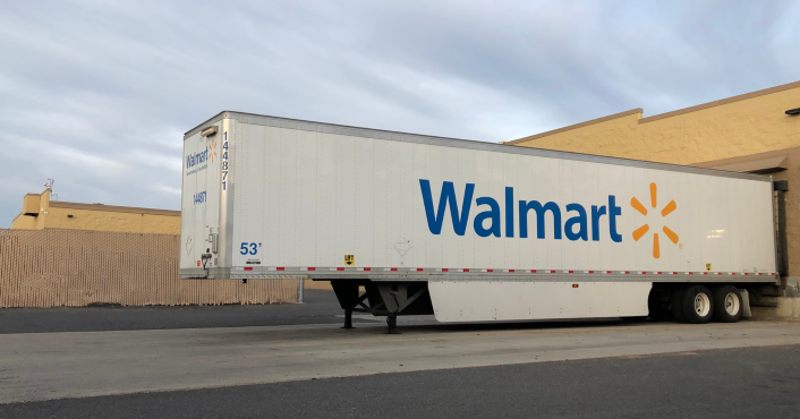
Retail giant Walmart has expanded transportation pilots with manufacturers of electric, hydrogen, and natural gas-powered vehicles, including Cummins Inc and Daimler Truck’s Freightliner. The partnerships, which are in addition to previously announced transportation tie-ups, are part of Walmart’s 2040 goal to achieve zero emissions across its global operations, including its fleet of roughly 10,000 tractors and 80,000 trailers.
A larger number of companies have been pushing into the growing commercial EV space in an effort to slash emissions. But Walmart’s U.S. senior vice president, Fernando Cortes, cautioned the company was in the early phase.
“We’re still in the testing stage and trying these technologies,” Cortes said. “We know that for us to decarbonize our fleet, there’s no one solution that can get us really to scale and that’s ready to give us that future that we want.”
See related article: Walmart Health Introduces Telehealth Diabetes Program To Help Businesses Support Employees Through Education and Behavioral Care
Walmart said it will receive an unspecified number of Cummins’ new 15-liter natural gas engines early next year, which the retailer plans to build into its trucks.
Walmart said it had signed an agreement with Chevron Corp to supply compressed natural gas and said it also plans to run a battery-powered pilot this summer using Freightliner’s eCascadia and Nikola Corp’s Tre BEV heavy-duty trucks at one of its California distribution centers. It also plans to test hydrogen-fuel-cell-powered yard trucks by Texas-based Capacity. The retailer in January announced it had reserved 5,000 electric delivery vans with General Motors’ commercial EV business BrightDrop.
Walmart Canada in 2020 had placed reservations for 130 of Tesla Inc’s Semi trucks, but the EV leader has yet to start manufacturing the Semi.
Cortes said Walmart U.S. was trying to understand which solutions worked best in its fleet. “We do have the option to purchase Tesla’s electric Semi trucks, but we not have shared any public commitments,” he said.
Why This Matters for ESG Investors
Walmart’s expansion into electric and hydrogen pilots is a critical indicator of how the world’s largest retailer is navigating transition risk. For ESG investors, these developments provide three key value signals:
1. De-Risking the 2040 Net-Zero Roadmap
Walmart has committed to zero emissions across global operations by 2040 without relying on carbon offsets. Since transportation is a primary driver of Scope 1 emissions, these pilots with Cummins, Daimler, and Tesla are the “proof of concept” required to meet mid-term decarbonization targets. Investors view these partnerships as a hedge against future carbon taxes and tightening fuel-efficiency regulations.
2. Operational Efficiency & Resilience
Beyond carbon, the shift to electric and hydrogen addresses long-term cost volatility.
- Energy Security: Diversifying the fleet with natural gas, hydrogen, and electric power reduces exposure to diesel price spikes.
- Innovation Alpha: By being an early adopter of hydrogen fuel-cell technology (which offers faster refueling and longer range than battery-electric), Walmart is helping to mature the infrastructure that will eventually lower total cost of ownership (TCO) across its 10,000-tractor fleet.
3. Supply Chain “Gigaton” Leadership
Through Project Gigaton, Walmart is pushing its suppliers to eliminate one billion metric tons of greenhouse gases by 2030. By electrifying its own fleet, Walmart gains the moral and operational authority to demand similar shifts from its thousands of logistics partners, creating a “multiplier effect” that improves the Scope 3 emissions profile for all investors in the retail ecosystem.
Subscribe to ESG News’ Daily ESG Newsletter | Follow us on LinkedIn

The ESG News Editorial Team is comprised of veteran financial journalists and sustainability analysts dedicated to providing real-time, objective reporting on global ESG regulations, climate finance, and corporate governance. Our desk monitors daily developments from the SEC, IFRS, CSRD and international regulatory bodies to ensure our 1M+ readers receive accurate, data-driven insights into the evolving sustainable investment landscape. Follow the ESG News Editorial Team for expert reporting on global sustainability standards, ESG disclosures, and climate policy. Access over 10,000 investigative reports and real-time updates.