
DHL, IAG Cargo Expand SAF Deal To Cut 640,000 Tonnes CO2e, Secure Long-Term Fuel Supply
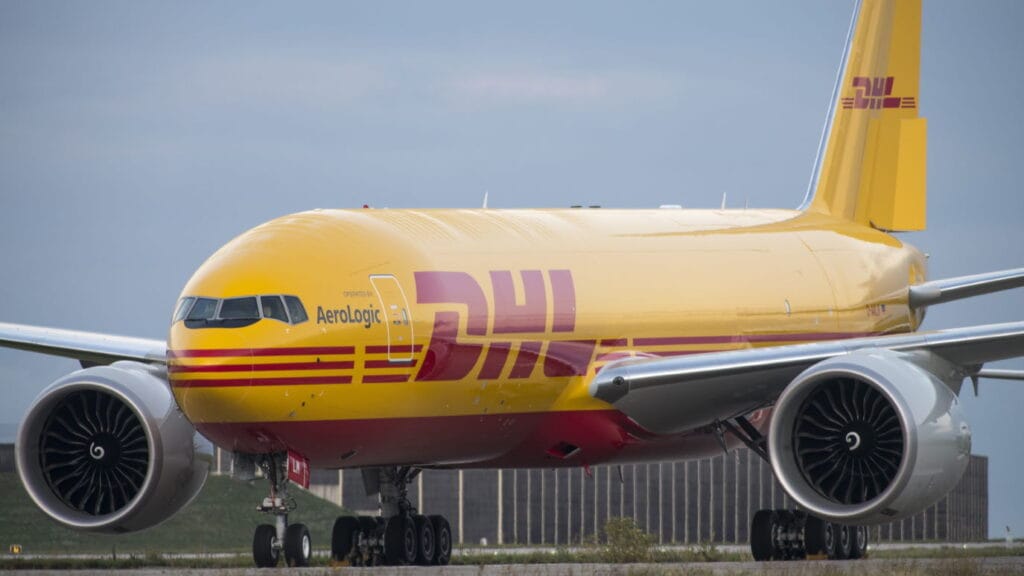
- Five-year SAF agreement targets ~240 million liters uplift at London Heathrow Airport, cutting ~640,000 tonnes CO2e lifecycle emissions
- Cross-divisional framework could push total reductions beyond 1 million tonnes across the DHL Group
- Long-term contracts strengthen SAF market demand visibility as corporates seek Scope 3 reductions
In a move aimed at locking in supply and stabilising decarbonisation pathways, DHL Group has expanded its sustainable aviation fuel agreement with IAG Cargo through a new five-year deal tied to operations at London Heathrow Airport.
The agreement, combined with a 2025 renewal, will see approximately 240 million liters of SAF deployed, targeting emissions reductions tied to DHL Express cargo transported on British Airways flights, part of the broader International Airlines Group network.
DHL Express will account for Scope 3 emissions reductions from roughly 40 million liters of neat SAF annually. Across the contract period, this equates to an estimated 640,000 tonnes of CO2e lifecycle emissions avoided. The fuel is derived from waste-based feedstocks such as used cooking oil and is certified by International Sustainability & Carbon Certification, delivering up to 90% lifecycle emissions reductions compared to conventional jet fuel.
Scaling Supply Through Cross-Divisional Strategy
The agreement extends beyond a single business unit. A parallel framework between DHL Global Forwarding and IAG Cargo reinforces a group-wide approach to securing diversified SAF supply.
This structure reflects a broader shift among logistics and aviation players toward aggregated procurement models. By consolidating demand across divisions, DHL is aiming to de-risk supply constraints while improving pricing visibility and contract certainty.
The expanded framework could increase lifecycle emissions reductions across DHL’s operations to more than 1 million tonnes. It also positions the company to respond to growing customer demand for lower-emissions freight solutions, particularly among multinational corporates facing rising disclosure and decarbonisation requirements.
Market Signal For SAF Demand And Pricing
The deal highlights a critical dynamic in aviation decarbonisation: long-term offtake agreements are becoming essential to scaling SAF production.
Supply remains limited and cost premiums over fossil jet fuel persist. Agreements of this size provide producers with demand certainty, which is necessary to unlock investment in refining capacity and feedstock supply chains.
For airlines and logistics providers, these contracts offer a way to secure access in an increasingly competitive market while enabling credible emissions reduction claims tied to customer shipments.
RELATED ARTICLE: DHL, Henkel Expand Sustainable Marine Fuel Use in 2025
“This agreement shows what is possible when two committed SAF users in the industry pool their efforts,” said Travis Cobb, EVP Global Network Operations & Aviation at DHL Express. “It significantly expands our ability to reduce lifecycle greenhouse gas emissions on a major trade lane and demonstrates how cross-sector partnerships can contribute towards concrete lifecycle greenhouse gas emissions reductions.”
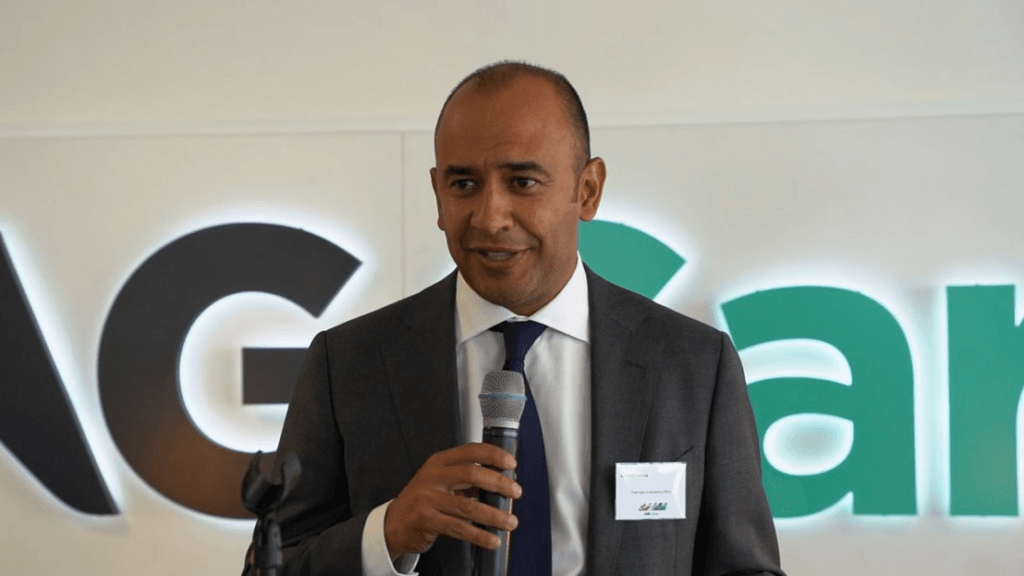
Camilo Garcia Cervera, Chief Sales and Marketing Officer at IAG Cargo, said: “DHL and IAG Cargo have a longstanding relationship, and it’s great to see our partnership continue to grow as we work together to deliver more sustainable air freight solutions while we keep global trade moving. Partnerships like these will be critical to scaling the use of sustainable aviation fuel.”
Governance And Corporate Targets Driving Adoption
The agreement aligns with DHL’s target to reach 30% SAF usage in air transport by 2030, a key component of its broader sustainability strategy. It also reflects increasing pressure from regulators and investors for verifiable Scope 3 emissions reductions, particularly in hard-to-abate sectors like aviation and logistics.
Corporate customers are also playing a growing role. Many are willing to pay a premium for SAF-backed shipping solutions to meet internal climate targets and comply with emerging disclosure frameworks.
What This Means For Executives And Investors
For C-suite leaders, the transaction illustrates how decarbonisation is moving from voluntary commitments to structured, long-term procurement strategies. Access to SAF is no longer opportunistic; it is becoming a secured input with contractual obligations.
For investors, the signal is equally clear. Companies able to lock in SAF supply and integrate it into scalable logistics offerings are better positioned to capture demand from sustainability-driven clients while mitigating regulatory risk.
The broader implication is global. As more corporates enter long-term SAF agreements, demand visibility will improve, accelerating investment across the fuel supply chain. This, in turn, could narrow the cost gap with conventional fuels over time.
In a constrained market, partnerships like this are shaping not only emissions trajectories but also the future economics of aviation.

The ESG News Editorial Team is comprised of veteran financial journalists and sustainability analysts dedicated to providing real-time, objective reporting on global ESG regulations, climate finance, and corporate governance. Our desk monitors daily developments from the SEC, IFRS, CSRD and international regulatory bodies to ensure our 1M+ readers receive accurate, data-driven insights into the evolving sustainable investment landscape. Follow the ESG News Editorial Team for expert reporting on global sustainability standards, ESG disclosures, and climate policy. Access over 10,000 investigative reports and real-time updates.