

Global Leaders Push to Triple Renewables by 2030
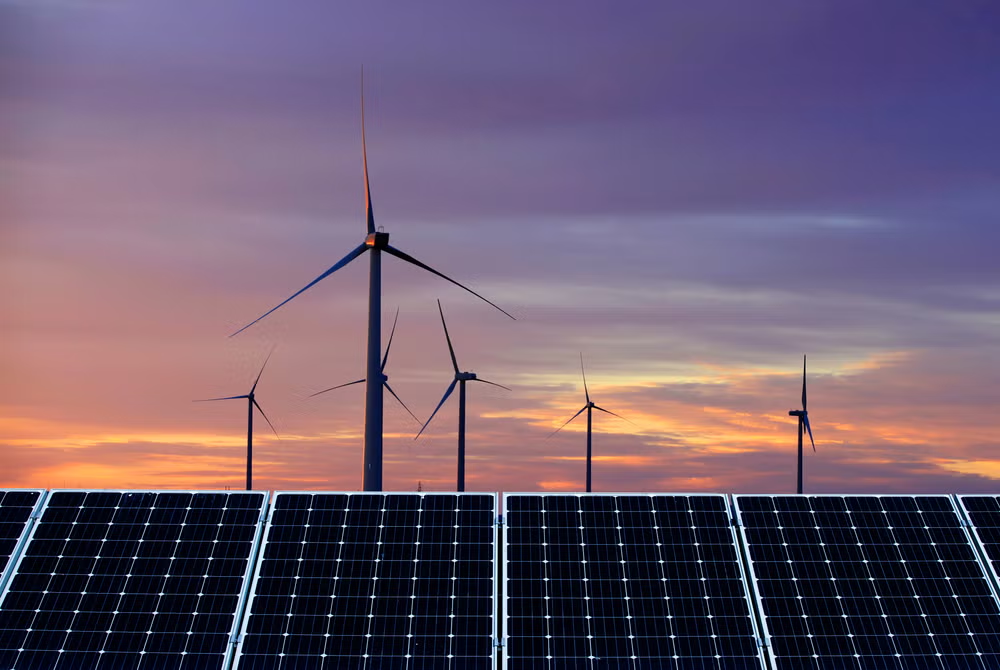
- Global leaders called for faster clean electrification and a tripling of renewable energy capacity by 2030 as electricity demand rises worldwide.
- COP31 is putting electrification at the centre of its agenda, with a “35-by-35” ambition to reach 35% electrification by 2035.
- Business demand is strengthening the case for investment: recent polling across 18 countries found 90% of surveyed companies expect to be largely electrified by 2035.
Leaders put electrification at centre of climate strategy
Governments, business leaders and civil society groups are pushing for faster renewable energy deployment as rising power demand reshapes the global energy transition.
More than 20 senior decision-makers met behind closed doors at the Global Renewables Summit during Climate Week NYC. The High-Level Leaders Dialogue was co-hosted by Fortescue, the Global Renewables Alliance and Climate Group.
Discussions focused on accelerating clean electrification and tripling global renewable energy capacity by 2030. Leaders examined the policy reforms, infrastructure and investment conditions needed to support that expansion.
The meeting also brought the COP31 agenda into sharper focus. A delegation from the COP31 Presidency joined the talks ahead of November’s climate conference in Antalya.
COP31 has set a flagship ambition of reaching 35% electrification by 2035.
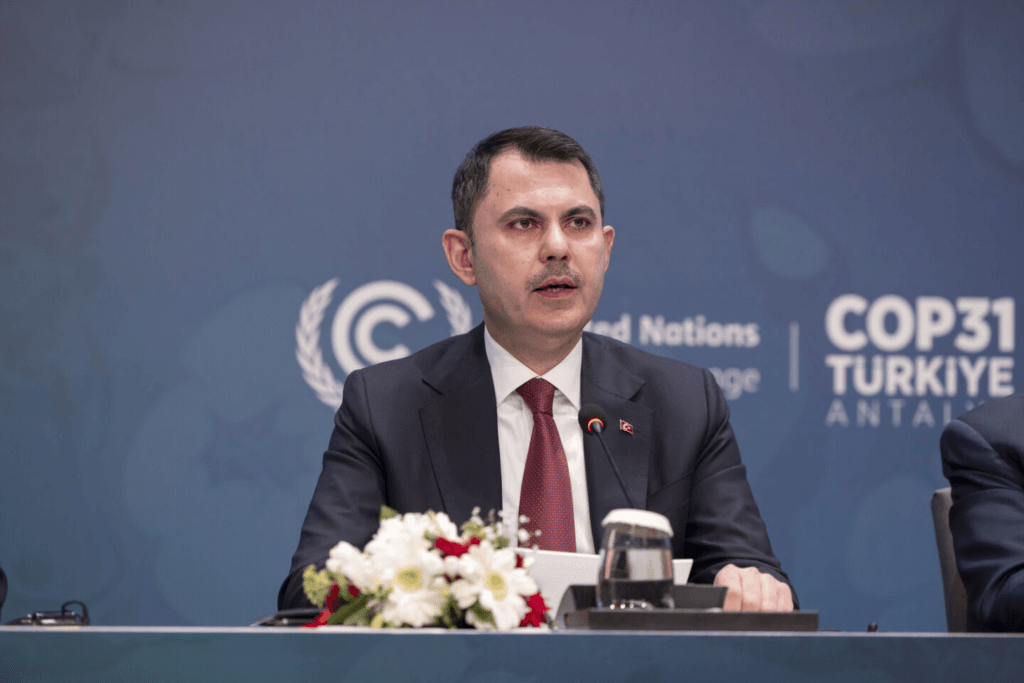
Murat Kurum, COP31 President-designate, said:
“At COP31, the world must focus on how to electrify the global economy. That is the task we have set everyone, anchored by our flagship “35-by-35” electrification target. New York climate week is a critical moment for us to engage with world leaders and set the political direction for the path forward. We are greatly encouraged by the growing momentum behind our agenda and will work with everyone to build up to a successful COP31 in Antalya this November.”
Governments confront grids, investment and AI demand
Participants included Ethiopian President Taye Atske Selassie and European Commission Executive Vice-President Teresa Ribera. UK Energy Security and Net Zero Secretary Miatta Fahnbulleh also attended, alongside Fortescue founder and Executive Chairman Dr Andrew Forrest and UNFCCC Executive Secretary Simon Stiell.
Their discussions went beyond adding renewable generation capacity. Leaders examined how grids, storage and electricity markets must change as economies electrify.
AI and data centres add another layer of urgency. Their expanding electricity requirements are forcing governments and companies to consider how future power demand can be met without increasing emissions or weakening energy security.
For investors, that places grid infrastructure, storage and renewable generation increasingly within the same investment equation. Governments also face pressure to provide clearer market rules that can unlock private capital while maintaining affordability and system reliability.
Business sentiment suggests companies are preparing for that shift. Recent polling of almost 2,000 business leaders across 18 countries found strong support for renewable-powered electrification backed by battery storage. Around 90% expect their businesses to be largely electrified by 2035.
RELATED ARTICLE: Apple Expands Renewable Energy Portfolio Across Europe
Electrification becomes an economic strategy
The political case for electrification is increasingly being framed around competitiveness as well as emissions reduction.
Miatta Fahnbulleh, UK Secretary of State for Energy Security and Net Zero, said:
“It’s been absolutely fantastic to be part of the global renewables summit. It’s clear that there is commitment and momentum towards electrification. This is good for the climate but also for our communities in terms of the jobs created and giving them access to affordable secure energy. That is the economic opportunity. From our conversations it is clear that there is genuine appetite to partner. And there is an absolute imperative to enable the transition to renewables.”

The discussions align with Electrify Now, an initiative launched in June 2026 to accelerate clean electrification through international cooperation, investment mobilisation and the sharing of solutions.
The European Commission coordinates its government coalition. Members now include Armenia, Australia, Brazil, Canada, Ethiopia, Germany, Jordan, Kenya, Palau, the Philippines, South Korea, Singapore, Türkiye, the UK and Uruguay.
For executives and investors, the debate is moving from renewable targets toward the infrastructure required to deliver them. Grid capacity, storage, permitting, market design and access to capital will determine how quickly electrification can advance.
With COP31 approaching, those issues are also moving higher on the diplomatic agenda. The challenge now is converting political ambition and corporate demand into enough generation, storage and grid investment to support a more electrified global economy.

The ESG News Editorial Team is comprised of veteran financial journalists and sustainability analysts dedicated to providing real-time, objective reporting on global ESG regulations, climate finance, and corporate governance. Our desk monitors daily developments from the SEC, IFRS, CSRD and international regulatory bodies to ensure our 1M+ readers receive accurate, data-driven insights into the evolving sustainable investment landscape. Follow the ESG News Editorial Team for expert reporting on global sustainability standards, ESG disclosures, and climate policy. Access over 10,000 investigative reports and real-time updates.
