

American Electric Power to Invest $4 Billion in Google Fuel Cell Project
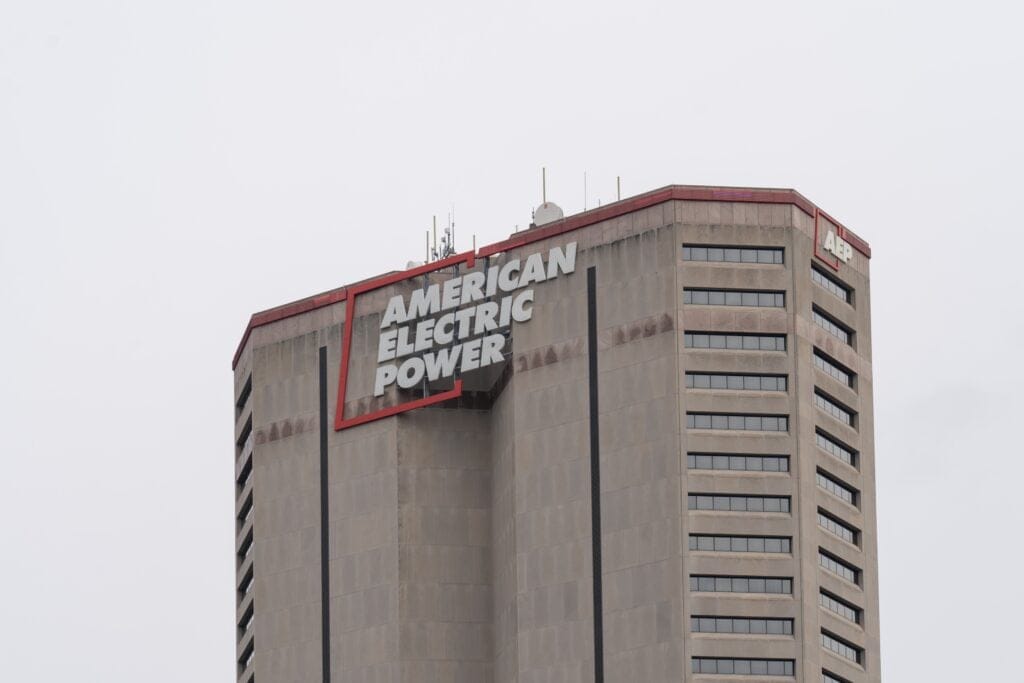
- $4 billion investment: American Electric Power (AEP) plans a 702-megawatt fuel cell facility in Wyoming to supply Google’s expanding data center operations.
- 20-year power agreement: The project will use Bloom Energy technology, with construction expected to begin in 2026 and full operations targeted for late 2028.
- Growing AI energy demand: The investment follows Google’s separate agreement with Black Hills Corp, highlighting the increasing need for dedicated electricity infrastructure.
American Electric Power (AEP) plans to invest approximately $4 billion in a major fuel cell project near Cheyenne, Wyoming, to supply electricity to Google’s expanding data center operations.
The 702-megawatt facility will operate under a 20-year power purchase agreement (PPA) with Alphabet’s Google. The investment comes as technology companies seek reliable electricity supplies to support artificial intelligence and cloud computing infrastructure.
AEP shares rose more than 3.1% in premarket trading following the announcement, reflecting investor interest in utilities benefiting from accelerating data center demand.
The project will use fuel cell technology developed by Bloom Energy, providing on-demand electricity while reducing reliance on conventional grid expansion.
AEP Expands Energy Infrastructure for Google’s Data Centers
Cheyenne Fuel Cell will develop the facility, with AEP holding approximately 92% ownership. Funds advised by Basalt Infrastructure Partners will retain the remaining stake.
Construction is scheduled to begin in 2026, with full commercial operations expected by the end of 2028.
The facility will supply Google’s growing electricity requirements in the Cheyenne area. Its 702 MW capacity provides a substantial source of dedicated generation for energy-intensive computing operations.
The 20-year PPA also establishes a long-term commercial relationship between the utility and Google. Such agreements can provide revenue visibility for infrastructure investors while helping technology companies secure future electricity supplies.
For AEP, the investment expands its exposure to the rapidly growing data center electricity market.
However, the project’s financial performance will depend on construction costs, technology reliability and the terms governing electricity delivery.
Google Secures Additional Power Through Black Hills Agreement
The AEP investment follows another major electricity agreement involving Google’s proposed Cheyenne data center.
Earlier this month, Google signed a similar arrangement with Black Hills Corp to support its regional operations.
Under that agreement, Black Hills plans to invest approximately $1.8 billion in new electricity generation capacity between 2027 and 2029.
Together, the two arrangements demonstrate the scale of infrastructure investment associated with expanding AI computing capacity.
Technology companies increasingly face constraints from limited grid capacity, lengthy infrastructure development schedules and rising electricity demand.
Dedicated generation projects offer an alternative route to securing power, particularly where traditional grid upgrades cannot match the pace of data center construction.
However, these arrangements also raise questions about energy costs, grid integration and the environmental performance of new electricity supplies.
RELATED ARTICLE: Google Backs Texas Electric Freight Route
Bloom Energy Technology Supports On-Demand Generation
AEP’s planned facility will use fuel cells developed by Bloom Energy, extending an existing commercial relationship between the companies.
In January, AEP exercised an option to purchase a substantial portion of up to 900 MW of additional Bloom fuel cells. The agreement was valued at approximately $2.65 billion.
Fuel cell systems generate electricity through electrochemical processes rather than conventional combustion. They can provide continuous power without depending on intermittent renewable electricity generation.
Their environmental performance, however, depends heavily on the fuel source and associated upstream emissions.
The announcement did not specify the proposed Wyoming facility’s fuel supply, emissions profile or renewable energy integration arrangements.
These details will be important when assessing the project’s contribution to Google’s broader climate commitments.
For corporate sustainability teams, reliable electricity procurement must increasingly balance operational resilience, affordability and emissions reduction.
AI Electricity Demand Reshapes Utility Investment Strategies
The proposed investment reflects a broader shift in electricity infrastructure planning as utilities respond to large technology customers.
Long-term PPAs can help support capital-intensive generation projects by establishing predictable demand over extended periods.
For investors, the AEP arrangement creates exposure to AI-driven electricity growth while introducing construction, operational and technology risks.
The project’s ownership structure also illustrates how infrastructure investment partnerships can support large-scale generation development.
From an ESG perspective, the central issue extends beyond securing sufficient electricity.
Technology companies must also evaluate the carbon intensity of new generation, potential grid impacts and consistency with corporate decarbonization commitments.
For utilities, meeting demand from hyperscale data centers will require substantial capital allocation and careful management of regulatory and environmental obligations.
AEP’s $4 billion project adds to a growing pipeline of dedicated electricity investments supporting AI infrastructure. Its development will provide an important test of how utilities and technology companies balance energy security, commercial returns and climate objectives as global computing demand accelerates.

The ESG News Editorial Team is comprised of veteran financial journalists and sustainability analysts dedicated to providing real-time, objective reporting on global ESG regulations, climate finance, and corporate governance. Our desk monitors daily developments from the SEC, IFRS, CSRD and international regulatory bodies to ensure our 1M+ readers receive accurate, data-driven insights into the evolving sustainable investment landscape. Follow the ESG News Editorial Team for expert reporting on global sustainability standards, ESG disclosures, and climate policy. Access over 10,000 investigative reports and real-time updates.


