

TNFD Calls on ISSB to Upgrade Nature Guidance to a Standard With Required Metrics
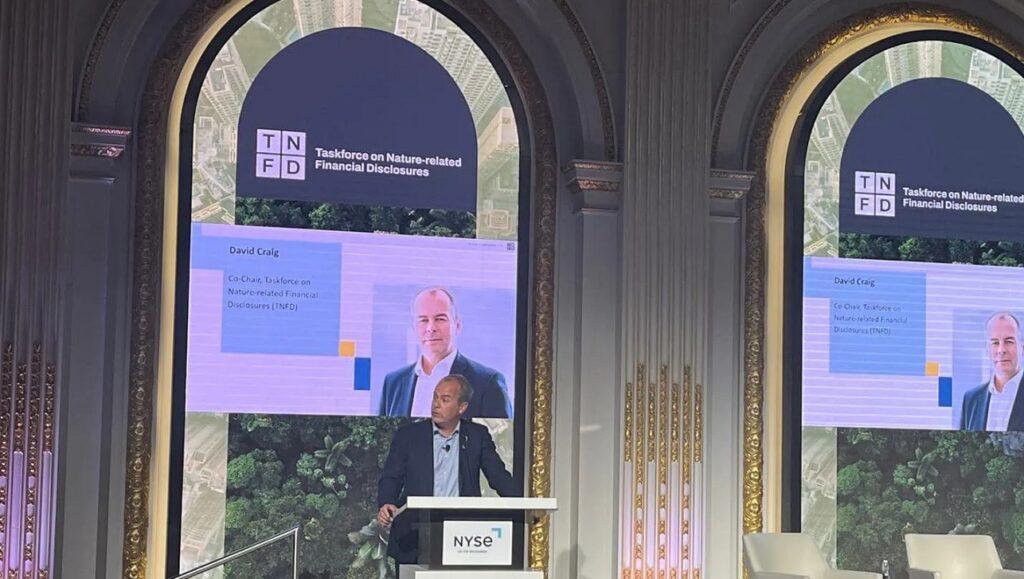
- Standard, not guidance: TNFD wants the ISSB to replace its draft nature Practice Statement with a Standard.
- Mandatory metrics: It seeks a small set of required cross-sector metrics.
- Consultation deadline: Responses are due by 19 February 2027.
The Taskforce on Nature-related Financial Disclosures (TNFD) wants the International Sustainability Standards Board (ISSB) to issue a full Standard on nature. The request leads ten recommendations in TNFD’s comment letter on the ISSB’s Exposure Draft of a nature-related disclosures Practice Statement. The draft builds on IFRS S1, which already requires disclosure of material nature-related risks and opportunities. Corporates and financial institutions have until 19 February 2027 to respond.
TNFD argues a Standard would give reporting entities a level playing field and give investors comparable information. It also wants a small set of cross-sector metrics made mandatory, as IFRS S2 does for GHG emissions. In addition, it asks for a practical timeline and milestone for an effective date. However, TNFD’s summary lists only eight of its ten recommendations.
On content, TNFD wants closer alignment with its definition of nature-related opportunities, plus the concepts of systemic risk and vulnerability. It also seeks more specific disclosure on location and on engagement with Indigenous Peoples and Local Communities. Finally, it wants its scenario analysis guidance referenced, because scenario use has been difficult on climate.
TNFD also asks the ISSB to require disclosure of any transition plans. Those plans and targets should align with the Kunming-Montreal Global Biodiversity Framework (GBF). Under its Target 15, 196 governments have committed to reporting requirements. TNFD expects ISSB standards to be a key source for governments to convert into regulation by the end of 2030.
What TNFD Backs in the Draft
TNFD welcomed the draft’s integrated approach to nature and the nature-climate nexus. Meanwhile, the draft refers to TNFD’s LEAP assessment approach and encourages use of its recommended metrics.
TNFD Adoption Since 2021
TNFD said the letter draws on its assessment and disclosure work since 2021. According to its 2026 Status Report, over 1,000 organisations from more than 50 jurisdictions make TNFD-aligned disclosures. Those organisations represent over US$26 trillion in assets under management.
Who It Affects
- Reporting entities: TNFD urges them to apply IFRS S1 to nature now, using TNFD guidance meanwhile.
- TNFD reporters: TNFD says high content alignment with the draft leaves them well placed for ISSB reporting.
- Taskforce members: The letter may not reflect their views, so they may respond separately.
RELATED ARTICLE: IFRS, TNFD Sign Agreement to Advance Nature-Related Financial Disclosures
The Stakeholders at a Glance

The ESG News Editorial Team is comprised of veteran financial journalists and sustainability analysts dedicated to providing real-time, objective reporting on global ESG regulations, climate finance, and corporate governance. Our desk monitors daily developments from the SEC, IFRS, CSRD and international regulatory bodies to ensure our 1M+ readers receive accurate, data-driven insights into the evolving sustainable investment landscape. Follow the ESG News Editorial Team for expert reporting on global sustainability standards, ESG disclosures, and climate policy. Access over 10,000 investigative reports and real-time updates.


