

CarbonFarm Raises $8.2 Million to Scale Rice Methane Reduction Technology

- $8.2 million Series A funding: CarbonFarm secures investment led by Colam Impact, with participation from Suma Capital, Proparco and other investors.
- Global agricultural decarbonisation: The company operates across 19 countries, using satellite technology to measure methane reductions and support climate finance.
- Rice methane reduction potential: Improved water management can reduce methane emissions by up to 50%, according to the International Rice Research Institute.
CarbonFarm Secures Funding to Expand Agricultural Decarbonisation
French climate technology company CarbonFarm has raised approximately $8.2 million in an oversubscribed Series A round to accelerate methane reduction across global rice production.
Colam Impact led the financing, with Suma Capital participating through its SC Climate Tech Ventures I fund. Other investors included Proparco, elea, Working Capital Fund, Albo and BPI France. Existing investors Serena and Techmind also participated.
The investment will support CarbonFarm’s expansion across Asia, Africa and Europe while accelerating its entry into Latin America. Funding will also strengthen its satellite monitoring technology and agricultural project development capabilities.
For Suma Capital, the transaction is its first investment outside Spain through SC Climate Tech Ventures I. The firm identified CarbonFarm’s proprietary technology, project execution capabilities and recurring commercial relationships as key investment factors.
Satellite Monitoring Connects Methane Reductions With Climate Finance
Rice cultivation is essential to global food security but remains a significant source of agricultural methane emissions. Flooded rice paddies create oxygen-depleted conditions that encourage methane production.
CarbonFarm addresses this challenge through digital Measurement, Reporting and Verification (MRV) technology.
Its platform combines satellite imagery, ground-level agricultural data and greenhouse gas calculation models. This enables emissions monitoring at individual plot level and verification of changes in farming practices.
One approach involves alternating periods of flooding and drying in rice paddies. According to the International Rice Research Institute, this technique can reduce methane emissions by up to 50%.
Reliable verification is central to attracting climate finance. Agricultural projects must demonstrate measurable emissions reductions to support carbon credit issuance and corporate decarbonisation claims.
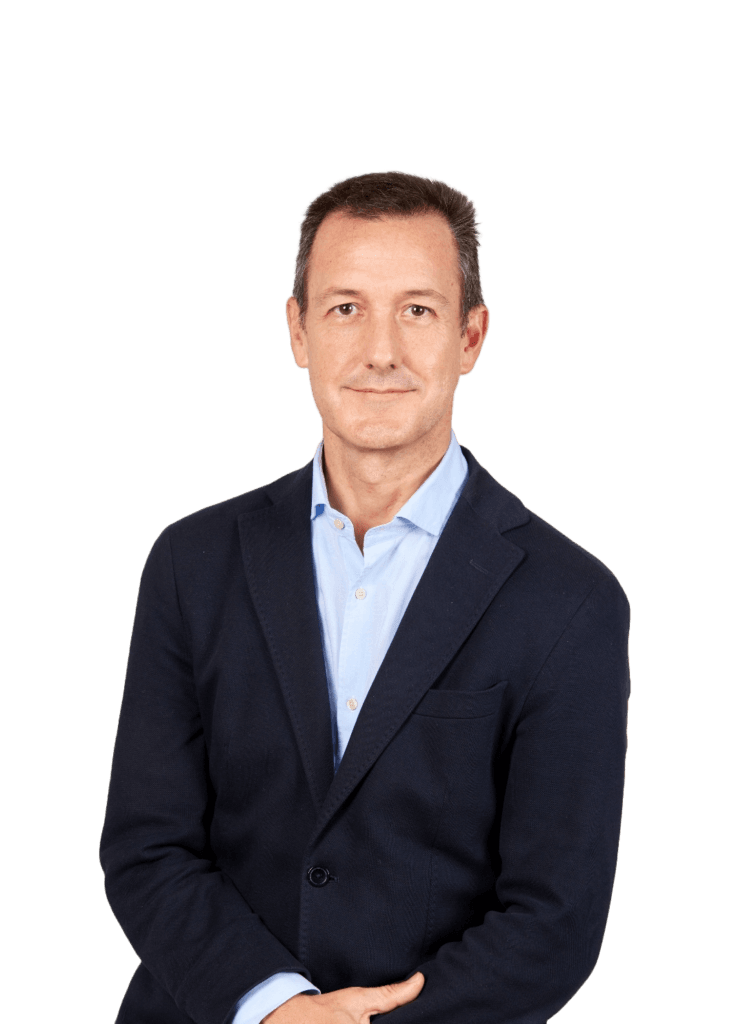
Xavier Sánchez, Partner at Suma Capital, said: “CarbonFarm tackles one of the main challenges of agricultural decarbonisation: turning changes in farming practices into impact that is measurable, verifiable and financeable. Its combination of proprietary technology, knowledge of rice cultivation and on-the-ground execution capability fits squarely with our thesis of investing in scalable climate solutions for hard-to-abate sectors. At Suma Capital, we want to support the company in this new stage, contributing our experience in growth, strategic planning and partnership development within the agri-food sector.”
Projects Across 19 Countries Target Agricultural Emissions
CarbonFarm has operated in 19 countries, collaborating with farmers, cooperatives, agricultural companies, development organisations and public authorities.
In Vietnam, the company participates in the TRVC project alongside international development organisation SNV. The initiative aims to establish 200,000 hectares of low-emission rice cultivation by 2028.
In Spain, CarbonFarm supports Ebro Group’s Oryzonte project, which encourages water-efficient rice cultivation in Seville. Similar collaborations extend to Ebro’s Tilda brand in the UK and its operations in India.
RELATED ARTICLE: EU Sets Global Standard for Methane Emissions Reductions
Its wider network includes Mars Food, Diageo, Livelihoods Funds, myclimate, the World Bank and the Asian Development Bank.
These partnerships connect agricultural emissions reductions with corporate supply chains, development finance and voluntary carbon markets.
Local Partnerships Drive Scalable Climate Investment
CarbonFarm’s expansion strategy relies on equipping established agricultural networks rather than replacing existing relationships with farming communities.
Vassily Carantino, co-founder and CEO of CarbonFarm, said: “Scale will not come from replacing local players in the value chain, but from equipping them with the tools they need. They know the farming systems and have the relationships needed to drive change. Our role is to help turn that local knowledge into programmes capable of attracting funding and delivering results that can withstand rigorous scrutiny.”

Suma Capital will support commercial introductions, access to public funding and strategic development.
For food manufacturers and investors, the technology offers a mechanism to connect agricultural practices with measurable climate outcomes.
Verified emissions data can strengthen Scope 3 reporting, inform supply chain investment and support financing decisions. However, credible methodologies and independent verification remain essential to maintaining confidence in reported reductions.
As agricultural methane attracts greater attention in global climate policy, CarbonFarm’s expansion highlights growing investment in technologies that connect emissions measurement with practical farming interventions.
For rice-producing economies, the opportunity extends beyond carbon markets. More efficient water management and access to climate finance could help farmers reduce emissions while strengthening the resilience of global food supply chains.

The ESG News Editorial Team is comprised of veteran financial journalists and sustainability analysts dedicated to providing real-time, objective reporting on global ESG regulations, climate finance, and corporate governance. Our desk monitors daily developments from the SEC, IFRS, CSRD and international regulatory bodies to ensure our 1M+ readers receive accurate, data-driven insights into the evolving sustainable investment landscape. Follow the ESG News Editorial Team for expert reporting on global sustainability standards, ESG disclosures, and climate policy. Access over 10,000 investigative reports and real-time updates.
