

Moeve, Emerita Bring Renewable Diesel to Spanish Mining in Industry First
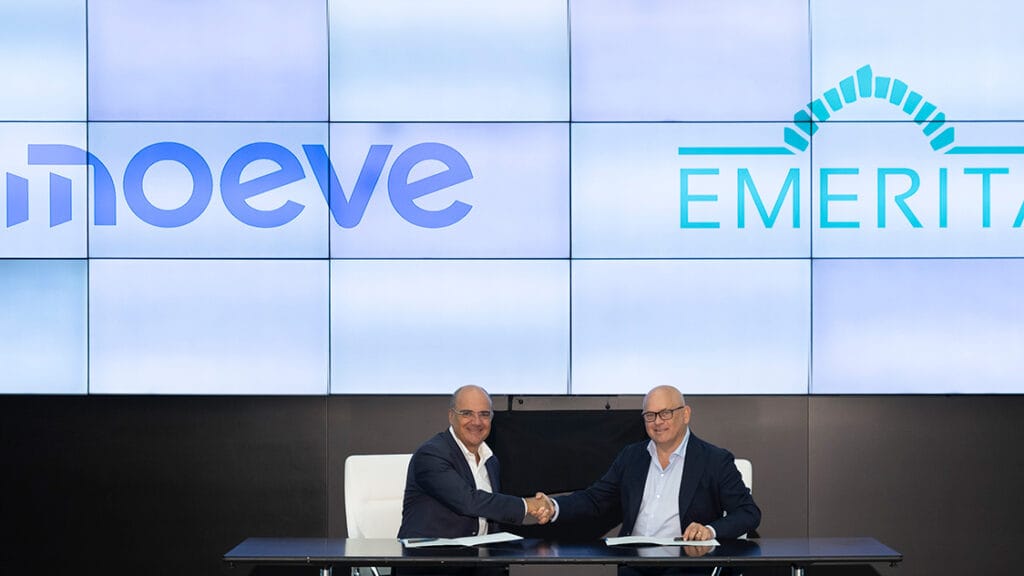
- Moeve and Emerita Resources have signed Spain’s first agreement to deploy 100% renewable diesel, or HVO, at industrial scale in the mining sector.
- The fuel is expected to cut around 2,600 metric tons of CO2 emissions annually at Emerita’s Iberian Belt West project in Huelva.
- Moeve and Apical are investing $1.36 billion in a new Huelva biofuels plant with capacity for 500,000 metric tons of HVO and sustainable aviation fuel annually.
Spain targets mining emissions with renewable diesel
Moeve and Emerita Resources are bringing renewable diesel into Spanish mining at industrial scale, targeting one of the harder areas of heavy industry to decarbonize.
Under the agreement, Moeve will become the preferred supplier of hydrotreated vegetable oil, or HVO, to Emerita’s Iberian Belt West mining project in Huelva. The companies said it is the first agreement of its kind in Spain.
The second-generation biofuel can reduce lifecycle CO2 emissions by up to 90% compared with conventional diesel. Crucially for mining operators, HVO can also be used in existing diesel engines. That allows companies to reduce emissions without immediately replacing heavy equipment or transport fleets.
Moeve produces the fuel at its Palos de la Frontera facility in Huelva.
At Iberian Belt West, it will power heavy machinery during construction and subsequent mining operations. It will also be used for heavy-duty transport of mineral concentrates.
The companies estimate the switch could avoid around 2,600 metric tons of CO2 emissions each year. They compare that reduction with the annual carbon absorption of approximately 170,000 trees.
An immediate option for hard-to-electrify operations
Mining faces a difficult decarbonization challenge because its operations depend heavily on energy-intensive machinery and long-distance transport. Electrification can reduce emissions in some applications, but technical and infrastructure constraints remain for heavy equipment.
Renewable diesel offers operators an alternative that can be deployed using existing engines and distribution infrastructure.
“Accelerating the decarbonization of heavy industry is one of Moeve’s key strategic priorities, and to achieve this, we need forward-thinking partners. The agreement reached with Emerita demonstrates that the energy transition can go hand in hand with competitiveness by leveraging 2G biofuels as an immediate solution for the decarbonization of sectors that are difficult to electrify.” Carlos Barrasa, executive vice president of Commercial & Clean Energies at Moeve.

RELATED ARTICLE: Moeve Starts $1.2 Billion Green Hydrogen Project
Emerita CEO Joaquin Merino said the agreement is “fully aligned with Emerita’s environmental DNA.” He added that the Huelva development “is the ideal partner for this Moeve project as an example of sustainable mining.”
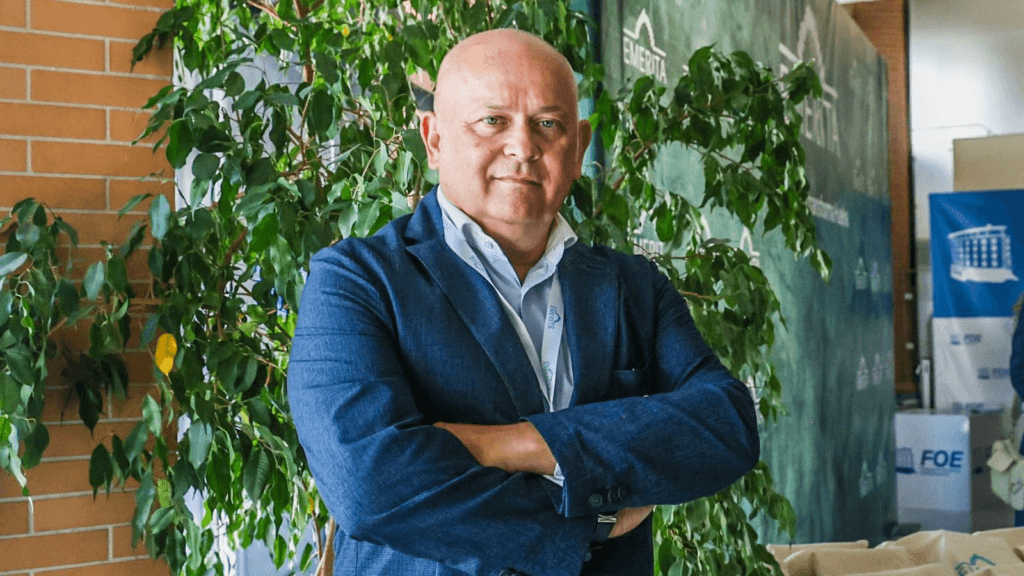
For mining executives, the project offers a practical case study in reducing operational emissions without waiting for full fleet electrification. It also places greater attention on lifecycle emissions, fuel sourcing and the availability of lower-carbon alternatives within industrial supply chains.
Huelva builds a local low-carbon industrial ecosystem
The partnership also has a regional industrial dimension. Renewable fuel production, mining operations and mineral export infrastructure are all located within Huelva.
That proximity could reduce logistical complexity while creating a more integrated value chain between energy production, resource extraction and exports.
Moeve is expanding that local supply base further. Together with partner Apical, the company is developing a new second-generation biofuels plant in Huelva.
The project carries a cumulative investment of $1.36 billion and is expected to provide flexible annual production capacity of 500,000 metric tons of HVO and sustainable aviation fuel.
Once operational, the facility will form part of what Moeve describes as the largest second-generation biofuels complex in southern Europe. It supports the company’s ambition to reach 2.5 million metric tons of annual biofuel production capacity by 2030 and lead the Iberian market.
For investors and industrial operators, the Huelva model illustrates how decarbonization investment can increasingly intersect with regional industrial strategy. Local fuel production can support mining and transport operations while reducing dependence on conventional fossil diesel.
The broader significance extends beyond Spain. Mining remains central to supplying minerals required for infrastructure and the energy transition itself. Reducing the operational footprint of extraction will therefore remain a key ESG challenge as demand for those materials grows.
Huelva’s emerging cluster provides one approach: combine local renewable fuel production with heavy industrial demand and existing export infrastructure. If the model proves commercially competitive at scale, it could offer a pathway for other mining regions where electrification remains technically or economically difficult.

The ESG News Editorial Team is comprised of veteran financial journalists and sustainability analysts dedicated to providing real-time, objective reporting on global ESG regulations, climate finance, and corporate governance. Our desk monitors daily developments from the SEC, IFRS, CSRD and international regulatory bodies to ensure our 1M+ readers receive accurate, data-driven insights into the evolving sustainable investment landscape. Follow the ESG News Editorial Team for expert reporting on global sustainability standards, ESG disclosures, and climate policy. Access over 10,000 investigative reports and real-time updates.
